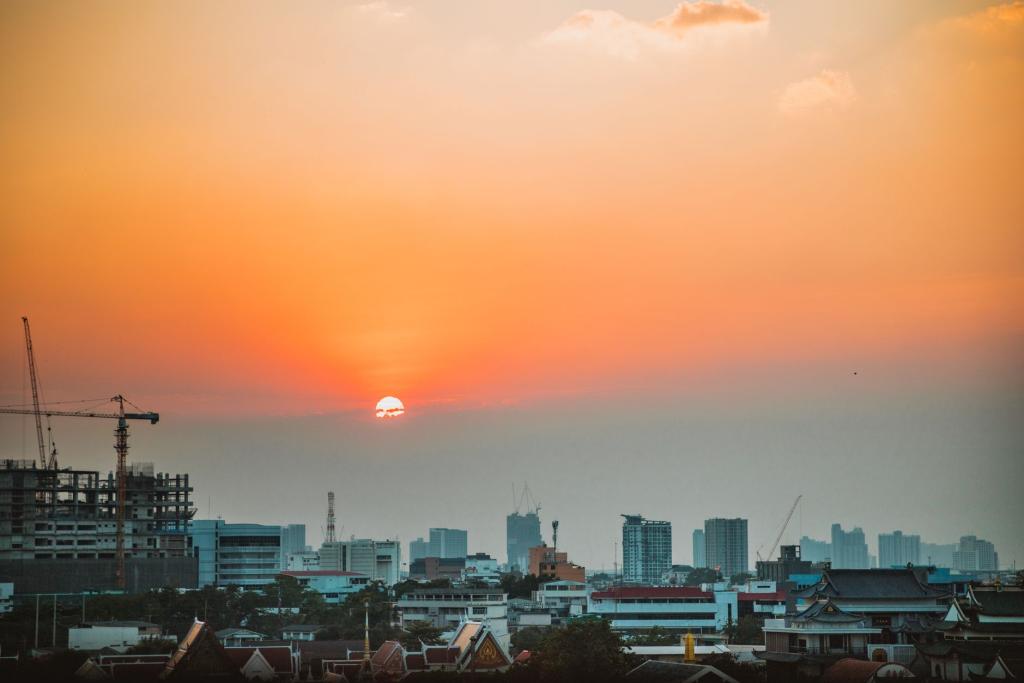
Wildfire Haze from Indonesia's worst fire season in more than a decade is choking Southeast Asia, and this week the smoke reached a new peak. Pollution readings in Singapore hit their highest level of the year on Wednesday, East Timor shut its schools nationwide for three days, and several Malaysian states closed classrooms as thick haze drifted across the region.
Singapore's one-hour reading of PM2.5, the tiny particles small enough to slip into lungs and the bloodstream, reached two hundred eighty-four micrograms per cubic metre in the western part of the island, according to Reuters. That pushed the reading into the National Environment Agency's "very high" band for the first time during the current haze episode. For comparison, the World Health Organization recommends average annual exposure of just five micrograms. East Timor's government said it was suspending face-to-face learning from October 15 through 17 "due to contamination by pollutant particles from wildfires in neighbouring regions or countries," and urged families to keep children indoors and to use respiratory protection outside.
Indonesia is battling its most intense wildfire season in eleven years, fueled by dry conditions linked to a powerful El Niño cycle. The blazes have burned through hundreds of thousands of hectares of forest and plantation land on Borneo and Sumatra, sickened local residents, and sent smoke across national borders. In Central Kalimantan, the local air pollution index topped twelve hundred on Wednesday, four times the level officially classed as hazardous, according to environment ministry data reported by Reuters. Local footage showed thick yellow haze blanketing the city of Palangka Raya, cutting visibility for motorists to a minimum, while police officers hosed down peatland fires burning at the roadside.
A crisis eleven years in the making
The last time the region choked this badly was October 2015, when Indonesian fires pushed Singapore's PM2.5 readings to a national record of four hundred seventy-one micrograms per cubic metre, as reported by The News. That crisis cloaked Southeast Asia in toxic smoke for weeks, and it is the reason Singapore rolled out medical subsidies for haze-related treatment this week, a measure last activated during that 2015 episode. The pattern is familiar, but this year's fires are the worst since, and the smoke has now reached as far as the Philippines. Earlier in October, Singapore was briefly ranked the world's most polluted city by air-quality monitor IQAir, ahead of Kuala Lumpur, according to a report from Tempo.
Experts point to two forces behind the flames. The El Niño drought dried out peatlands and forests that would normally resist burning, and slash-and-burn land-clearing practices have converted naturally fire-resistant landscapes on Sumatra and Borneo into fuel. Peat fires are especially stubborn: they smolder underground for weeks and release far more smoke per hectare than surface fires. The result is a transboundary haze that no single country can switch off, because the smoke follows the wind, not the borders.
Who is affected, and what happens next
The human cost is spreading. Respiratory illnesses have spiked in the Indonesian provinces closest to the fires. In Malaysia, authorities closed nearly two hundred schools, kindergartens, and childcare centers in parts of Johor after air quality deteriorated. East Timor, which shares an island with Indonesia's East Nusa Tenggara province, shut schools nationwide rather than wait for the haze to thicken. Singapore's environment agency has forecast dry conditions across much of southern Southeast Asia over the coming days, warning that the weather could keep the risk of fires and cross-border haze elevated.
For people living under the haze, the official advice is consistent: stay indoors when the air looks and smells smoky, wear a proper mask outside, and seek medical help early if breathing becomes difficult. Children, older adults, and anyone with asthma or heart conditions are the most vulnerable. Singapore's subsidized haze-related medical treatment is aimed squarely at making sure cost does not stop people from getting checked.
The bigger question is what breaks the cycle. Wildfire Haze seasons like this one always end the same way: with the rains. Until the wet season arrives, Indonesia's firefighting effort, regional cooperation on hot-spot monitoring, and longer-term pressure on land-clearing practices are the only levers available. Each severe season also renews the same debate about whether the region's early-warning and enforcement systems are keeping up with a climate that keeps making dry years drier. For now, millions of people are simply waiting for the wind to change. Readers following environmental health stories may also want to see how microplastics in water are creating harmful molecules, how Egypt's hepatitis C elimination beat the rich world, and how Colombia's new embassy signals a diplomatic reset.
Comments 0
No comments yet. Be the first to share your thoughts!
Leave a comment
Share your thoughts. Your email will not be published.