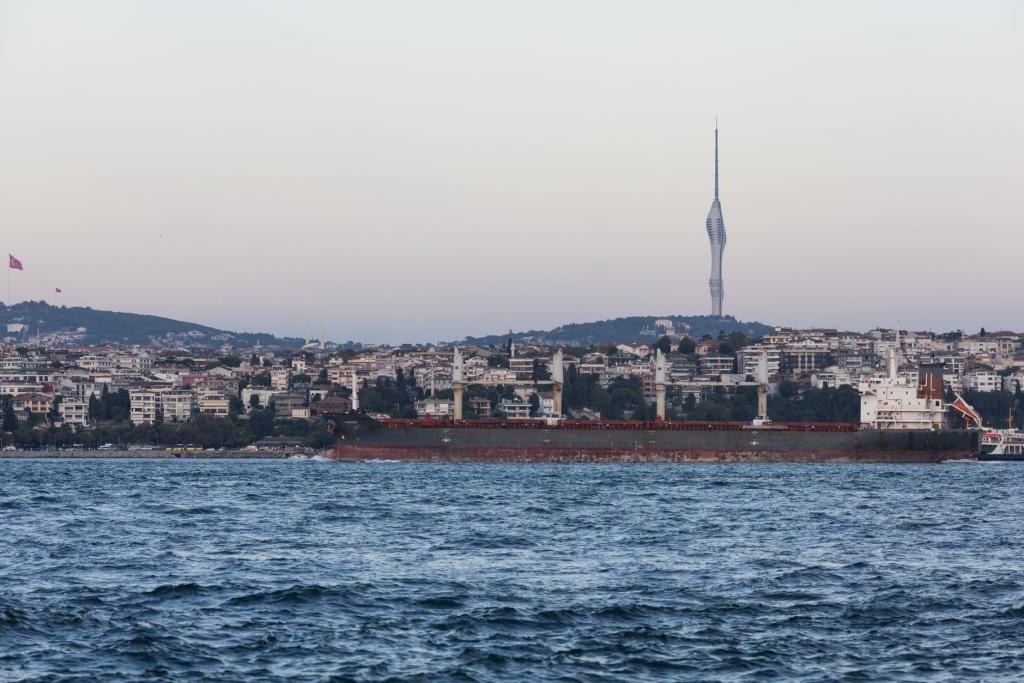
Hormuz Ship Attacks are redrawing the map of global energy this week. Two vessels have sunk near the strait after being struck by projectiles, about two dozen ships have been hit since the start of the month, and crude prices have climbed back to levels that sting at the pump. Iranian officials told Reuters they are using new tactics against ships in the waterway, and openly linked the pressure campaign to keeping oil prices high ahead of the United States midterm elections.
If you drive, fly, or buy groceries, this story is already sitting in your budget. Roughly one-fifth of the world's seaborne oil moves through this narrow lane between Iran and Oman, so every strike adds a risk premium that works its way into gasoline, diesel, airfares, and the cost of shipping everything else. Brent crude has traded near one hundred and four dollars a barrel this week while the American benchmark sat around ninety-four, according to market reports.
Washington has responded by expanding air cover over the waterway and pushing more vessels through to steady energy prices, while officials have discussed loosening restrictions on so-called shadow-fleet tankers to cut record freight rates. None of it has stopped the attacks, and insurers are repricing the risk of every single crossing.
Two Weeks of Strikes, and the Count Keeps Rising
The current wave began around the start of October. In the first two weeks of the month, roughly two dozen vessels were struck in or near the strait, the most intense pace since the war involving Iran began in late February. On Tuesday of this week, the container ship GFS Pride was hit and caught fire before its crew was safely evacuated. A second vessel, attacked days earlier, sank on Wednesday. On Friday, India's shipping minister confirmed the crude tanker Mt St 3, carrying fifteen Indian seafarers, was struck by a projectile.
The real total may be far higher than the official count. The United Kingdom Maritime Trade Operations says most vessels it believes were struck are refusing to file incident reports, and analysts estimate the true number of attacks since the start of October sits between sixty and one hundred, against roughly thirty confirmed cases. Ships are going quiet because reporting a strike can mean higher insurance bills and longer delays, according to maritime trade reporting.
Iranian officials told Reuters the country started using different offensive tactics about ten days ago against vessels it considers in violation of its restrictions. One official said Tehran wants to keep oil prices elevated and influence the American midterm elections. The candor startled energy watchers. Iran "is well aware of its geographical importance and the havoc higher oil prices can inflict on the global economy," said Priyanka Sachdeva of Phillip Nova, in comments carried by Reuters, as reported in coverage of the October 14 strikes. Her point: this is leverage, exercised in the open.
Why It Reaches Beyond the Pump
Fuel is only the first ripple. Before the war, the strait handled roughly a third of globally traded urea and nearly half of seaborne sulphur, both key ingredients in fertilizer. Shipments from the Gulf remain largely halted, and UN Under Secretary General Jorge Moreira da Silva warned that failure to agree on a plan to move fertilizer through the waterway within weeks could trigger a food security crisis in parts of Asia and Africa ahead of planting season, according to a daily global briefing.
The pressure is spreading to a second front. Houthi forces claimed fresh strikes on Saudi energy facilities and an airport near Riyadh this week, adding new targets to the shipping crisis. But oil markets are not moving in a straight line: benchmarks pulled back on Thursday as traders weighed rising shipping risks against fresh supply data, including higher Russian output and a jump in Gulf exports reported by the International Energy Agency. The United States has even authorized temporary use of Russian diesel through the spring of 2027 to ease shortages, a sign of how far policymakers will go to keep fuel flowing.
The Hormuz Ship Attacks have already made this the most intense month for commercial shipping in the region since the war began. What happens next depends on whether the strikes keep escalating through the midterms and whether insurers and shippers decide the lane is worth the risk. For now, expect volatility every time another hull is hit. If you want the market side of the story, see how costly oil is already rattling crypto markets; for the political stakes, new midterm polls show how tight the election backdrop is; and for the longer energy picture, American oil and gas output keeps growing even as emissions flatline.
Comments 0
No comments yet. Be the first to share your thoughts!
Leave a comment
Share your thoughts. Your email will not be published.