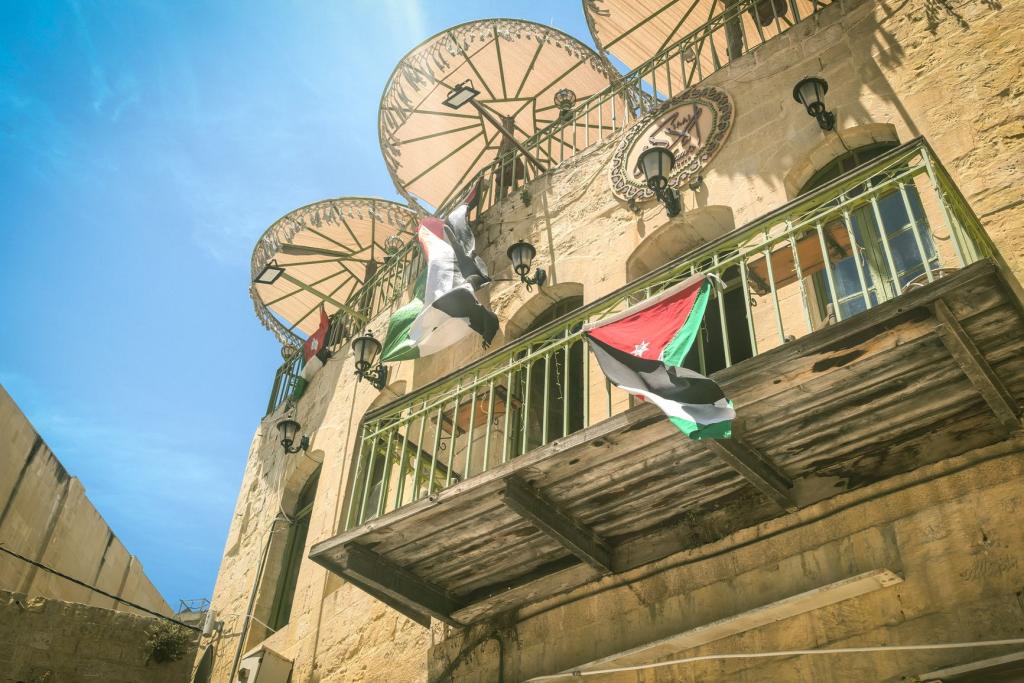
Colombia Embassy in Jerusalem is now a reality. On Wednesday, the South American nation opened an embassy in the contested city and restored a free-trade agreement with Israel, becoming the tenth country to place its mission there, according to Reuters. The twin announcements mark the fastest foreign-policy reversal in Colombia's recent history, undoing in two months a rupture that began with a dramatic diplomatic break two years ago.
At the ribbon-cutting, Colombia's foreign minister, Omar Bula Escobar, called Israel a strategic partner and said the relationship should never have been broken, according to Reuters. Israel's foreign minister, Gideon Saar, told the gathering that "opening an embassy in Jerusalem is not only recognition of the simple political fact that Jerusalem is Israel's capital." The two ministers then opened bilateral talks covering political dialogue, security and defence cooperation, trade and investment.
Most governments keep their embassies in Tel Aviv, treating the city's final status as a matter for negotiation. Israel claims the whole city as its capital, while Palestinians claim its eastern half for a future state, and that dispute has turned every embassy relocation into a political statement. Since the United States moved its mission in 2018, a small club of countries has followed, including Guatemala, Honduras, Paraguay and Somaliland. Colombia now joins that club, and its arrival will be read across the region as a signal that Latin America's diplomatic pendulum is swinging again.
Two Years of Rupture, Two Months of Repair
The rupture began in May 2024, when then-president Gustavo Petro severed diplomatic relations over Israel's conduct in Gaza, shut the embassy in Israel's commercial capital and recalled his ambassador. Israel called the move antisemitic and a reward for militants. Petro's government also halted coal shipments to Israel, a lever that mattered because Colombian coal had fuelled a large share of Israeli power generation. The relationship stayed frozen until August, when right-winger Abelardo de la Espriella took office. Within weeks, the new administration reinstated the free-trade deal the former president had terminated and opened the new Jerusalem mission the following day, completing a turnaround that Israel's foreign minister said had reversed most of the previous government's damage "in just two months."
The ties run deeper than the last two years of drama. The two countries established diplomatic relations in the late nineteen-fifties and signed their first free-trade pact in 2020, covering everything from Colombian coffee and flowers to Israeli electrical equipment and fertiliser. Before the coal cutoff, fuel shipments alone were worth more than three hundred million dollars a year, accounting for over half of all the coal Israel imported, as reported by Hiplatina citing Colombia's national statistics office. their blooms already fly to markets worldwide — stand to regain the tariff advantages they lost when Petro scrapped the deal.
What It Means Beyond the Ribbon-Cutting
For traders, the restored pact reopens tariff preferences in both directions: Colombian exporters regain easier access to the Israeli market, and Israeli firms regain a foothold in one of South America's largest economies. Latin America has seen its share of rapid policy swings this year, from Brazil's newly passed shorter workweek to the fallout from conflicts still dominating the world news cycle, like the market strike in Kharkiv that killed two people this week.
Not everyone is applauding. Supporters of the former president's stance argue the 2024 break was a moral stand over Gaza, and Palestinian advocates note that each Jerusalem embassy move prejudges a status both sides once agreed to negotiate. Critics of the new administration at home see the reversal as part of a broader rightward pivot since August. For now, the government is betting that trade and security ties outweigh the controversy, and that voters will reward a president who treats diplomacy as a reset button.
Whether the thaw holds will depend on the bilateral agenda now taking shape: defence cooperation, trade growth and new investment, according to the joint statements from Wednesday's talks. Colombia Embassy in Jerusalem may be a small building with an outsized message — that in this region's diplomacy, the pendulum swings fast, and this time it swung back.
Comments 0
No comments yet. Be the first to share your thoughts!
Leave a comment
Share your thoughts. Your email will not be published.