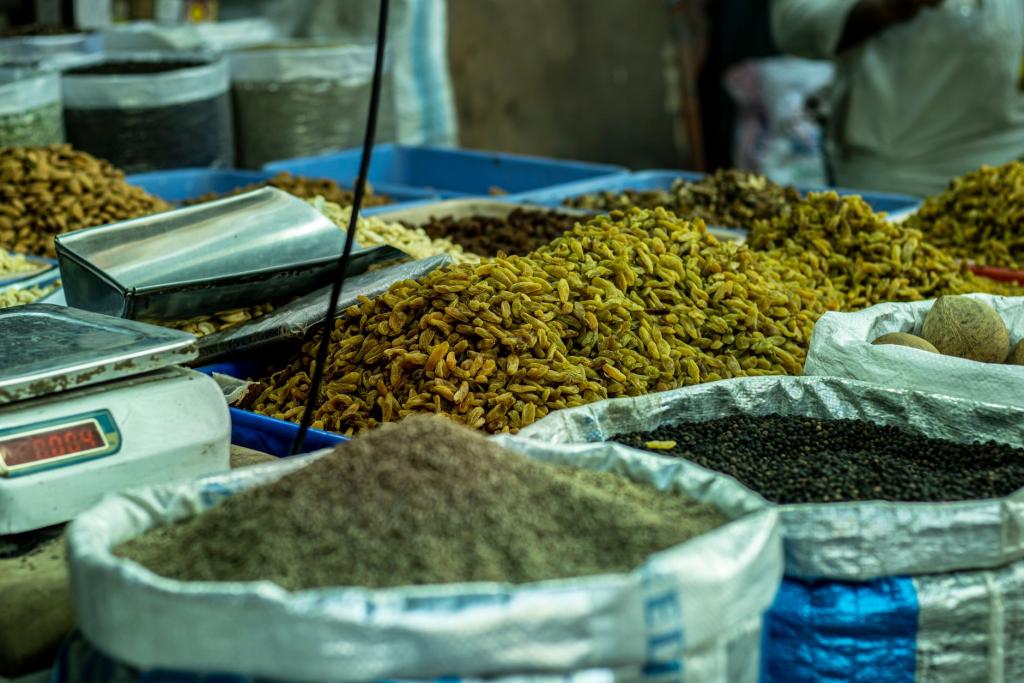
Maharashtra Bans Loose Spices, and your masala dabba may never look the same. In October 2026, the state's food safety regulator banned the sale of unpackaged spice powders and blended mixes across Maharashtra, ordering every powder to be sealed at the factory before it reaches a shelf, according to IANS reporting carried by the Free Press. The order also tightens labelling, licensing and hygiene rules across the entire spice supply chain.
The ban covers turmeric, chilli, coriander, cumin, black pepper, cinnamon, cardamom, cloves, asafoetida, saffron, poppy seeds, garam masala and other blends. It binds manufacturers, wholesalers, retailers, e-commerce sellers, hotels, restaurants, caterers and institutional kitchens — in effect, everyone who moves spices through India's second-most-populous state. No more scoops from open sacks at the neighbourhood shop; no more unmarked packets changing hands behind the counter.
Sealed packs must now carry the product name, the full ingredient list, manufacturer details, a national food-safety licence number, a batch number, the packing date and a best-before date. Businesses can no longer make unproven claims about purity, organic status or health benefits, and a mere trade licence no longer qualifies anyone to grind or manufacture spices. Only a licence from the national food regulator counts now, closing a loophole that let informal mills operate with little oversight.
The Rot the Ban Is Aimed At
The crackdown targets a supply chain with a documented contamination problem. In one inspection drive at a major spice market in Gayaji, Bihar, food safety officials found that two in five turmeric samples carried lead above the legal limit, according to Patna Press. The culprit is often lead chromate, a yellow pigment added to make turmeric look brighter; researchers have measured concentrations running into the thousands of micrograms per gram in the worst samples, dwarfing the national ceiling of ten micrograms per gram set by the food safety authority.
Lead is a particular threat to children. The World Health Organization estimates it drives hundreds of thousands of new cases of intellectual impairment in young children every year, and researchers have warned that contaminated turmeric in parts of Bihar could shave several IQ points off exposed children's development. Packaged and branded turmeric, by contrast, has tested cleaner in multiple studies — which is exactly the logic behind the ban. Loose powder is hard to trace, and untraceable powder is easy to spike.
The order goes further than packaging. It bans artificial colours including Metanil Yellow, Rhodamine B and Sudan dyes, filler like sawdust, so-called "spent" spices stripped of their essential oils, and ethylene oxide — a sterilising gas whose residues triggered international recalls of exported Indian spice batches in recent years, according to FoodManifest. Spices can no longer be dried on public roads, tarred surfaces or near drains, garbage dumps and cattle sheds, and storage rooms must be kept clear of chemicals, dyes and pesticides. The directive also outlaws the old trick of selling extracted, flavourless spice as the real thing, and it puts e-commerce platforms on the hook alongside brick-and-mortar sellers, so the rules follow the product from the mill to the doorstep.
The Other Side of the Seal
Not everyone is cheering. Small retailers and neighbourhood grinders warn that sealed-only sales and formal licensing could squeeze the tiny kirana shops and street-side mills that have sold loose spices for generations, pushing costs onto the poorest shoppers. The regulator's answer is that traceability protects those same shoppers most, and that enforcement will include licence suspensions and jail time under the 2006 food safety law for violators. Enforcement teams have already started acting, with Latestly reporting licence suspensions against a Mumbai sweets maker and a quick-commerce dark store in the same crackdown. Whether the crackdown lands on big adulterators or small vendors will decide how it is remembered.
For shoppers, the practical takeaway is simple: look for the seal, the licence number and the best-before date, and be suspicious of suspiciously bright yellow turmeric. Scrutiny of what's actually in our food keeps growing, from studies on how soda may be shaping young brains to how hard ultraprocessed foods are to spot on a label and microplastics turning up in drinking water. Maharashtra Bans Loose Spices will be judged on enforcement — regulators have announced big crackdowns before — but this time the target is the exact channel where the worst contamination keeps being found.
Comments 0
No comments yet. Be the first to share your thoughts!
Leave a comment
Share your thoughts. Your email will not be published.