A Baja coast rescue unfolded in the dark hours of Friday morning, when the U.S. Coast Guard pulled sixteen people out of the cold Pacific after a boat went down far offshore. Eleven more are believed to be missing, and the search is still running.
What happened in the water
The trouble began at about one in the morning, when someone on board sent a mayday call saying the vessel was sinking, according to CBC News. The boat was roughly one hundred forty miles west of Ensenada, a coastal city in Mexico's Baja California state.
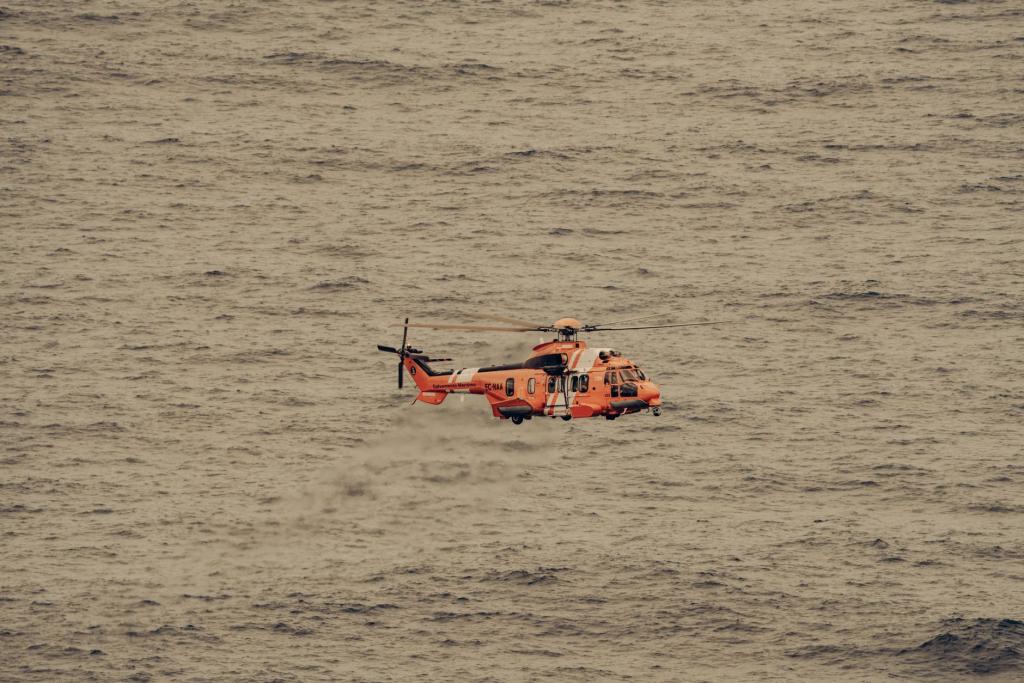
A rescue helicopter reached the site about two hours after the call, Coast Guard Lieutenant Santiago Tamburini said. By then, people were in real trouble. In his words, they were holding onto each other and to debris, treading water and trying to stay up before being pulled out.
It took about ninety minutes for the crew, which included a rescue swimmer, to lift all sixteen survivors from the water, according to the same CBC report. No intact vessel was found, only debris, and the Coast Guard in San Diego said it was unclear what kind of boat it was.
Sixteen saved, eleven still missing
One survivor told crews that as many as twenty-seven people had been on the boat, officials said. That is how the missing count of eleven was reached. Some of the people rescued, but not all, were wearing life vests.
The survivors were flown by helicopter to San Diego and taken to hospitals, according to Al Jazeera. Scripps Mercy Hospital said it was treating two men and a woman, one with a suspected shark bite and others with cold exposure, as reported by NBC San Diego. Authorities said two people were in critical condition.
Two of the people rescued were Mexican nationals, the Coast Guard said, according to Xinhua. The Mexican consulate in San Diego offered consular help.
The search keeps going
This Baja coast rescue is still an active search. Xinhua reports the Coast Guard sent crews from its air stations in Ventura and elsewhere, plus the cutter Active, while the Navy's USS Kingsville and a Navy helicopter joined in. Al Jazeera adds that two helicopters, a fixed-wing plane, a cutter and a Navy combat ship are combing the area, and the Mexican Navy in Ensenada is also involved.
Hours matter a lot in open water. Even in a mild climate, the Pacific off Baja is cold enough to cause hypothermia, which is why cold exposure showed up among the injuries. Officials have not said how long the missing could survive.
A busy and dangerous stretch of ocean
The area is known for more than one kind of traffic. It is frequented by smugglers moving migrants toward the United States, but it is also popular with fishing and leisure boats, the AP reported. The Coast Guard has not said which kind of trip this was, and nothing about the passengers' purpose has been confirmed.
That uncertainty is worth holding onto. Early details in a disaster like this often shift, including head counts, the type of vessel and where it started. For now, the firm facts are the mayday call, the sixteen rescued, the debris field and the eleven still unaccounted for.
Why the details are still fuzzy
Search and rescue work moves faster than official statements. According to the Associated Press, the Coast Guard has stressed that the number of people aboard comes from a survivor, not a manifest. That means the missing count could change in either direction as crews talk with those in hospital.
The distance also shapes everything. At one hundred forty miles out, the site is far beyond the reach of small coastal patrol boats, so the response relied on helicopters, a cutter and a Navy warship. Each piece of that response had to travel a long way in the dark, which is why the first helicopter took about two hours to arrive after the mayday call.
Survivors who were found treading water together for hours is a striking detail. Staying close, sharing debris and keeping calm are exactly what safety experts advise when a boat goes down, and it likely helped keep sixteen people alive until help came.
What to watch next
Expect updates from the Coast Guard's San Diego sector on whether more survivors are found and on the condition of those in hospital. Investigators will also want to know where the boat departed from and why it sank. Follow our world coverage for more as it develops.
For many readers, the human scale is the hardest part: dozens of people, one overloaded boat, and a rescue crew racing the clock in the middle of the night. This Baja coast rescue saved sixteen lives, and everyone is now hoping the search can add to that number.
Comments 0
No comments yet. Be the first to share your thoughts!
Leave a comment
Share your thoughts. Your email will not be published.