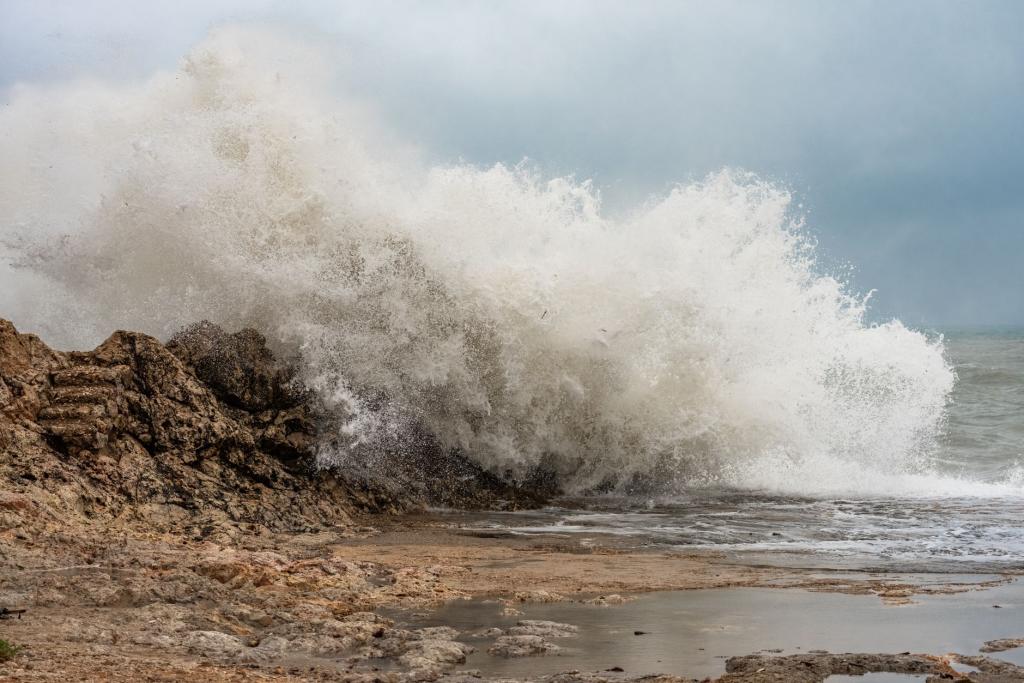
The El Nino hurricane record just fell in the eastern Pacific, and the storms are still coming. According to AP News, a run of monster hurricanes has broken the mark for long-lasting, powerful storms east of the international date line, turbocharged by what scientists call a supersized El Nino.
If you have felt like this year's weather headlines keep topping each other, you are not imagining it. Here is what the record means and why a warm patch of ocean is behind it.
How the Record Was Measured
Meteorologists judge a hurricane season with a number called accumulated cyclone energy, or ACE. As AP News explains, it blends a storm's wind speed with how long it lasts. A short, weak storm adds little, while a fierce one that hangs around adds a lot.
On Sunday, the section of the Pacific east of the date line passed the old ACE mark set in twenty eighteen. That is the area that brews storms headed for Hawaii, Mexico and the US West Coast. The report adds that the basin is still going strong with Hurricane Simon, so the total could keep climbing.
The Storms Hitting Mexico
The numbers are not just abstract. AFP headlines from Monday night report five people dead as Hurricane Simon and Rachel pummel Mexico's Pacific coast, and an earlier AFP item put the death toll from Tropical Storm Rachel at four. Those are early tallies and may change as local authorities finish their counts.
For anyone along that coastline, the record is a lived experience: heavy rain, rough surf and storms that keep forming one after another. The reporting does not suggest the season is finished, which is why forecasters are still watching the Pacific closely.
Why El Nino Is the Culprit
El Nino is a natural warming of the tropical Pacific that shifts weather patterns around the planet. In the eastern Pacific, warmer water and calmer upper-level winds tend to help hurricanes grow stronger and last longer. That is the basic recipe behind this year's activity.
This one is no ordinary event. According to Climate.us, which summarizes the latest NOAA outlook, forecasters have put the odds of El Nino at one hundred percent and see high chances of a historic event that would exceed the strength of previous ones. Global forecasters have warned for months that it would likely become the strongest ever observed, according to AFP.
A Hotter Year Could Be Next
The AFP reported Monday that the intensifying El Nino set an all-time temperature high in a key Pacific zone in September. The director of the EU's climate monitor said it could help make this year the hottest year globally on record. The record fell even before the episode's expected peak later this year.
The ripple effects are spreading beyond hurricanes. AFP also reported that Argentina briefly closed Iguazu Falls to tourists over El Nino, and runs a weekly watch of its impacts around the world. When one ocean pattern touches waterfalls in South America and storms off Mexico in the same week, it shows how connected the climate really is.
What It Means for You
Most of us will not feel a Pacific hurricane directly, but the knock-on effects can reach food prices, travel plans and the global temperature numbers you see in the news. Hotter years also tend to fuel more intense heat waves and floods, which hit young people who will live with the long-term trend the hardest.
The takeaway is simple. This El Nino hurricane record is a data point in a bigger story about a planet running warmer, and it is likely not the last one we will see before the event peaks. For more on the stories shaping our planet, check our climate emergency coverage.
Scientists have long warned that a warming world loads the dice for extremes. A strong El Nino layered on top of long-term warming is the kind of combination that tends to push records, whether in ocean temperatures, storm energy or rainfall totals. That is why researchers are tracking each new milestone so carefully, and why the next few weeks of data matter.
Keep an eye on official forecasts if you live or travel in the region, and expect more records to be tested as the warming continues.
Comments 0
No comments yet. Be the first to share your thoughts!
Leave a comment
Share your thoughts. Your email will not be published.