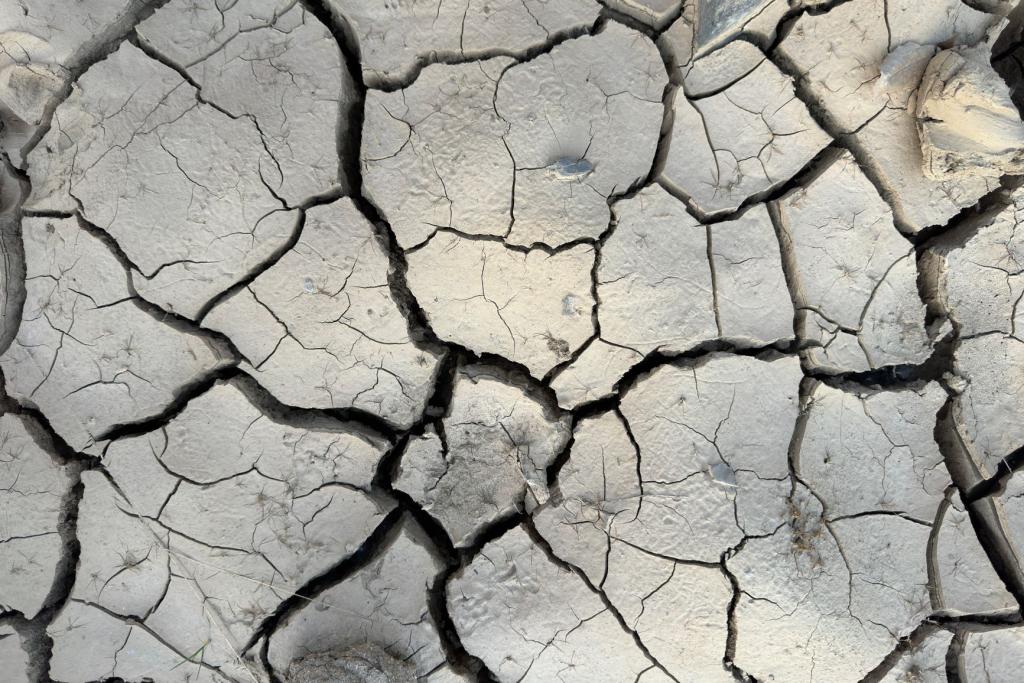
Climate Fingerprints are the distinctive patterns of warming and cooling across the atmosphere, oceans and rainfall that reveal whether humans or nature are driving climate change — and a major review published in the journal Earth's Future on October 12, 2026 concludes that more than three decades of Climate Fingerprints research has produced overwhelming evidence that greenhouse gas emissions are reshaping the climate system, according to the University of East Anglia.
Climate Fingerprints: A Three-Decade Timeline
The hunt for Climate Fingerprints began long before the phrase entered public debate. In 1995, the Intergovernmental Panel on Climate Change concluded that "the balance of evidence suggests a discernible human influence on global climate," a landmark judgment that early research by Professor Benjamin Santer helped make possible. The idea was simple but powerful: different causes of climate change leave different marks, and by comparing observed patterns with model predictions, scientists could separate the human signal from the noise of natural variability.
The next milestone came with the landmark 2009 ruling by the US Environmental Protection Agency — the Endangerment Finding — the legal determination that greenhouse gas emissions endanger public health and welfare. The review's authors argue that the scientific case behind that ruling was already compelling in 2009 and has grown markedly stronger since. Global warming itself has accelerated the argument: the years since 2009 included the ten warmest in the instrumental surface temperature record, boosting the human signal above the background noise.
One classic example of Climate Fingerprints at work is the vertical structure of the atmosphere. Greenhouse gases trap heat in the lower atmosphere, warming it, while the upper atmosphere cools — the exact pattern that warming from the sun alone would not produce. Ocean temperatures, rainfall patterns and the timing of seasonal changes carry matching marks, so that independently monitored parts of the planet tell the same story in physically consistent ways. As reported by Phys.org, the new review finds that fingerprinting techniques have advanced so far that human influence can now be detected from the top of the stratosphere to the depths of the world's oceans, and is "increasingly affecting the ability of societies and ecosystems to thrive."
Climate Fingerprints and the Fight Over US Emissions Rules
The review arrives as a direct rebuttal to a July 2025 report from the US Department of Energy, which questioned the credibility of climate fingerprinting and the science behind the EPA's 2009 ruling. Santer's team describes the energy department's assessment as "deeply flawed," arguing that it ignores both the weight of evidence available in 2009 and seventeen years of subsequent advances. Professor Susan Solomon of MIT added that many rigorous studies by multiple research groups worldwide have increased confidence in "the reality and seriousness of human-caused climate change."
The scientific dispute carries major regulatory stakes. The push to revoke the Endangerment Finding has prompted concern about impacts on human health and on efforts to cut greenhouse gas emissions, and rescinding it could open the door to weakening other US environmental rules as well. The review argues that the climate science published since the 2009 ruling is "stronger than in 2009," with Santer stating that "the evidence is incontrovertible."
The review, titled "Fingerprint Evidence for Human Effects on Climate: Advances after the 2009 Endangerment Finding," unites Santer with co-authors from MIT, Colorado State University and the University of Edinburgh — researchers who have spent careers refining the statistical methods that pick out human signals from the noise of natural variability. Its publication in a peer-reviewed journal marks an unusual moment: a full scientific literature review deployed as a point-by-point defense of the field itself.
What Climate Fingerprints Mean for You
Beyond the policy fight, the authors stress why Climate Fingerprints matter for everyday life: attribution science "connects the dots between fossil fuel burning and harms to our personal health, to the health of our planet, and to the health of our societies and economies." Holding warming near 1.8 degrees rather than letting it climb toward 4.4 would avoid massive losses to human health — a stark comparison that makes the abstract data personal. Every fraction of a degree avoided means fewer dangerous heat days, fewer damaged harvests and fewer flooded homes for the generation now coming of age. For readers following the wider crisis, the climate emergency beat tracks how these shifts are playing out in real time.
Climate Fingerprints also now reach into the extreme events that dominate headlines. Methods have been developed to show how greenhouse gases have changed the frequency and intensity of extreme weather and how a single weather event observed today has been altered by emissions. Fingerprint studies build a direct link between rising greenhouse gas concentrations and threats such as heat stress, flooding, wildfires and crop damage. That thread connects to related work on how climate feedback loops could add warming that models missed, underscoring how human and natural systems amplify one another.
Santer warned that rigorous attribution science is itself "endangered," calling it "inconvenient science for those who seek a fossil fuel-intensive future." The review's answer is a three-decade record that says the opposite of retreat: the human mark on the climate system is clearer today than at any point in the history of the field.
Comments 0
No comments yet. Be the first to share your thoughts!
Leave a comment
Share your thoughts. Your email will not be published.