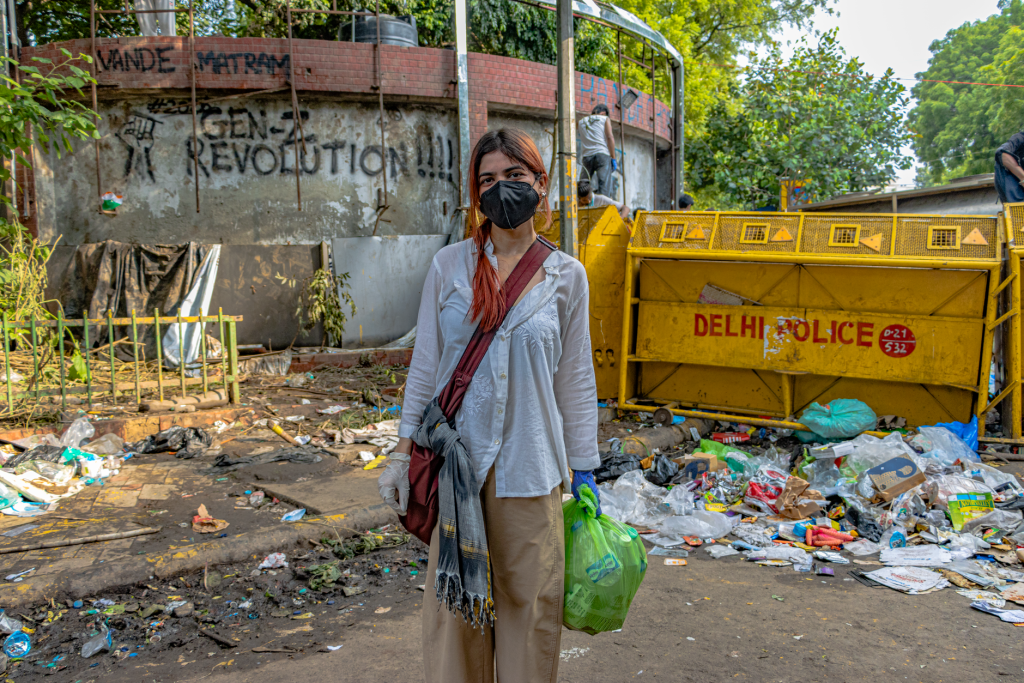
The India election chief protest hit a new peak on Monday, when opposition leader Rahul Gandhi led thousands of marchers toward the Supreme Court in New Delhi to demand the sacking of Chief Election Commissioner Gyanesh Kumar. According to Al Jazeera, more than thirty thousand police officers were deployed on the capital's streets to stop them.
The march never physically reached the court. Barricades blocked the route, and some supporters climbed over the first set before police pushed back at the second. Congress leaders then announced that a petition had been submitted anyway, and the truck carrying Gandhi, his sister Priyanka and other leaders turned around.
Why people are furious
At the center of the anger is the voter list. Al Jazeera reports that since June last year the Election Commission has been revising statewide voter rolls, and it has removed more than one hundred thirty million names. Critics say the purge hits minorities and other vulnerable groups hardest, and the BJP denies the allegations.
The anger got sharper after revelations that Kumar frequently overruled concerns raised by the two other election commissioners about the integrity of the voter database changes. For opposition parties, that detail turned a technical dispute into a question about whether India's referee is playing fair.
A Gen Z movement gets serious
This is not just a party-political fight. The Gen Z-led "Cockroach" protest movement, which forced out Education Minister Dharmendra Pradhan in July, is part of the push. According to NPR, those youth-led protests have intensified since the revision began.
Student leader Neha Bora of the All India Students' Association has become one of the movement's faces. She reveals her protest location only thirty minutes ahead, then supporters rush there by social media alert. On Sunday she jumped several barricades before police dragged her into a van. A student named Aditi Thakur called it a "fun cat-and-mouse chase" and said these are "guerrilla times, but peacefully."
Crackdown and a missing protest ground
The police response has been heavy. The Hindu reported that Delhi Police detained more than five thousand protesters trying to reach Jantar Mantar, the traditional protest site. On Monday police also removed Jantar Mantar's status as a designated protest venue, naming Ramlila Ground, Burari Ground and CBD Ground instead.
The Supreme Court had already directed the Centre and Delhi Police on Sunday to ensure free movement of people, subject to law and order. Meanwhile, the Chief Justice of India declined to meet Gandhi, with sources saying the matters are already before the court, according to India Today.
Gandhi did not hold back at his press briefing. He said the government had put the capital "in jail" and told Kumar, "you will not survive as CEC." He also urged the official to resign and turn approver, saying Kumar made a mistake but is not the mind behind it. Gandhi has even called for a treason trial, a very sharp escalation in rhetoric.
What analysts say comes next
Few expect the India election chief protest to fade quickly, because both sides have staked their credibility on it. The opposition cannot back down after a march this big, and the government cannot be seen bending to street pressure.
Political analyst Asim Ali told Al Jazeera the mood has shifted from humour toward anger, and that the movement is growing into a broader anti-government campaign. He also argued that students cannot be beaten and dragged daily, so opposition parties will need to lead from the front. Another analyst, Rasheed Kidwai, said violent detentions of lawmakers are especially worrying.
The government's weak spot is geography. Central Delhi hosts most federal offices and a major business hub, and Ali noted that authorities cannot allow that to be disrupted every day. Protesters know it, which gives them leverage even when they are outnumbered by police.
For now, the demand has not changed: Kumar must go and the voter roll revision must be rolled back. Leaders from Congress, other opposition parties and the Cockroach movement say they are still deciding their next steps. Police have also registered two FIRs over Monday's march, according to The Hindu.
If you want more on how global power struggles are playing out, browse our politics coverage. The big question is whether a youth-powered street movement and a united opposition can force out an official in the world's largest democracy.
Comments 0
No comments yet. Be the first to share your thoughts!
Leave a comment
Share your thoughts. Your email will not be published.