Pakistan emergency rule is now a reality in Khyber Pakhtunkhwa, the northwestern province that was the last place in the country run by jailed former prime minister Imran Khan's party. On Sunday, the president suspended the elected provincial government, and the fallout is still unfolding on the streets of Peshawar.
What actually happened
According to Reuters, Pakistan's president declared a state of emergency and suspended the provincial government led by Khan's Pakistan Tehreek-e-Insaf, better known as PTI. The federal government said the province had failed to tackle Islamist militancy along the border with Afghanistan.
Dawn reports that the move was approved under Articles two hundred thirty-two and two hundred thirty-four of the Constitution, which cover emergencies and governor's rule. President Asif Ali Zardari signed off after an emergency cabinet meeting chaired by Prime Minister Shehbaz Sharif, where ministers were briefed on the security situation in the province.
In plain terms, the elected provincial team is sidelined and the governor, who represents the federal government, takes over its powers. Law Minister Azam Nazeer Tarar said the arrangement would initially run for six months, according to Al Jazeera.
Why now
The timing is the part that makes this feel less like routine governance and more like a power play. The emergency landed about a week after PTI supporters gathered in the province with plans to march on Islamabad and demand Khan's release, as Reuters notes.
That kind of march has history. The party's last large protest two years ago ended in deadly clashes with security forces, and Khan's arrest in twenty twenty-three set off nationwide riots that rattled the military's standing. Officials clearly did not want a repeat.
Islamabad's official argument is security. The Washington Post reports that the federal government accused the suspended provincial administration of working "hand in glove" with the Pakistani Taliban, an allegation used to justify the takeover. PTI calls the move political and undemocratic.
Arrests and the street response
PTI figures say chief minister Sohail Afridi and provincial party president Junaid Akbar were taken into custody shortly after the announcement, according to The Economic Times, which notes that the interior ministry and armed forces did not respond to its requests for comment.
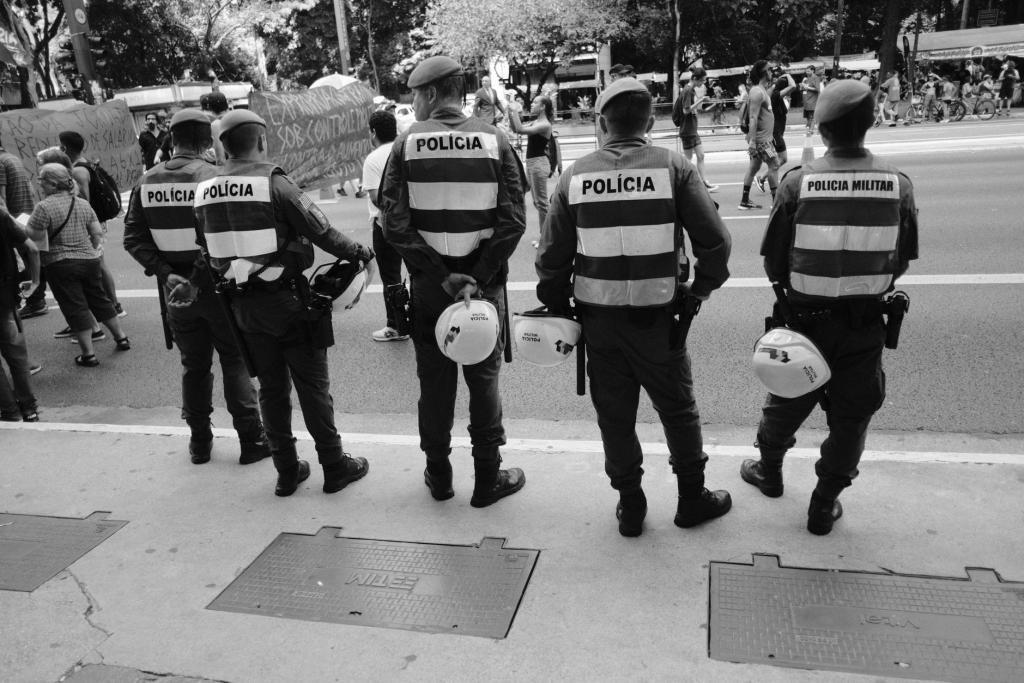
By Monday, protests against the emergency were drawing smaller crowds, and the New Indian Express reports that police detained two hundred seventy-eight PTI members. Photos from Peshawar show officers detaining supporters as they demonstrated against the order.
The governor, Faisal Karim Kundi, had defended federal intervention before the decision was even announced. "We've to establish peace in the province," he told Geo News, as quoted by The Independent.
The legal fight ahead
Here is where it gets messy. Dawn explains that under the emergency provisions the provincial assembly keeps functioning, but federal law wins if the two clash, and the proclamation lapses after two months unless a joint sitting of Parliament approves it.
Dawn's analysis also points to a Supreme Court concurrence from nineteen ninety-four, which held that the president cannot dismiss a chief minister and cabinet simply by using Article two hundred thirty-four. A chief minister can only fall by losing the legislature's confidence, and the piece notes the order is expected to be challenged in court.
There is some irony in the details too. Dawn recalls that Zardari imposed governor's rule in Punjab in two thousand nine, when Shehbaz Sharif was the ousted chief minister and took a far dimmer view of the practice. Now the same president is acting on the same man's advice.
Why Gen Z should care
Pakistan has one of the youngest populations on the planet, and a huge share of PTI's online energy comes from first-time voters who grew up on hashtags and livestreams. Whether this crackdown cools the movement or fuels it will be a defining test of how far a government can go when young supporters organize digitally.
For everyone watching from outside, the big question is whether this is a one-off security move or a template. For more on how governments are leaning on emergency powers worldwide, browse our war and conflict coverage. For now, all eyes are on the courts, Parliament, and whether the marchers keep moving.
Sources: Reuters via Al-Monitor, Dawn, Al Jazeera.
Comments 0
No comments yet. Be the first to share your thoughts!
Leave a comment
Share your thoughts. Your email will not be published.