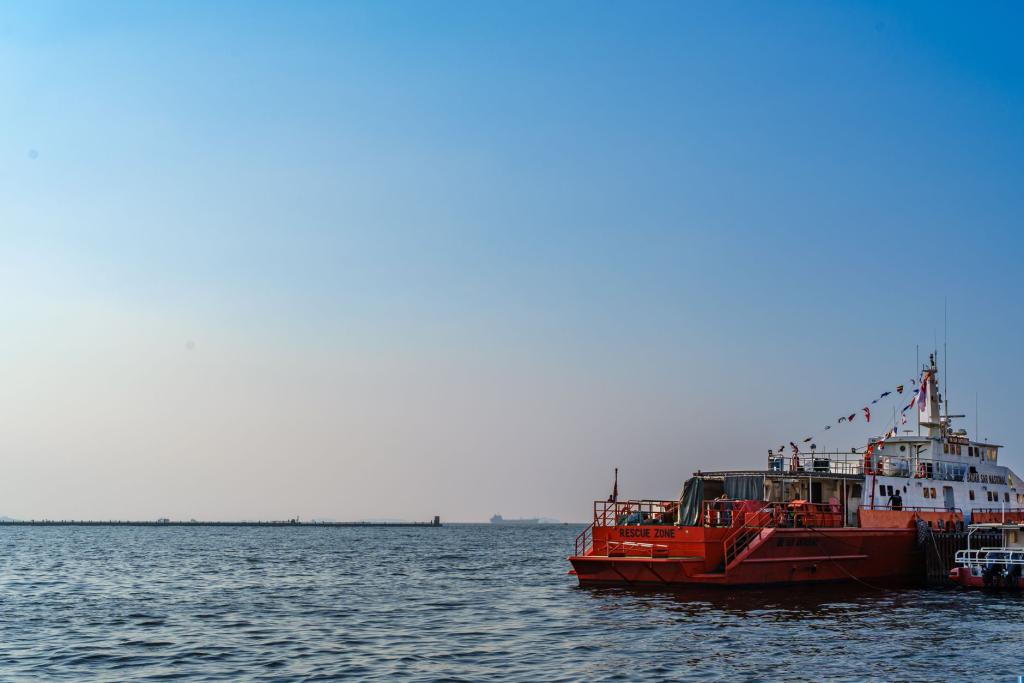
At least 139 migrants are dead and 84 remain missing after the Djibouti boat, an overcrowded vessel packed with migrants, capsized off the coast of Djibouti on the night of October 8, the United Nations migration agency said on Sunday. The vessel was carrying 305 people from Djibouti toward Yemen when it went down near Guehere, north of the port town of Obock. About 82 people survived.
The Djibouti boat's death toll rose over the weekend after 30 additional bodies were recovered, lifting the count from 109. Djiboutian authorities continued search and rescue operations as the announcement was made, and the agency said the official number may change as recovery work proceeds.
What happened during the night crossing
Survivors told agency staff that the boat went down during the overnight crossing of the Bab el-Mandeb strait, the narrow waterway separating Djibouti from Yemen. The strait is roughly 20 kilometers wide at its narrowest point, and the crossing has become among the world's busiest irregular migration corridors.
Those rescued were brought to the IOM Migrant Response Centre in Obock, where the agency said it is providing healthcare, psychosocial support, food, shelter and protection services. The survivors are Ethiopian nationals, according to the agency.
Children are among the dead: the agency counted fifteen young victims. "On board were women and men, but also children," Safiya Ibrahim, a humanitarian response coordinator for the agency, said. Officials cautioned that the confirmed tally covers only bodies recovered by Djiboutian authorities. Other victims were buried by fellow migrants along the shoreline and will be added to the count once their remains are verified, the IOM's chief of mission in Djibouti told the Associated Press.
Obock, the fishing town near the wreck site, has become the focal point of the response. The Djibouti boat went down just north of the town. Its migrant response centre is now caring for the survivors while authorities work to identify the dead and account for the missing.
A deadly toll on the Eastern Route
In a statement, the agency described the sinking of the Djibouti boat as among the deadliest shipwrecks recorded on the Eastern Route, the corridor linking the Horn of Africa to the Arabian Peninsula. Each year, tens of thousands of people, mostly from Ethiopia and Somalia, travel through Djibouti hoping to reach Yemen and eventually the Gulf states, driven from home by poverty, conflict and drought.
Many pay smugglers for passage on boats that are packed far beyond what they can safely carry. The vessels keep leaving even though Yemen itself is engulfed in civil war, a conflict that killed 12 people at a Saudi airport in a recent Houthi missile strike, which shows how few options the passengers believe they have.
"No one gets into a boat like that unless they believe there is no other safe way," IOM Director General Amy Pope said in a statement on Sunday about the Djibouti boat. She urged governments and donors to expand safe and legal migration pathways "before the next boat goes down." These deaths must not become routine, she said, and safe, legal routes save lives.
The agency's chief of mission in Djibouti, Alexandre Coissac, called the sinking of the Djibouti boat a devastating loss of life and said response teams are working alongside local authorities to support survivors and families still waiting for news of the missing.
Most of the people on the Djibouti boat were Ethiopian, part of a steady flow of migrants from the Horn of Africa who pass through Djibouti each year. Their goal is usually Yemen first, then the Gulf states, where many hope to find work. The agency said it is helping survivors reestablish contact with relatives, a task made harder by the scale of the loss.
Back in Ethiopia, families are waiting for word. Agency staff are trying to reconnect survivors with relatives, a slow process when so many of the missing have not been identified. For those whose loved ones are among the dead, the only certainty so far is that they will not be coming home.
The agency has described the Eastern Route as one of the world's most dangerous migration corridors. In Sunday's statement, Pope argued that safe and legal pathways are the way to keep people off smugglers' boats. Additional material on the agency's response is available through the United Nations' coverage of the shipwreck.
The agency used its statement to press governments and donors to open more legal migration routes, arguing that safe pathways are what keep people off smugglers' boats. The full account of the Djibouti boat disaster, according to the IOM's statement, will depend on the search and recovery effort still under way off Obock.
Comments 0
No comments yet. Be the first to share your thoughts!
Leave a comment
Share your thoughts. Your email will not be published.