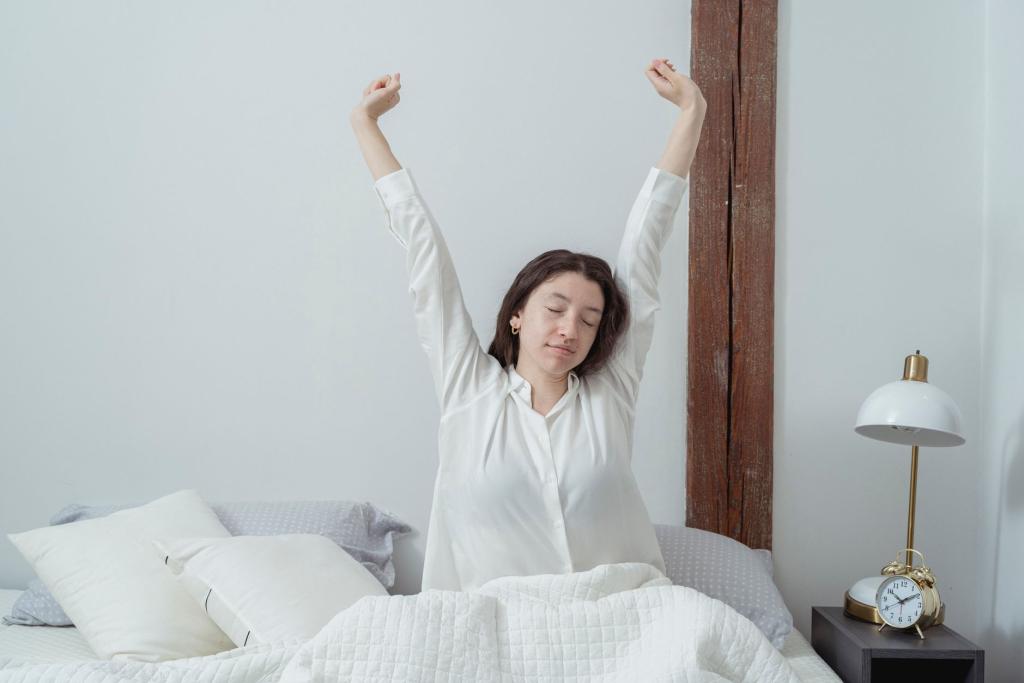
Gen Z is spending an average of $1,070 a year on wellness products and health-tracking tools — and feeling worse for it. That is the top-line finding of the inaugural Body Clock Report from Owaves, a circadian-health company, which surveyed 1,000 U.S. college students in the spring of 2026. But buried in the same survey is the part that actually matters: the strongest predictor of better mental health, better sleep, and lower burnout was not money, and not screen time. It was timing — whether students aligned their daily lives with their own body clock.
The numbers paint a strange portrait of a generation that tracks everything and fixes almost nothing. Eight out of ten students surveyed use at least one tracker or health app, and nearly three in five tracker users check their data at least once a day. Yet one in five has never changed a single behavior because of what their data showed. Over the past month, students reported feeling anxious and overwhelmed often or always at a rate of 47%, emotionally exhausted at the same rate, cynical about school at 40%, lonely or socially disconnected at 38%, and unable to keep up at 37%.
"People are collecting and tracking more personal data than ever, but are still not sure how to use it to improve overall health and wellbeing," said Royan Kamyar, a physician and the founder and CEO of Owaves, in a statement accompanying the report's release. The company also publishes a planning app built around circadian science, a detail worth keeping in mind while reading its research.
The Knowledge Gap That Predicts How You Feel
When students were asked to define circadian rhythm — the body's internal clock, which helps regulate sleep, wakefulness, and hormone release across the 24-hour cycle — 53% got it wrong. The survey found that this gap in basic knowledge tracks with measurable differences in how students feel and function.
Students who correctly understand their body clock were ten percentage points more likely to go to bed at the same time each night than those who did not — 47% versus 37%. They were also nearly ten points more likely to say they rarely feel lonely, 27% versus 18%, and reported less anxiety, less emotional exhaustion, and less academic overwhelm across the board. In other words, the students who grasped the concept behaved differently: they slept on a schedule, and the consistency showed up in their mood.
The pattern shows up in spending habits, too. Nearly a third of students — 32% — have used melatonin or another sleep supplement in the past year, but 58% have never tried the free alternative: going to bed at the same time every night. About 17% have taken a sleep supplement without ever attempting a consistent schedule. It is a tidy summary of the whole paradox: money flowing toward products, while the zero-cost intervention sits untouched.
From Sleepmaxxing to "Rhythmmaxxing"
Kamyar's proposed fix has a name that sounds like a TikTok trend because it is supposed to replace one. Where "sleepmaxxing" — the internet's obsession with optimizing sleep through gadgets, supplements, and elaborate routines — asks what you can buy, "rhythmmaxxing" asks when you do things. The practice means aligning daily activities like meals, movement, deep work, socializing, and sleep with the body's natural 24-hour rhythm, rather than stacking more products on top of a chaotic schedule.
The logic behind the pitch is straightforward. Circadian science has made enormous progress in the last decade, but knowing about sleep and living on a rhythm are different things. When activities line up with the internal body clock, Kamyar argues, the perceived need for external tools — sleep aids, tracking dashboards, trend-driven supplements — drops significantly, while mental and physical wellbeing improves. That tracks with what independent research keeps finding about consistency: a recent Stanford Medicine experiment, published in early September in JAMA Health Forum, found that even small, well-worded interventions could shift young people's digital habits, suggesting behavior responds to targeted, timely nudges far more than to data dumps.
The trend may already be turning on its own. According to a 2026 survey of 2,000 U.S. adults by Talker Research for The Vitamin Shoppe, more than half of Americans are looking to change their wellness routines this year — and among those changing, twice as many are simplifying around basics like quality sleep, regular movement, and foundational nutrition as are chasing advanced optimization strategies. The shift is most pronounced among younger adults: Gen Z is more than twice as likely as boomers to overhaul their wellness approach, and nearly half of those who are changing routines are prioritizing simpler habits. The catch is that Gen Z also reports the most pressure to keep up with the latest health trends — 70%, versus a third of boomers — which is exactly the pressure that fuels the spending the Owaves survey documented.
Where the Health Advice Actually Comes From
That pressure does not arrive out of nowhere. A study published in September 2026 in the journal Health Communication found that young adults' most memorable health messages now come from strangers and influencers on social media rather than doctors, friends, or family members, as reported by MedicalXpress. Most of the young people surveyed did not even follow the influencer — they saw the message once, and some recalled it for more than six years.
Those memorable messages cut both ways. Some promoted empowerment, like treating health as holistic and mental health as part of overall wellbeing. Others pushed universal prescriptions with shaky backing — mouth tape to reshape the jaw, spearmint tea for hormonal conditions, blanket bans on seed oils. When the loudest voice in your health decisions is a stranger with a ring light, it is not hard to see how a generation ends up spending four figures a year on wellness while skipping the free fix of a consistent bedtime.
The Fine Print
It would be irresponsible to treat this as settled science. The Owaves survey is a self-reported poll of 1,000 students conducted by a commercial panel provider — it shows correlations, not causation. Students who understand circadian rhythm may also be the ones who sleep better for a dozen other reasons, from money stress to class schedules. And Owaves, it should be said plainly, sells a circadian planning app; it has a commercial interest in the conclusion that timing beats products. The findings are best read as a survey snapshot, not a clinical trial.
Still, the survey's core tension rings true, and it costs nothing to test. Nobody needs an app or a supplement to go to bed at the same time each night, eat meals on a rough schedule, or get daylight in the morning — and the students who did the free things reported feeling better than the ones who bought the expensive ones. The wellness industry will keep selling the expensive version. Your body clock was free the whole time.
Related reading on the site: the Mind & Body topic page and Why Dry Air Makes You Cough, and How to Fix It. External sources: Owaves' Body Clock Report release and MedicalXpress on the Health Communication study.
Comments 0
No comments yet. Be the first to share your thoughts!
Leave a comment
Share your thoughts. Your email will not be published.