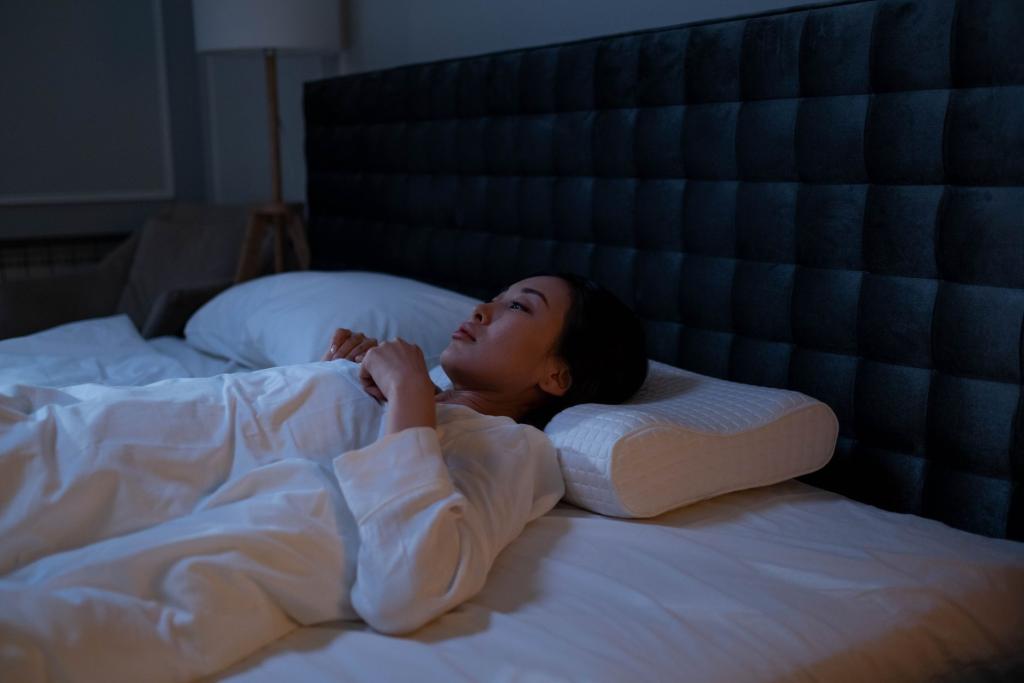
If you spend your nights staring at the ceiling instead of sleeping, the latest insomnia stroke risk research says the stakes go well beyond tomorrow's grogginess. A sweeping umbrella review pooling evidence from more than 1.3 million people found that insomnia is associated with a 26 percent higher risk of stroke and 28 percent higher odds of being admitted to hospital for any reason, according to a report in the journal Sleep Medicine Reviews.
The review examined seven health outcomes and concluded that sleeplessness looks less like a lifestyle nuisance and more like a marker of brain, mental and general health. Alongside the stroke and hospitalization findings, researchers linked insomnia with depression and suicidal behaviors, plus evidence of a connection to dementia, particularly Alzheimer's disease, reported by Medical Xpress.
What the insomnia stroke risk review actually found
The researchers, led by Luca Vignatelli of the IRCCS Institute of Neurological Sciences in Bologna, searched the MEDLINE and EMBASE medical databases through August 2025. They combined existing systematic reviews with three brand-new systematic reviews covering stroke, occupational injuries and hospitalization. For stroke alone, nine eligible studies were identified, with six folded into the meta-analysis.
The headline numbers are hard to ignore. People with insomnia faced roughly a quarter more stroke risk than those who slept normally — the core of the insomnia stroke risk finding — and their odds of hospital admission for any reason ran about 28 percent higher. The wider evidence also pointed to associations with depression and suicidal behaviors. Most reviews connected insomnia with all-cause dementia, though the results were not consistent everywhere; the link looked most solid for Alzheimer's disease, while the picture for vascular dementia was mixed.
To put the scale in context, a previous meta-analysis estimated that insomnia meeting international diagnostic criteria affects around 22 percent of the general population. That means nearly one person in four could carry this extra risk, which is why the authors argue sleeplessness belongs in routine conversations about health, not just in sleep clinics.
Why researchers say the insomnia stroke risk matters for brain health
"Insomnia deserves attention as a warning sign of the status of brain and mental health," Vignatelli said in comments released through the European Academy of Neurology, adding that someone with insomnia carries an increased risk for dementia or stroke and that the condition "should be recognized and addressed as part of a wider approach to health."
Study author Stefan Seidel put it even more plainly, saying that sleep should be part of the conversation about brain health at every age and calling for more awareness of insomnia and its treatment in communities, schools and workplaces.
For young adults, understanding the insomnia stroke risk matters because the framing is different. Late nights often get treated as a productivity badge or a side effect of hustle culture, and scrolling until 2 a.m. is easy to shrug off when exams or deadlines feel urgent. This review reframes the habit: chronic sleeplessness may be one of the earliest readable signals that something in the brain is under strain, and catching it early could matter years before a stroke or cognitive symptoms ever appear.
It may not just be how long you sleep, but how deeply
A separate line of research suggests the story goes beyond hours in bed. A systematic review of 32 human sleep studies by researchers at the University of Szczecin and Wroclaw Medical University, published in the journal Nutrients, found that caffeine consistently dampens slow-wave activity, the brain rhythm most closely tied to deep, restorative sleep, according to Medical Daily.
The review drew renewed attention after Wroclaw Medical University publicized it in late September. Its implication is uncomfortable for anyone who runs on coffee: you can fall asleep on schedule and sleep through the night yet still get lighter, less restorative rest. Feeling rested, in other words, may not fully reflect what the brain actually did overnight.
Read together, the two reviews point to the same takeaway. Sleep quality deserves as much attention as sleep quantity, and the small habits that protect deep sleep — consistent bedtimes, cutting caffeine well before evening, keeping screens out of the final hour — may be doing quiet work for the brain that compounds over decades.
The honest caveats on insomnia stroke risk, and what to do if you cannot sleep
The researchers are clear about what this review does not prove. The evidence identifies associations, not proof that insomnia directly causes stroke or dementia. Differences in how insomnia was defined across the included studies, plus limited accounting for sleep medication use, mean the findings need careful interpretation. The authors emphasize that insomnia should be treated as a warning sign, not a diagnosis of what is coming.
Still, the direction of travel is consistent: across stroke, hospitalization, depression and Alzheimer's, sleeplessness kept showing up on the wrong side of the data. And unlike many health risks, the basics of insomnia care are well established. Cognitive behavioral therapy for insomnia is the first-line treatment in clinical guidelines, and sleep experts consistently recommend regular wake times, morning daylight, and keeping the bedroom dark and cool.
The message is not that one rough night meaningfully changes anyone's insomnia stroke risk. It is that months of struggling to fall or stay asleep, paired with impaired daytime functioning, is worth mentioning to a doctor rather than powering through. As the review's authors argue, sleep should be part of health promotion the same way diet and exercise are. For a generation that treats exhaustion as normal, that might be the most useful finding of all.
For more stories on the science of everyday life, browse Mind & Body, and read our earlier look at how scientists found a "window" to stop brain metastasis early.
Comments 0
No comments yet. Be the first to share your thoughts!
Leave a comment
Share your thoughts. Your email will not be published.