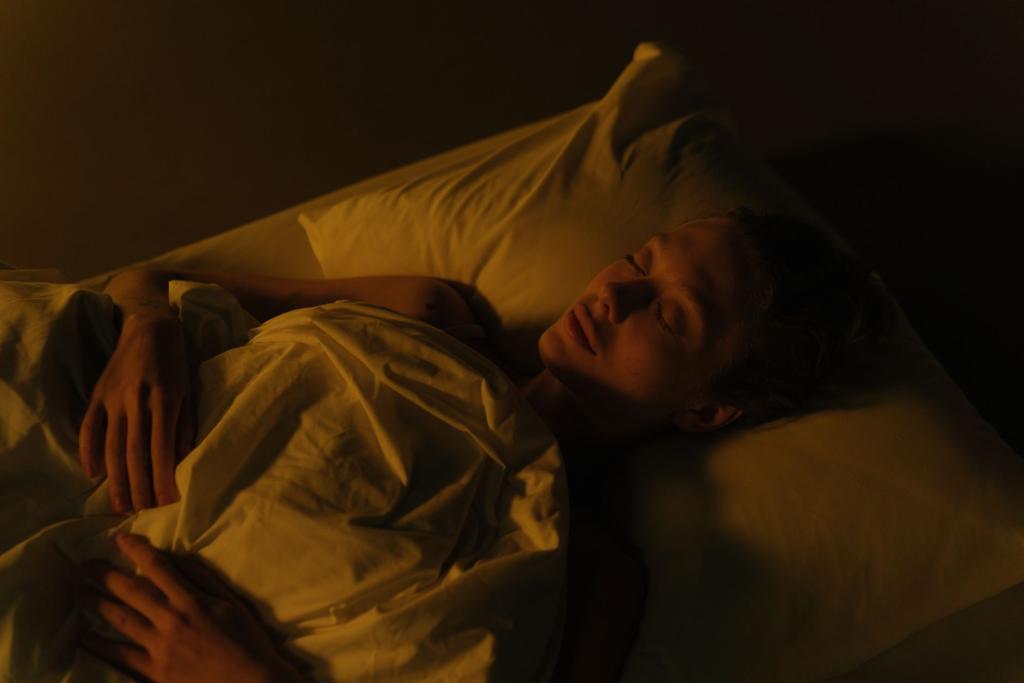
On Sunday, most of the United States turns the clocks back an hour, and the promise is simple: an extra hour in bed. New sleep data shows the payoff is much smaller than the promise. According to Withings, which analyzed sleep records from the autumn clock changes of recent years, Americans slept only eleven minutes longer on the night the clocks fell back than on a typical Saturday night. That small gain is the heart of this year's fall back sleep story: the body does not reset just because the clock does.
Withings based the finding on nearly 240,000 nights recorded by its sleep trackers and connected apps, covering the autumn clock changes of 2023, 2024 and 2025. For each person, researchers compared the night of the change with the average of that person's four previous Saturday nights, then subtracted the small shift seen in places whose clocks never change, such as Arizona and Hawaii, to separate the clock change from the season. The result held across the country. People in Houston gained the most among large cities, at sixteen minutes, while New Yorkers gained nine. In Europe, where clocks went back a week earlier, the gain ran between ten and fifteen minutes.
The bonus does not last. Through the following week, Americans woke about twenty-five minutes earlier each morning by the old rhythm while sleeping slightly less overall, and by the next Saturday they slept about four minutes less than usual, with a slightly lower sleep score. Sleep quality returned to its earlier level over the following two weeks, according to the company. The fall back sleep adjustment plays out over weeks, not a single night, and the pattern fits what sleep researchers have long described: the internal clock moves with light and habit, not with the numbers on a dial.
Why the body shrugs off the extra hour
Dr. Pierre Escourrou, a cardiologist and sleep specialist who works with Withings, puts it down to light and routine. The body clock is set by morning daylight, meals and regular bedtimes, and none of those move overnight when the clocks do. As the evenings darken after the change, sunset arrives an hour earlier by the clock, and the shorter days that follow make steady routines matter more, not less. One restless night on its own means little, Escourrou notes; the pattern across weeks is what deserves attention.
The road risk in the darker evenings
The timing matters beyond the bedroom. The National Sleep Foundation released its 2026 Drowsy Driving Report on Thursday, ahead of its annual Drowsy Driving Prevention Week in early November. According to the foundation, an estimated 145 million adult drivers in the United States have driven while impaired by sleepiness at least once, and nearly 35 million do so at least monthly. About 40% of drivers do not recognize basic warning signs such as frequent blinking, head-nodding and drifting from a lane. Data from the AAA Foundation for Traffic Safety cited in the report puts drowsy driving behind one out of every five deadly motor vehicle crashes.
The foundation recommends seven to nine hours of sleep for most adults, and eight to ten hours for teens of driving age. Drivers who notice warning signs should stop somewhere safe, switch drivers or take a rideshare rather than push on, the foundation says. Most adults surveyed favored legal consequences when drowsy driving causes a serious injury or fatal crash. Millions also backed requiring driver-alertness technology in new vehicles and sleep education as part of licensing.
Making the darker weeks work better
For the weeks ahead, the advice from both Withings and the foundation points in the same direction. Keep bedtimes and wake times steady, even on weekends, and get outside in the morning while daylight is available. Track sleep across weeks rather than judging a single night, since nightly variation is normal. And when tiredness lingers for weeks instead of fading after the change, that persistence is a reason to talk with a doctor rather than wait for the next clock change to fix it.
The extra hour arrives on Sunday whether bodies use it or not. The data suggests most people will bank a few quiet minutes, lose them within days, and spend the darker evenings adjusting. Treating the fall back sleep week as a stretch to protect, on the road and in bed, is the more useful way to spend it.
Sources: Withings fall-back sleep data and National Sleep Foundation.
Comments 0
No comments yet. Be the first to share your thoughts!
Leave a comment
Share your thoughts. Your email will not be published.