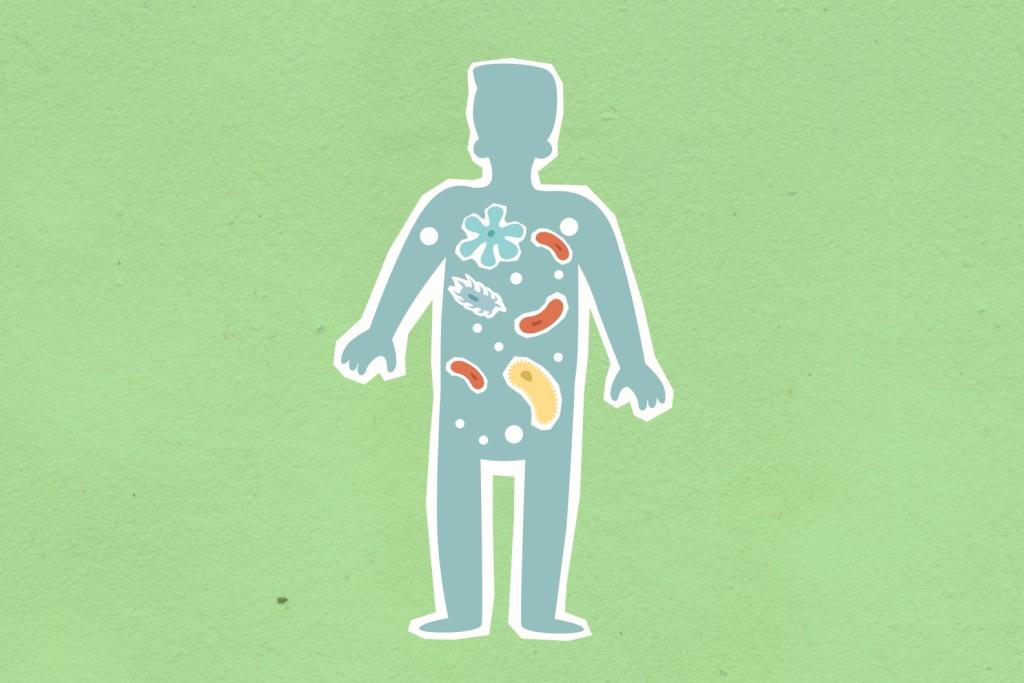
Your gut bacteria may know you are headed for type 2 diabetes long before a blood test does. New research presented this week at the 2026 annual meeting of the European Association for the Study of Diabetes in Milan found that shifts in the microbes living in the digestive tract form a signature of future diabetes risk — years before blood sugar rises enough to trigger a diagnosis.
The discovery comes from what researchers describe as the most comprehensive evaluation of its kind: an international team analyzed gut microbial DNA from more than 229,000 adults in the U.K. and the U.S. The findings, unveiled at the Milan meeting running from September 28 to October 2, suggest the trillions of organisms in the human gut could one day add an entirely new layer to how doctors assess diabetes risk.
The biggest gut bacteria study of its kind
The team, led by scientists at the University of Trento in Italy with collaborators in Britain, dug into metagenomic data — the DNA of microorganisms living in the gut — from 229,025 people. The average participant was 50 years old, and roughly three-quarters were women. Of that huge cohort, 3,627 already had type 2 diabetes and 14,022 had prediabetes, while the rest had normal blood glucose.
After accounting for age, sex and body mass index, the researchers identified 789 bacterial species associated with the disease. Of those, 168 showed up at higher levels in people with diabetes, while 621 were less common. One example was Enterocloster bolteae, a spore-forming species that appeared in greater numbers in people with the condition and has previously been linked to poorer heart and metabolic health. On the other side, Romboutsia timonensis — a bacterium described only in the last decade — was found at lower levels. Some of the flagged microbes had never even been isolated or grown in a lab, as News-Medical reports.
The warning sign shows up early
The striking part is timing. The researchers found that 587 of the 789 flagged species were already associated with prediabetes in people not taking diabetes medication — suggesting the microbial changes begin well before the disease is diagnosed.
The team then zoomed in on 135,093 people with fully normal blood sugar who also had data on how their glucose behaved after eating. Blood sugar naturally spikes after a meal and then falls; when it stays high for longer than usual, it is usually an early sign that muscles are not responding well to insulin — the first step toward diabetes. People whose post-meal sugar stayed elevated were more likely to carry the same bacterial pattern seen in people with diabetes, and the microbial shifts grew more pronounced as insulin resistance increased, according to ZOE's research blog.
What gut bacteria see that blood tests miss
Today's diabetes risk checks mostly lean on familiar signals: age, weight and family history. Blood tests then confirm prediabetes or diabetes — but only after sugar has already risen. A microbial signature could fill the gap in between, flagging risk while intervention is still easy.
Prof. Tim Spector, scientific co-founder of the nutrition company ZOE, called the results "a major step forward" in understanding the link between the microbiome and metabolic disease. Identifying clear microbial changes long before blood sugar rises, he said, opens the door to earlier intervention with personalized food and lifestyle choices.
Why it matters for you
Nearly 1 in 10 adults in the United States lives with type 2 diabetes, and far more have prediabetes without knowing it. If a future stool test could sort people into risk groups years earlier, doctors could push diet, exercise and sleep interventions when they matter most — and hold off on anything stronger. Researchers also suspect this is only the beginning: the same approach might eventually sharpen risk prediction for other metabolic conditions tied to the microbiome, from obesity to heart disease.
For now, though, do not expect a gut check at your next physical. Microbiome screening is not a product, and no doctor can order it for diabetes risk today. But the study points to where prevention science is headed: earlier, cheaper, and far more personal than a single fasting glucose number.
The catch: correlation is not cause
The findings come with real caveats. This was an observational snapshot, so it cannot show whether the bacterial changes help cause diabetes, result from early metabolic shifts, or simply reflect other factors such as diet. The team noted the changes were most pronounced in people already taking diabetes medication, and diet — which shapes both the microbiome and blood sugar — remains a possible confounder.
Scientists agree the next step is to follow people over time and test whether a microbiome signature can reliably predict who actually develops diabetes. Until then, the standard advice still wins: move daily, eat mostly whole foods, and know your numbers. Your gut may be sending signals — but a blood test remains the tool that counts.
Related reading: Mind & Body · Big Ozempic Study Clears Cancer Fears After Years of Doubt · Sources: News-Medical and ZOE's research blog.
Comments 0
No comments yet. Be the first to share your thoughts!
Leave a comment
Share your thoughts. Your email will not be published.