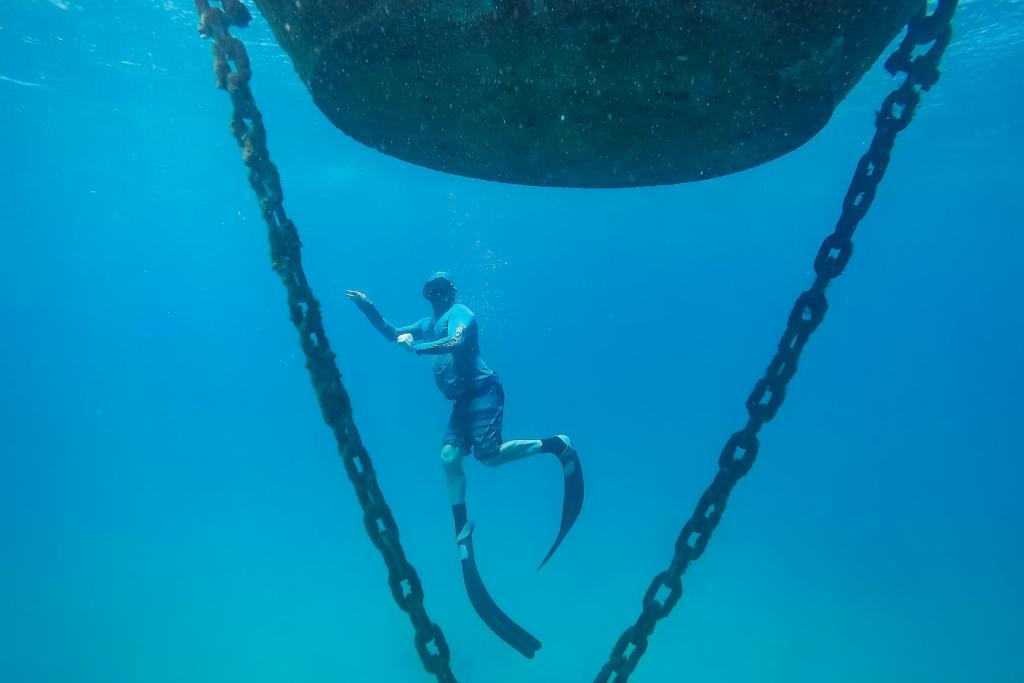
Archaeologists have confirmed the identity of the Oldest Shipwreck Ever Found: a Bronze Age cargo vessel lying off Kekova Island on Turkey's southern coast that sank between 4,400 and 4,700 years ago, according to the Turkish Ministry of Culture and Tourism and a new study detailing the find.
The wreck, resting on an underwater slope about 30 meters beneath the waves in the Demre district of Antalya, takes the title of world's oldest shipwreck from the Dokos wreck in the Aegean Sea, which dates to roughly 2200 BC. The Turkish vessel was built around the same time the Great Pyramid of Giza was going up, researchers said, and was likely carrying trade goods across the eastern Mediterranean when it went down.
The announcement, made in mid-October 2026, comes from underwater archaeologist Hakan Öniz of Akdeniz University, who led the excavation. “We are the first humans who touched these objects after about 5,000 years,” Öniz told the BBC, as reported by NewsCord.
Four Years From First Glimpse to Big Reveal
The discovery has been a slow burn. Öniz's team first spotted the wreck about four years ago, and at first glance the ceramic jars scattered on the seabed looked like they might be only a century or two old. The excitement came later, when the researchers saw the same amphora shapes in a publication on Egyptian archaeology and went back to the site with new eyes.
The jars matched forms found at the Giza pyramids and in Early Bronze Age contexts across Egypt and the Middle East. “Comparing the decoration techniques… we can definitely say our wreck is Early Bronze Age. This is 100%,” Öniz said, as reported by 10BM News.
An underwater excavation project launched earlier this year recovered more than 30 ceramic storage pots and three large stone anchors from the site, with the full findings written up in the Journal of Maritime Archaeology in 2026. Divers found the vessels spread across a partly sandy, partly rocky seabed, and brought them to the surface where they are now being carefully conserved.
What Thirty Pots and Three Anchors Can Tell Us
No wood from the vessel itself survived, so radiocarbon dating — which measures carbon in organic material — was off the table. Instead, the team dated the wreck by its pottery: the Kekova ceramics are distinctive, with two handles, a ridge around the middle, and a flat base, placing them firmly in the Early Bronze Age, around 2600 to 2400 BC.
The vessel itself was small, about ten meters long, and was sailing east to west when it sank. Clay analysis showed that some of the jars were manufactured in workshops in the Jordan Valley, and similar styles have turned up in Egypt, Turkey, and Greece — evidence, the researchers said, of an already-extensive Bronze Age trade network carrying agricultural products like wine and olive oil across the sea.
One jar stood out from the rest: it carried nine markings and two holes in its body, leading researchers to suggest it may have been used to churn butter or cheese. The anchors, including two three-holed stones and one single-holed stone, resemble ones seen in Minoan, Cypriot, Anatolian, and Levantine contexts, though the team cautions that it remains unclear whether the anchors belonged to the ship itself.
Why It Matters — and What's Still Debated
For anyone who has ever visited the Mediterranean coast, the find reframes how old organized seafaring really is. The Oldest Shipwreck Ever Found predates even the famous Sunken City at Kekova by millennia, pushing documented shipboard trade back to an era when written history was still being invented. The discovery “shed light on the deep-rooted history of maritime trade along the Anatolian coasts,” Turkish Culture and Tourism Minister Mehmet Nuri Ersoy said, according to the Western Morning News.
The counterpoint is one of healthy skepticism built into the method: without surviving wood, the dating rests entirely on pottery typology. The researchers are upfront about this, and about the open question of whether the anchors were part of the ship's gear or simply sat nearby on the seabed. More excavation is planned, and the conserved artifacts are expected to fill in what the hull itself can no longer say.
Related reading: this newsroom recently covered a bronze ring that revealed the lost lighthouse of Alexandria, lasers that uncovered a hidden ancient fleet in Cyprus ship graffiti, and a Roman gravity aqueduct that supplied Jerusalem for two thousand years.
Comments 0
No comments yet. Be the first to share your thoughts!
Leave a comment
Share your thoughts. Your email will not be published.