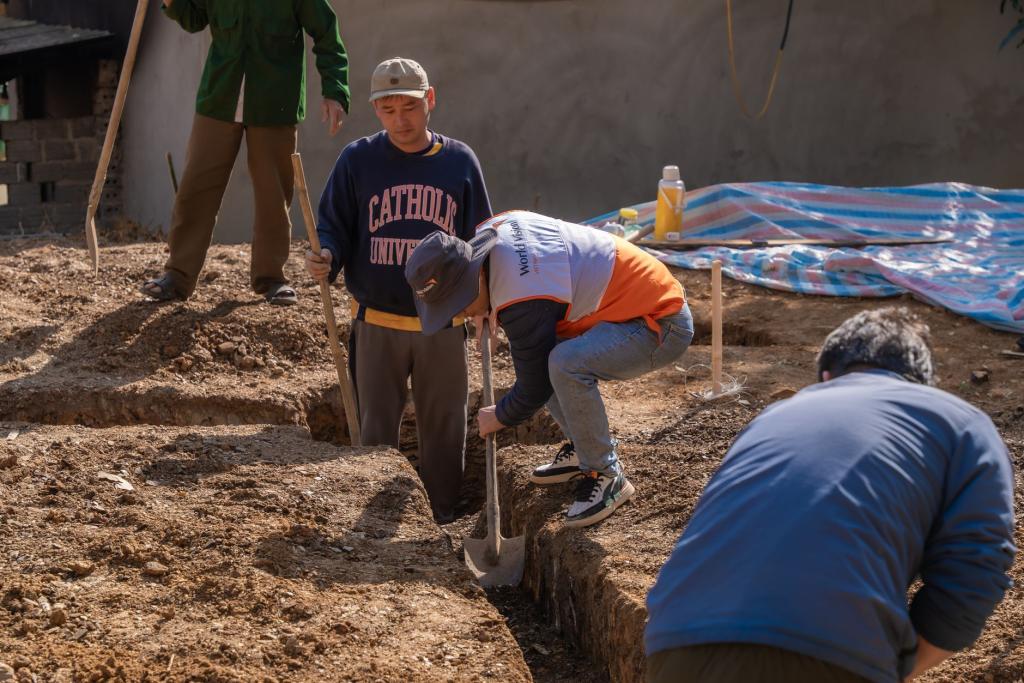
On a grassy park in Lincoln, England, more than 100 volunteers have picked up trowels alongside archaeologists to unearth one of England's oldest medieval leprosy hospitals. The Hospital of the Holy Innocents, likely founded during the reign of Henry I in the 1100s or earlier, is believed to have stayed active for around five centuries. The latest work, carried out over a long weekend with the archaeology series Time Team, is opening a window onto how a medieval city cared for — and separated — people living with Hansen's disease, according to a Smithsonian report published October 13, 2026.
The digging builds on a pilot excavation last year led by archaeologist Samantha Tipper of Anglia Ruskin University. Then, volunteers opened dozens of test pits across the park and turned up boundary walls, building surfaces and medieval artifacts linked to the hospital. The work is taking place on the north side of South Common, where the pilot first exposed the hospital's walls. Last weekend the investigation went further: the television crew ran a geophysical survey — essentially ground scans — dug fresh test pits and opened a trench close to a hundred feet long, linking pits excavated the year before. The weekend dig marks the opening phase of a much longer investigation. Running through that trench are the remnants of one long wall, and beside it, traces of small square structures the archaeologists believe were lodgings.
What the trench is revealing
Supervised by archaeologist Carenza Lewis together with Tipper, the crew uncovered what Lewis told the BBC were “little square features, about 16 feet across” — the footprints of small buildings or yard areas, none of which had been dug before. Historical documents suggest as many as 20 residents lived at the site, and Lewis believes the square traces mark “little houses with a little yard, perhaps” for people receiving care. The hospital likely also included a church and spacious lodgings, and it was run by chaplains and a warden — an institution, not just a place of exile.
Care in medieval England was not equal
Here is the uncomfortable part. “You'd need to have resources to get in here,” Lewis told the BBC, adding that buying a place at the hospital was “a bit like getting a place in a private care home.” In other words, this was not quarantine for everyone. It was care with a price tag, and most people living with the disease would never have seen its like. Modern quarantine law treats isolation as a public duty applied to all; the medieval version, at least here, worked more like a membership.
Leprosy is caused by the bacterium Mycobacterium leprae. It reached England as early as the fifth century, possibly carried from Scandinavia, and had become endemic centuries later. In the medieval world, people with the disease were often quarantined for life and even declared legally dead, while some contemporaries treated the illness as punishment for sin. Tipper told the BBC that sufferers were believed to be living “their own purgatory on earth.” The Lincoln dig complicates that bleak picture: behind the stigma stood an institution with a church, a warden and real shelter — if you could afford the way in.
Lincoln City Councilor Rebecca Longbottom said in a statement that the community excavations had offered “a fascinating glimpse of what lies beneath the Common,” calling the three-year Hidden Histories Unearthed project — funded by the National Lottery Heritage Fund — a new beginning for the site. The initiative promises years of discovery, learning and community involvement, with more chances for local people to join future digs.
For a generation that lived through pandemic-era lockdowns, the story hits close to home. Quarantine, public health and who gets care are not medieval problems — they are ours. Three more years of digging lie ahead, and with them, more of the residents' stories: the chaplains, the warden, and the people whose names history never recorded. Years of further excavation lie ahead, and each season is expected to add new detail to their stories.
Comments 0
No comments yet. Be the first to share your thoughts!
Leave a comment
Share your thoughts. Your email will not be published.