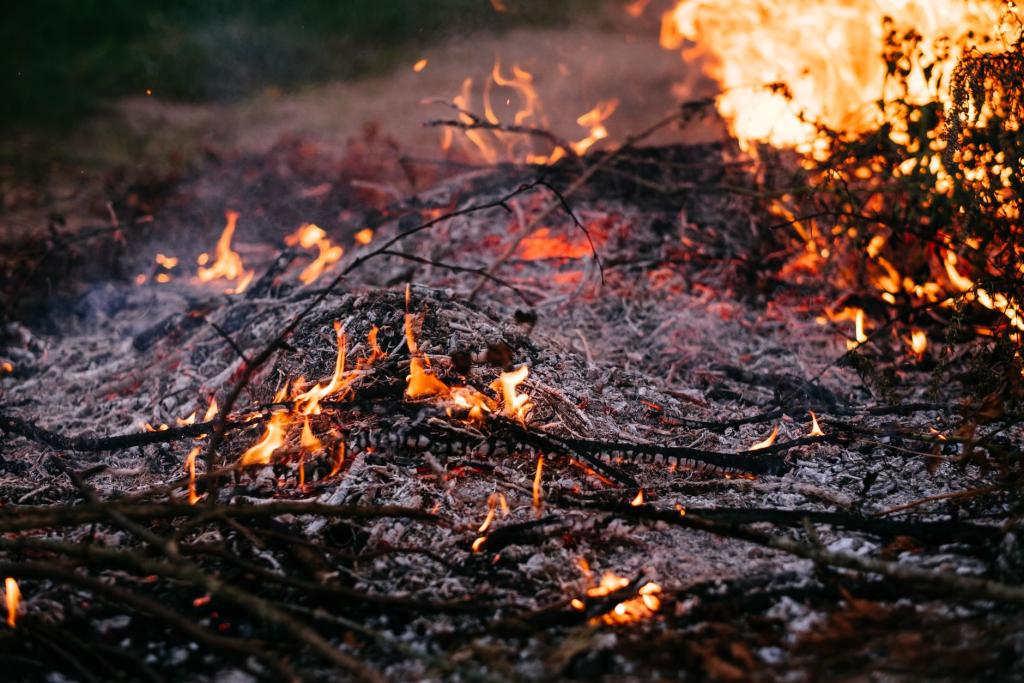
The Norte Fire tore through the hills above San Clemente and San Juan Capistrano on Friday, burning at least six homes and sending thousands of people running for the exits. By Saturday morning the blaze was only barely contained, and Southern California was bracing for one more day of dangerous weather.
Here is what we know so far, what fueled it, and why this one feels uncomfortably familiar to anyone who lives in the region.
What the Norte Fire did on Friday
The Norte Fire started in the coastal city of San Clemente on Friday afternoon and was pushed by gusty winds into neighbouring San Juan Capistrano, according to Al Jazeera. The Orange County Fire Authority first put it at about four hundred sixty-five acres, and the state fire agency Cal Fire had it near five hundred seventy acres by evening.
Black smoke rolled over tennis courts and swimming pools as crews doused blazing homes on expensive coastal streets. Some residents sprayed water on their own roofs before obeying evacuation orders. By Friday night, roughly sixteen thousand residents from about six thousand homes were under orders to leave, and shelters opened in both cities.
By Saturday morning, the Los Angeles Times reported that the fire had destroyed six homes and was only five percent contained, with the Orange County Fire Authority saying its goal was simply to keep the blaze within its current footprint.
Why the winds made it so dangerous
The fire is one of several across the region driven by Santa Ana winds, the hot, dry gusts that blow from the interior toward the coast each autumn, when vegetation is at its driest. Forecasters said gusts reached between thirty-five and fifty-five miles per hour in coastal areas, and tens of thousands of customers lost power as utilities cut electricity to reduce the risk of sparks.
There is a twist here. Southern Orange County got a decent soaking last weekend, so many people assumed the risk was lower. According to the Los Angeles Times, the grass and chaparral did not have time to absorb the moisture, and low humidity dried it out again fast.
Climate scientist Daniel Swain said the conditions had clearly dried out enough for relatively high-intensity fire spread, even though this wind event does not compare to the ones that fanned the Palisades and Eaton fires.
Other fires burning nearby
The Norte Fire was not alone. In Malibu, the Bryson Fire has burned about one hundred forty-seven acres near Encinal Canyon Road and was at thirty-nine percent containment by Friday evening, per the Los Angeles Times. Further south, the Henderson Fire hit Camp Pendleton, burned more than two thousand acres in San Diego County, and briefly closed part of Interstate Five, according to Al Jazeera and the Guardian.
A smaller blaze in Azusa, called the Peak Fire, grew fast but firefighters mostly stopped its forward progress. Taken together, it has been a rough few days for fire crews stretched across three counties.
What locals and officials are saying
San Clemente Mayor Rick Loeffler said his city had been preparing for fire season, even deploying goats to chew down brush on hillsides. He urged people outside evacuation zones to stay home so roads stay clear for crews. Another local said the fire moved so quickly that some people left with only what they could grab.
Congressman Mike Levin, whose own family was evacuated, thanked firefighters and first responders and said they saved the neighbourhood. Meanwhile, residents just outside the evacuation zone were packing cars and cat carriers, just in case.
What to watch next
The red flag warning stays in place through Saturday evening for many parts of Southern California, and a heat advisory covers the Orange County and San Diego County coast. Forecasters say the strongest winds are easing, which gives crews a chance to build containment on the Norte Fire.
If you live in the area, check your evacuation zone, keep your phone charged, and follow local fire authority updates. For more on how climate and weather are reshaping disasters, see our climate coverage. We will keep following the Norte Fire as containment numbers change.
Comments 0
No comments yet. Be the first to share your thoughts!
Leave a comment
Share your thoughts. Your email will not be published.