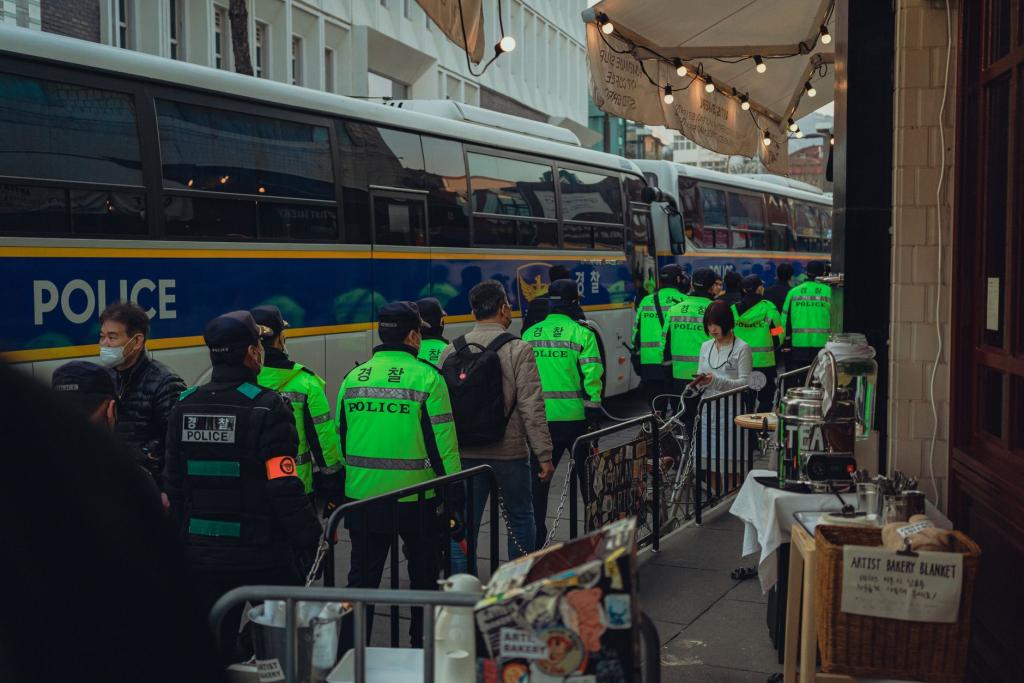
The France cost of living protests turned violent on Saturday, with clashes between police and demonstrators in cities from Paris to Marseille. According to CNBC, tens of thousands of people angered by rising costs and declining public services took to the streets in some of the country's most violent protests in years.
What happened on the streets
The Interior Ministry said two hundred seventy-two people had been arrested by mid-afternoon after violent incidents involving hooded individuals. Cities named included Paris, Marseille, Rennes, Toulouse and Angers. The day was billed as a nationwide mobilisation, and it delivered scenes that many French people have not seen since the Yellow Vest era.
In Marseille, the country's second-largest city, protesters broke into the town hall. According to Euronews, citing AFP journalists at the scene, demonstrators forced their way through the doors, overturned a bust of Marianne, a symbol of the French Republic, and damaged furniture in the entrance hall. Police later cleared the building.
Earlier in the day, masked protesters had also attacked the front of a municipal police station, setting rubbish bins on fire and throwing smoke devices inside. The mayor said extra police were being sent after talks with the prime minister and the interior minister. Local reports also described a tourism office set ablaze in Lyon.
Why people are so angry
The main grievance is money. Fuel, energy and food prices have spiked in recent months, and the war in the Middle East has pushed up costs across Europe. A survey of two thousand people published earlier this month found that around forty-five percent of French people are worried about the cost of living.
The protests did not start there, though. Reporting from RTE says they began last month at secondary schools in Paris' poorer northern suburbs, where anger over teacher shortages and shabby facilities grew into a broader movement about inequality, public spending and living standards. High school students have been at the front of weeks of rallies.
On Saturday, those students were joined by trade unions, climate activists, parents, farmers, retirees and people wearing high-visibility vests. Protesters answered calls on social media to revive the Yellow Vest movement, which emerged in 2018 against social injustice and a planned fuel tax hike. For months back then, activists blocked roundabouts, motorways and fuel depots every weekend.
The Gen Z angle
This one is hitting young people directly. Nineteen-year-old Paris protester Lola told reporters that people were fighting because the cost of living is too harsh and the price of fuel is too high. She also said high school pupils were being violently attacked just for trying to ask for more teachers and decent learning conditions.
That mix of rent, fuel and food prices, plus crumbling classrooms, is the sort of squeeze many Gen Z readers know from their own countries. It also shows how a school-level complaint can snowball into a national movement once social media gets involved. Some marchers in Marseille shouted that they were taking the Bastille, a deliberate nod to the French Revolution.
Put simply, the France cost of living protests are about whether ordinary households can still afford a normal week. Rent, petrol and groceries have all climbed, and many young people say their schools and local services have not kept up. That frustration was visible in every city on Saturday, even among marchers who stayed peaceful and condemned the violence around them.
Observers also point out that the movement has no single leader or party behind it. That makes it harder for the government to negotiate with and harder to predict. A loose online network can call people out within hours, which is how a handful of school walkouts turned into a nationwide day of action in only a few weeks. Unions say they will keep pushing for wage and price measures, while student groups want a clear plan to hire more teachers and repair buildings.
What comes next
President Emmanuel Macron has appealed for calm. Police tactics are also under scrutiny after reports of tear gas, water cannon and serious injuries during the day. Several outlets reported looting of shops in Marseille, Lille, Nice and Paris, which hands the government an easy talking point about disorder.
The bigger question is whether the government can answer the cost-of-living anger with real relief before the movement hardens. Protesters have vowed to make the government tremble, according to AFP. Expect more demonstrations, and expect the numbers on arrests and damage to keep changing as officials publish updated figures. For more on the unrest shaking the continent, see our world coverage.
Comments 0
No comments yet. Be the first to share your thoughts!
Leave a comment
Share your thoughts. Your email will not be published.