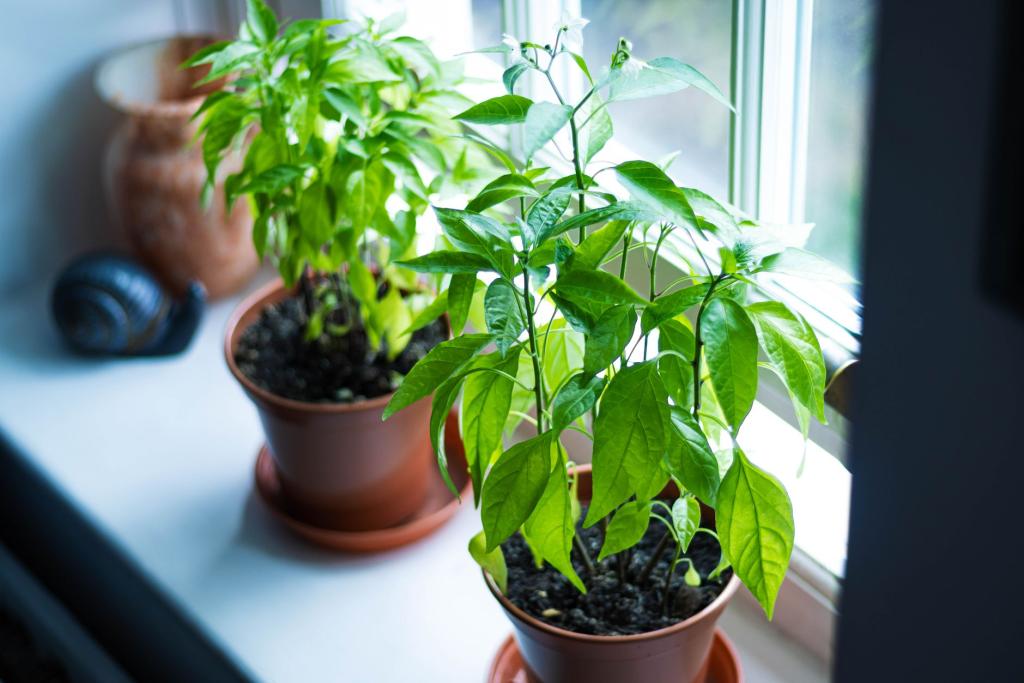
Your houseplant collection might be doing more for you than decorating your rental. A new winter wellness report analyzing search trends across American cities found that Gen Z is the generation most likely to add new plants to the home as part of a Winter Blues routine. On average, Americans already own between two and three houseplants, and interest in greenery spikes sharply during the darkest months of the year.
The findings come from a Stacker winter wellness report published in October, which looked at how people search for indoor plants, plant care, and houseplant shopping when the days get short. According to the report, the cities where residents search most for support with seasonal affective disorder are also the cities where houseplant interest runs hottest, suggesting greenery has become part of how many people cope with winter.
The cities googling plants are also googling SAD
The overlap is striking. Atlanta ranks first in the country for winter houseplant searches, followed by Minneapolis and Cleveland. Those same Midwestern cities also rank among the top three places searching most for seasonal affective disorder support, drawing a direct line between the winter mood dip and the urge to bring something green indoors.
The pattern holds well beyond the top three. Orlando, Seattle, St. Paul, Cincinnati, and Pittsburgh appear on both lists, while Denver, Miami, Baltimore, Las Vegas, and Portland also show strong winter interest in houseplants. The mix spans traditionally cold-weather climates and sunnier regions, which points to a shared trigger rather than a local one: reduced sunlight, earlier sunsets, and long stretches spent indoors.
Why greenery works when the days get short
The report frames houseplants as a low-cost, low-effort way to enliven home spaces and create a sense of calm when the outdoors goes gray. Importantly, the data does not suggest plants replace real treatment or time outside. Americans are tackling the colder months actively, from prioritizing outdoor sunlight to embracing houseplants as mood-boosting companions, rather than simply enduring the season.
For Gen Z, the plant habit runs deeper than winter coping. Industry data from the 2026 Garden Trends Report found that 41% of Gen Z identify as plant collectors rather than casual owners, treating their shelves as identity statements instead of background decor. The collector mindset shows up in what sells: pet-friendly varieties, compact formats for small apartments, and low-maintenance species that survive busy schedules. Plant retailers report that the final quarter of the year now brings their highest volumes, and problem-solving content about yellowing leaves or watering mistakes draws roughly twice the search interest of basic product pages.
That last detail matters for anyone starting out. People already own the plants; the new priority is keeping them alive, as our own reporting on houseplant culture growing up and what greenery actually does for indoor air has explored. The easiest entry points stay the easiest: snake plants, ZZ plants, and pothos tolerate low light and irregular watering, which is exactly the combination winter delivers. Pet owners should still check toxicity lists before buying, since some popular varieties are unsafe for cats and dogs, and retailers say pet-friendly picks have become one of the strongest drivers of indoor plant sales.
A mood lifter, not a medical fix
It is worth keeping the enthusiasm honest. A pothos on the windowsill is not a treatment plan, and the researchers are clear that greenery is one layer of a broader winter routine that still centers on light, movement, and time outdoors. But that is precisely what makes the finding interesting. The Winter Blues are being met with small, deliberate rituals instead of passive endurance, and for a generation of renters in small apartments, a living thing in the corner counts.
There is also a quieter environmental thread. As large-scale tree planting efforts push the same instinct outward, the houseplant version is its indoor mirror: a belief that being near living things changes how a space feels. The search data suggests millions of Americans already act on that belief every winter.
So if the afternoons are getting darker and the apartment feels smaller, the data has a suggestion. Buy the plant. Learn its name. Keep it alive. The Winter Blues may still visit, but at least something in the room will be growing.
Comments 0
No comments yet. Be the first to share your thoughts!
Leave a comment
Share your thoughts. Your email will not be published.