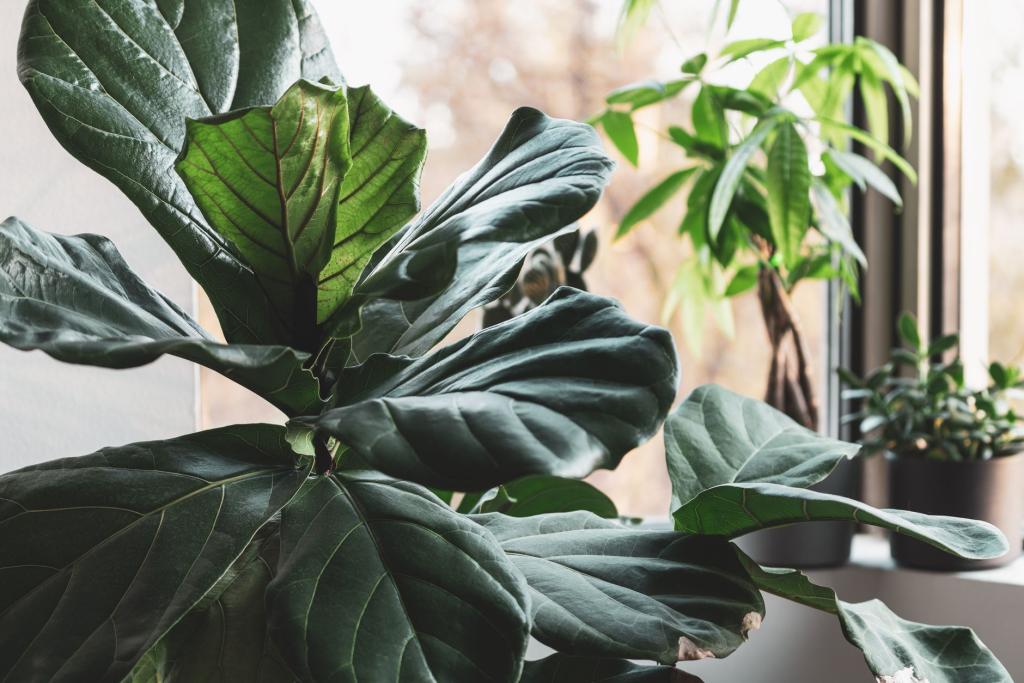
The monstera had its moment, and it was a long one. For most of the 2020s, the split-leaf tropical was the default houseplant of anyone with a shelf and a social media account. Now the National Garden Bureau has made the changing of the guard official: it named 2026 the Year of the Ficus, crowning the fig family — fiddle-leaf figs, rubber plants, weeping figs — as the defining indoor plants of the year. For Gen Z plant parents, the moment is less a trend swap than a sign that houseplant culture has grown up.
The shift is rooted in how young plant owners think about their collections. Houseplants are no longer background decor; they are identity statements. The garden group's latest trends report found that 41 percent of Gen Z respondents identify as plant collectors rather than casual owners. Searches for "plant aesthetic" and "gamer room plant setup" have tripled since 2022, and gaming streamers on Twitch and YouTube now style plant nooks behind their rigs as a matter of course. A ficus, with its sculptural leaves and tree-like presence, reads on camera far better than a trailing pothos.
Money is following the enthusiasm. The global indoor plants market is estimated at 13.6 billion dollars this year, according to Persistence Market Research, and is projected to grow at a compound annual rate of 3.8 percent through 2033, driven by biophilic interior design, urbanization, and demand for plants suited to compact living spaces. That last driver is the Gen Z story: most of the generation rents, often in small apartments, and a potted tree that thrives in a studio corner is a realistic way to claim a bit of green.
Five figs for every floor plan
Part of the ficus appeal is range. The plant retailer Florasense highlights five varieties carrying the 2026 moment: the fiddle-leaf fig (Ficus lyrata), the weeping fig (Ficus benjamina), the rubber plant (Ficus elastica), the creeping fig (Ficus pumila), and Ficus robusta. That spread runs from a ten-foot statement tree to a delicate trailing vine, so there is a ficus for tight budgets, dim corners, and beginners alike.
There is also a functional case. NASA research has shown that ficus plants remove formaldehyde, benzene, and trichloroethylene from indoor air, making the family a working air purifier disguised as decor. (Our own reporting on houseplants and air quality found measurable effects on nitrogen dioxide in small rooms, too.) "Ficus are everywhere because they are incredibly adaptable and stylistically versatile," said Diane Blazek, the bureau's executive director — though she might have added that they are not foolproof. The bureau's care rules are simple: more light is better, with plants thriving within four feet of a bright window, and consistency is everything, since drafts and sudden temperature swings trigger the leaf drop ficuses are famous for.
The family also carries a retro-cool timeline. Rubber trees were a design staple of the 1970s, sitting beside avocado-green appliances; monsteras took over in the 2010s as social media made the split leaf iconic; now the ficus completes the loop as a new generation rediscovers it. Modern cultivars keep the look fresh, with multicolored leaves, creamy margins, and red new growth on rubber plants, plus geometric newcomers like the triangle-leaved Ficus triangularis.
The plant-parent identity shift
The ficus moment is part of a broader 2026 story: plant care is getting smarter and more communal. AI-powered plant care assistants, pairing moisture sensors with apps, can cut overwatering deaths by up to 70 percent, according to a trends roundup from the same plant retailer. Sustainable upcycled planters and LED grow lights are mainstream, and plant communities — swaps, clubs, online groups — are increasingly replacing traditional retail as the place people buy and learn.
That community energy connects to the outdoors, too. Philadelphia's horticultural scene shows the 2026 playbook: PhillyVoice reported that eco-friendly "re-wilding" is gaining ground because it takes an estimated 80 percent less work than a typical garden, while cut flowers are becoming the balcony and patio trend of the year. The pattern is the same one driving the ficus: maximum greenery, minimum fuss, in whatever square footage you actually have.
To be clear, the monstera is not finished. The Pennsylvania horticulture coverage still lists monstera, philodendron, and pothos as collectible staples, and a recent YouTube countdown of the most-bought houseplants of 2026 put the monstera Thai Constellation at the very top, with the fiddle-leaf fig right behind it in the upper tier. Kokedama — plants grown in moss balls — are also rising as a display trend. The real story is not that one plant killed another; it is that the era of a single default plant is over. In its place is a collector culture where a rubber tree says something about its owner that a generic pothos never did. The year of the ficus is really the year the indoor jungle went plural.
If you want in, start honest about your light and habits. A rubber plant or creeping fig forgives a lot; the weeping fig drops leaves at the first draft; the fiddle-leaf fig is, as one extension writer put it, the fashion model of the houseplant world — gorgeous, and demanding. Ficus Audrey is the widely recommended forgiving alternative for fiddle-leaf lovers with less-than-perfect windows. Water when the top inch of soil feels dry, wipe the glossy leaves so they can breathe, and keep the plant away from vents. Browse our Plants and Trees coverage for more ways to grow your indoor world.
Comments 0
No comments yet. Be the first to share your thoughts!
Leave a comment
Share your thoughts. Your email will not be published.