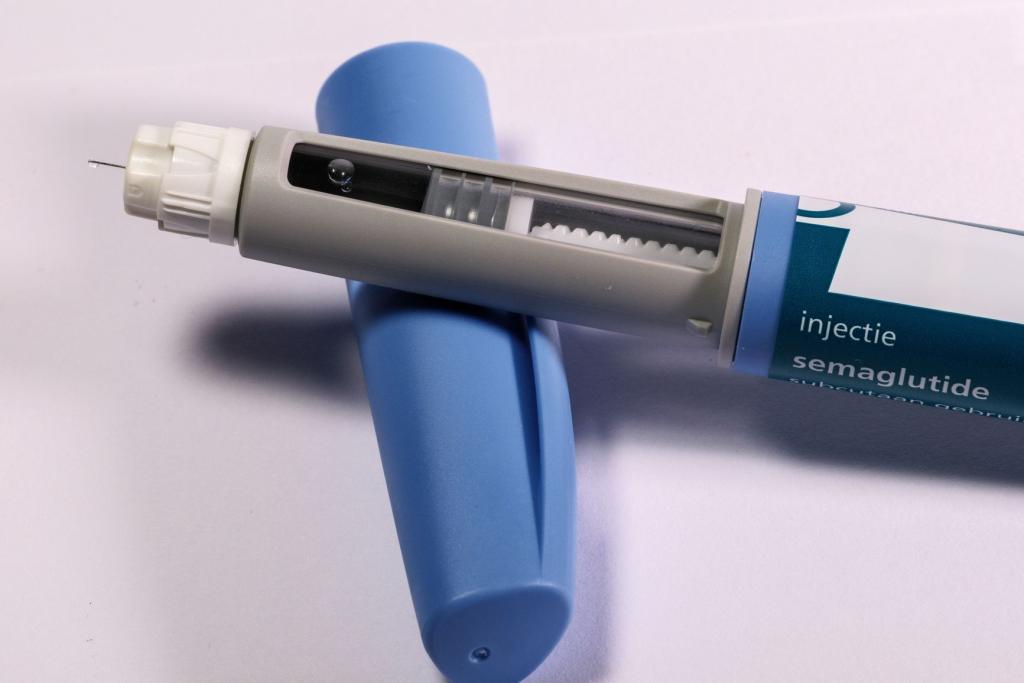
The biggest safety question hanging over Ozempic just got an answer. A regulator-mandated study presented at the European Association for the Study of Diabetes annual meeting in Milan on September 28, 2026, found no link between semaglutide use and pancreatic cancer in nationwide health registries from Denmark, Sweden, and Norway. The research tracked roughly 97,000 people who started the drug for type 2 diabetes and compared them with matched patients taking other diabetes medications — the largest real-world investigation of this specific fear to date.
The numbers leave little room for ambiguity. Among semaglutide users, 131 pancreatic cancer cases emerged across 167,399 person-years of follow-up, versus 123 cases across 140,306 person-years in the comparison group. Incidence rates were nearly identical across all three countries, ranging from 0.64 to 0.91 per 1,000 people per year for semaglutide users and 0.80 to 0.98 for the others. The pooled hazard ratio sat at 0.91, with a 95 percent confidence interval of 0.71 to 1.16 — statistically indistinguishable from no effect. The absolute risk difference was minus 0.10 cases per 1,000 person-years. Crucially, there was no sign that higher doses or longer use raised risk either, and extensive sensitivity checks all pointed the same way, reported by Medical Xpress.
Why regulators forced drugmakers to answer this
The cancer worry did not come from nowhere. Semaglutide belongs to a class called GLP-1 receptor agonists, drugs that stimulate the pancreas as part of how they control blood sugar and appetite. Early safety signals in adverse-event reporting systems, combined with rodent studies showing cellular changes in pancreatic tissue, raised the hypothesis that the drugs might elevate cancer risk. Because GLP-1 medications were occasionally tied to acute pancreatitis in early case reports, some researchers also questioned whether chronic low-grade inflammation could eventually turn dangerous.
As Ozempic and Wegovy exploded into a cultural phenomenon — prescribed for diabetes, then weight management, then seemingly everything in between — that unanswered question grew louder. So regulators made the answer a condition of doing business: as part of semaglutide's original approval, they required a post-authorization safety study estimating pancreatic cancer risk against non-incretin diabetes drugs. This week's presentation is that study, led by Anton Pottegård, a professor at the University of Southern Denmark, and colleagues.
The design was built to be rigorous, according to Medical Xpress. Researchers ran an active-comparator, new-user cohort study: eligible patients started semaglutide or a matched alternative — sulfonylureas, SGLT-2 inhibitors, or insulin — and filled at least two prescriptions in the first year. Follow-up began one year after treatment started, filtering out cancers that were already developing before the drug could plausibly matter. Participants were typically in their early sixties, and the groups were well balanced on baseline characteristics, reducing the chance that sicker patients skewed the results.
What the findings mean for Ozempic users
For the millions now taking GLP-1 drugs — including a fast-growing share of young adults using them off-label for weight loss — the result removes one of the darkest what-ifs surrounding the class. Pancreatic cancer is rare but exceptionally lethal, which is why even a hypothetical link carried such weight. Pottegård concluded that the study "found no increased risk of pancreatic cancer with use of semaglutide as compared to use of other glucose-lowering drugs used at a similar stage" in treatment, adding that the absence of any dose-response pattern and the consistency across countries and analyses "further strengthen the evidence that semaglutide does not increase the risk of pancreatic cancer."
The reassurance matters beyond individual peace of mind. Lingering cancer fears have shaped insurance coverage debates, informed-consent conversations, and the broader public argument over whether these drugs are being prescribed too casually. A clean result on the most feared long-term safety signal strengthens the case that the risk-benefit math favors treatment for people who genuinely need it — though it says nothing about the drugs' other controversies, from muscle loss to the regain that follows stopping.
The caveats you should still know
No single study settles a safety question forever, and the researchers would be the first to say so. The average follow-up after the one-year lag was only 1.40 to 1.85 years — enough to detect a short-term signal, but too brief to rule out effects that might take a decade to appear. Registry data is powerful for its size and completeness, but it is observational: it can show that two groups fared the same, not prove with certainty why. One more detail worth knowing, reported by Medscape: the study was funded by Novo Nordisk, the pharmaceutical company behind Ozempic and Wegovy. That is standard practice for regulator-mandated safety studies, but it is a relevant piece of context. And the study covered people taking semaglutide for type 2 diabetes, not necessarily the younger, healthier weight-loss population now driving the drug's boom.
That said, the finding does not stand alone. Pottegård noted the results align with current external evidence, and the regulator-mandated design means the question was investigated the way agencies wanted, not the way a manufacturer might prefer. For now, the evidence says the pancreas-cancer fear was a false alarm — one that regulators took seriously enough to demand proof, and that three countries' worth of medical records have now answered. Anyone on Ozempic with lingering concerns should still bring them to their own doctor, but the largest dataset assembled on this question points in a reassuring direction.
Sources: Medical Xpress; Medscape.
Comments 0
No comments yet. Be the first to share your thoughts!
Leave a comment
Share your thoughts. Your email will not be published.