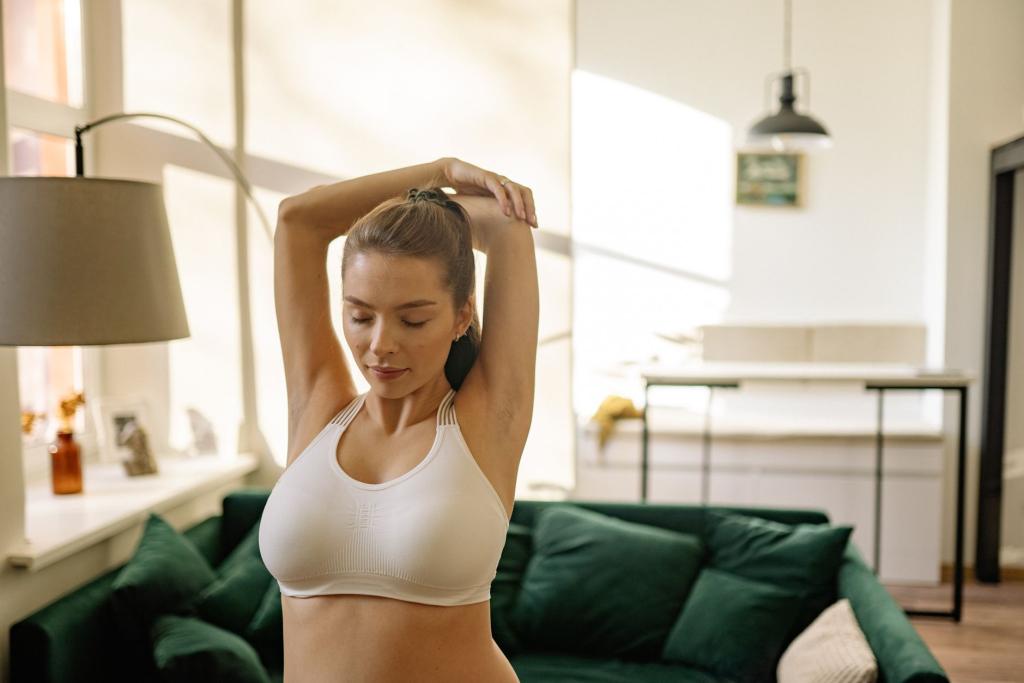
Gen Z is the most measured generation in history. Rings, watches and apps log every step, every REM cycle, every dip in heart-rate variability. Yet all that data has not bought calm: nearly half of college students say they felt anxious and overwhelmed in the past month, according to new research from a digital health company. The finding points to a blunt conclusion — the most powerful wellness tool this generation already owns is not a gadget at all. It is your body clock, and using it costs nothing.
The "Body Clock Report," announced in August 2026 according to the Business Wire release, surveyed 1,000 US college students ages 18 to 25 and found that young adults spend an average of more than a thousand dollars a year on wellness products and health-tracking tools. Eight in 10 respondents use at least one tracker or health app, and among them 58 percent check the data daily. But the information does not always translate into change: one in five tracker users said they had not altered a single behavior because of what their devices showed them. The disconnect between measurement and action is the story of the whole survey — and the strongest argument for putting the body clock back at the center of the routine.
The tracking-action gap
The mood numbers explain why the gap matters. Over the past month, 47 percent of students said they often or always felt anxious and overwhelmed, nearly half also felt emotionally exhausted, and 38 percent felt lonely or socially disconnected. Those figures sit alongside heavy spending on sleep aids: about a third of students used melatonin or another sleep supplement in the past year. Meanwhile more than half of respondents said they had never tried the free alternative — simply going to bed at the same time every night. Nearly one in five students, 17 percent, reported taking a sleep supplement without ever attempting a consistent schedule first. That is a generation paying for fixes while skipping the cheapest one of all: a stable body clock.
The same research found a strong signal for what does work. Students who said they understood their circadian rhythm reported less anxiety, less loneliness and less burnout than their peers. The contrast frames the debate as trackers versus the body clock: the devices show you a number, but a steady sleep window, regular meal times and morning light actually move it. "Shift from 'sleepmaxxing' to 'rhythmmaxxing,'" the company's founder said in the announcement — the practice, as described, means aligning meals, movement, deep work, socializing and sleep to the body's natural 24-hour rhythm.
Why the shift to rhythm is happening now
Other data backs up the appetite for simpler routines. According to a Harris Poll weekend survey of 4,100 adults, reported by Seoul Economic Daily, 74 percent of 18-to-29-year-olds spend more than half of their monthly weekends at home, and 68 percent say going out is not worth the cost. Gen Z and millennials make up just 36 percent of US adults but account for over 41 percent of wellness spending, per McKinsey's Future of Wellness research — yet only 21 percent plan to focus on aggressive optimization through devices or supplements, while far more intend to prioritize everyday routines like sleep, hydration and exercise. The weekend survey also found that 88 percent deliberately avoid alcohol-centered gatherings.
Mental health and sleep top the priority list for 18-to-30-year-olds in a Lumina Intelligence survey of 3,000 respondents across the UK, US and China, reported by NutraIngredients: 51 percent named stress, 48 percent anxiety and 36 percent sleeping difficulty as health concerns, with 85 percent saying they feel stressed or anxious at least sometimes. Tellingly, 45 percent of the young respondents said daily walks were already an embedded habit — another free, rhythm-friendly practice. For readers wondering where to start this week, the body-clock playbook is plain: pick a bedtime and keep it on weekends, get outside within an hour of waking, eat meals at roughly the same times daily, and read more on why meal timing is becoming the wellness story of 2026. The mind-body beat on GenZ NewZ has tracked how these small structural habits outperform splashy purchases.
A note of skepticism is warranted
One caveat before ditching every device: the August findings came from Owaves, a company that sells a body-clock scheduling product, so the survey design naturally flatters its own thesis. Skepticism about vendor-funded research is healthy. And trackers are not useless — for many people, seeing the data is what finally motivates a change, and self-quantifying has pushed plenty of young adults toward better sleep and more movement. The point is not that tools are the enemy. It is that data without behavior change is expensive decoration. Your body clock does not care how many rings you closed; it cares when you slept. A watch can confirm you slept badly for the thirtieth night in a row; only a fixed bedtime changes the pattern. The body clock responds to consistency, not a subscription — and consistency, unlike a thousand-dollar gadget stack, cannot be sold.
Comments 0
No comments yet. Be the first to share your thoughts!
Leave a comment
Share your thoughts. Your email will not be published.