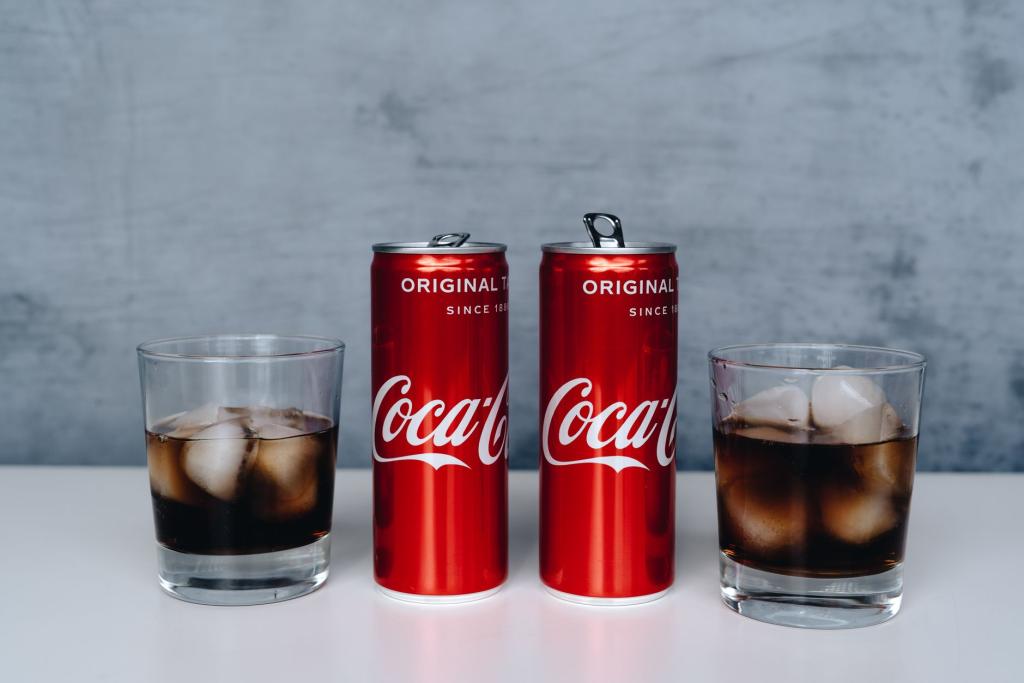
If you have ever felt a flicker of guilt reaching for a Diet Coke, science just gave you a break. A two-year randomized trial found that diet drinks perform essentially the same as water for weight management — no meaningful difference between the two groups after 104 weeks. For anyone who swaps sugary soda for zero-sugar versions and wonders whether the trade is secretly backfiring, this is the longest randomized test of that question ever run.
The headline numbers: 493 adults with overweight or obesity joined a structured behavioral weight-management program while drinking either water or commercially available diet beverages every day. After two years, the diet-drink group had lost an average of 4.8 kilograms while the water group had lost 3.7 kilograms — a gap the researchers judged not statistically significant, meaning they interpreted the outcomes as equivalent. The weight reduction held up across the full two years, including a final twelve months when participants were no longer receiving the structured program.
Beyond the scale, the two groups looked remarkably alike. Reductions in waist and hip measurements, shifts in body composition and several metabolic markers moved in the same direction for both. There were no clinically meaningful differences in measures like blood pressure and cholesterol, and both groups cut their sugar intake, with the reduction slightly greater among the diet-beverage drinkers. The team said the results give no support to the idea that low- and no-calorie sweeteners disrupt appetite regulation in a way that sabotages weight control.
How the trial worked
Researchers from the University of Liverpool and the University of Leeds ran what they describe as the longest and most comprehensive randomized trial of sugar-free soft drinks to date. Volunteers were randomly assigned to drink either water or diet beverages sweetened with one of three common non-nutritive sweeteners — aspartame, acesulfame-K or sucralose — at levels well within European food-safety thresholds. The findings were published in the British Journal of Nutrition, and according to Medical Xpress's reporting on the trial results, the two groups' weight trajectories stayed effectively neck-and-neck from start to finish.
Why this study exists: the sweetener debate timeline
This trial, known as SWITCH, was built to answer a controversy that has been simmering for years. In May 2023, the World Health Organization issued guidance advising against using non-sugar sweeteners for weight control, arguing that observational studies had not shown long-term benefit. The recommendation frustrated sweetener supporters, who argued that observational data cannot settle the question — only a long randomized trial could. The Liverpool-led team had already published shorter-term results in 2023, and these two-year outcomes are the long-term evidence the debate had been missing.
Study lead Joanne Harrold said, as reported in the trial coverage, that "concerns about sweeteners disrupting appetite or causing weight gain are not supported when tested in a rigorous, long-term randomised trial." Her colleague Jason Halford added that the results provide "the long-term clinical evidence that has been missing from international discussions," noting that for people managing their weight, sugar-free beverages "perform equivalently to water over two years." The Brighter Side of News also reported the two-year findings in its coverage of the study.
What the earlier evidence already hinted at
The two-year result did not arrive completely out of nowhere. The research team had previously reported interim findings from the same trial in 2023, which already suggested that daily diet-beverage consumption was not driving weight gain compared with water. What was missing was duration: most earlier randomized trials of sweeteners ran for weeks or months, while the observational studies that worried the World Health Organization followed people for years but could not control for the fact that heavier people are simply more likely to reach for diet drinks in the first place. By keeping participants on a defined beverage assignment for two full years — with the final year free of any structured program — the SWITCH trial effectively closed that gap.
According to the researchers, that makes this the first randomized evidence directly addressing the 2023 World Health Organization guidance. Whether it changes policy is another question: the guidance drew on a broad evidence review, and the researchers themselves say one trial, however long, is a single data point.
The fine print worth reading
No single trial settles a debate, and this one has caveats. The research was funded by the American Beverage Association, the industry trade group for soft-drink makers — though the team says it was fully independent, with complete control over the analysis and how the findings were reported. Coverage of the trial has also noted substantial dropout over the two years and a single study site, both of which temper how broadly the results can be applied.
And the study does not say diet drinks help you lose weight or are somehow better than water. Water remains a calorie-free option without any added sweeteners, and the researchers were careful to say their work does not establish that zero-sugar beverages are necessary for weight loss. What it does say is narrower but still useful: replacing sugar-sweetened drinks with diet versions did not lead to greater weight gain or measurable disruption of appetite over two years. For a generation raised on sparkling water and zero-sugar energy drinks, the practical takeaway is simple — the can is not secretly undoing your progress, but it is not doing the work for you either. Related nutrition research on when you eat matters is worth a look too, and you can browse more coverage on the Mind & Body topic page.
Comments 0
No comments yet. Be the first to share your thoughts!
Leave a comment
Share your thoughts. Your email will not be published.