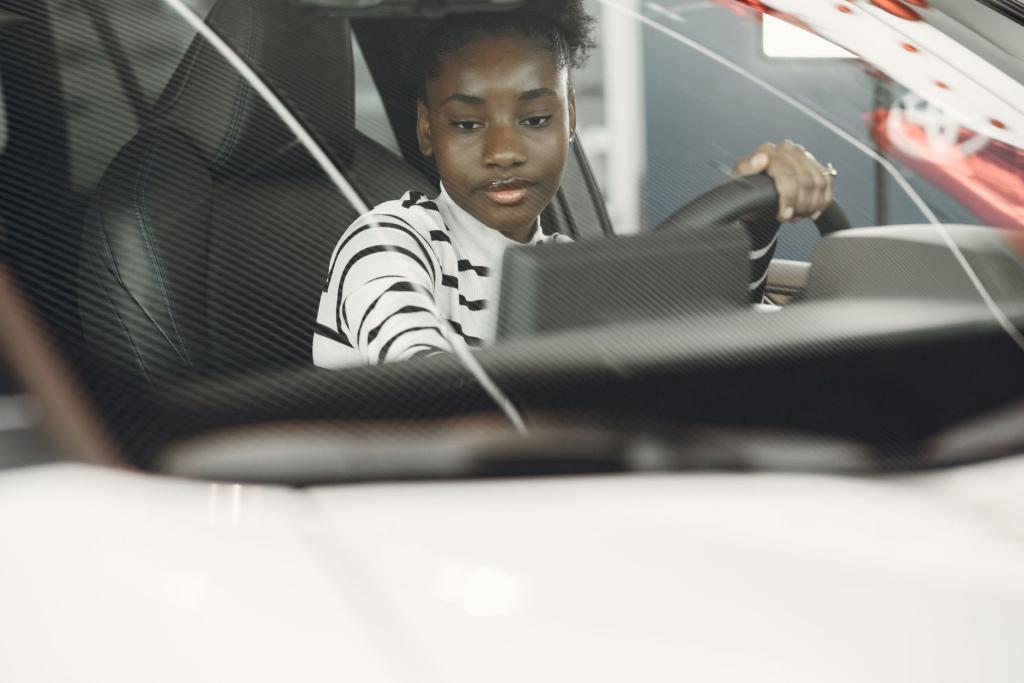
Forget the stereotype of the license-shunning zoomer who would rather rideshare than drive. A new survey suggests young adults are actually Learning to Drive earlier than their parents did, getting behind the wheel at seventeen or eighteen in numbers the older generation never matched.
The findings come from a survey of nine hundred drivers carried out by the insurance broker Gallagher and reported by the Westmeath Examiner in mid-October 2026. Among drivers aged eighteen to twenty-four, just over two in five said they started learning at seventeen or eighteen, compared with only three in ten motorists aged forty-five to fifty-four. Three-quarters of the youngest group had begun before their twenty-first birthday, while only six in ten of the over fifty-fives could say the same.
The gender gap is narrowing but still visible. Men in the survey started learning around a year earlier than women on average, at twenty-one point four years versus twenty-two point three. Late starts, meanwhile, are rare: only a small fraction of respondents began after thirty, and the survey found virtually nobody picking up driving for the first time after fifty.
Where you live decides when you learn
Geography turned out to be one of the strongest predictors. People in rural areas were far more likely to begin lessons at the legal minimum age than city dwellers, a pattern the researchers link to thin public transport outside the cities. Dubliners were the least likely to begin at the legal minimum age, while residents of Munster were the most likely to get an early start. For a teenager in a village with one bus a day, a license is less a milestone than a necessity.
That practicality cuts against the popular narrative that young people have fallen out of love with driving. Car ownership may be expensive and city parking may be miserable, but Learning to Drive is quietly becoming more popular, not less, at least in Ireland. The data suggests the generation often described as the least car-obsessed in history still sees real value in being able to drive, even if what they do with that ability looks different from their parents' daily commute.
What Learning to Drive actually buys
Ask the experts and the license is about options, not horsepower. Geraldine Kelly of Gallagher said learning to drive is one of those milestones that can shape a life in ways people rarely appreciate at the time. Whether it means landing a first job, commuting to college, reaching opportunities further from home, or simply traveling independently, she said, a license gives people choices that stay with them for life. That framing lands differently for a generation navigating patchy transit, shift work and college towns that assume you have a car.
For Ireland's youngest workers, the timing matters. Delivery shifts, care jobs and trade apprenticeships often list a full license as a requirement, and rural employers routinely expect one. In that context, starting lessons at seventeen is less about car culture than about keeping career doors open, a calculation that looks a lot like the generation's broader habit of collecting credentials early.
There are caveats worth keeping in mind. The survey covers Ireland, where the rural transport gap is especially stark, so the pattern may not travel neatly to every country. It was also commissioned by an insurance broker, a business with an interest in more licensed drivers. And a license is not the same as a car: lessons, tests and insurance still put real driving out of reach for plenty of young people who hold the plastic card.
Still, the direction of travel is hard to miss. For all the talk of Gen Z abandoning the automobile, the youngest drivers on the road got there faster than anyone before them. The car may be changing, from ownership to access, from commuting to weekend freedom, but the urge to grab the keys early does not seem to be going anywhere.
Related: Gen Z keeps moving, from Alaska losing young adults faster than any state to the year-end job search wave and the rush back to real-life gathering spots.
Comments 0
No comments yet. Be the first to share your thoughts!
Leave a comment
Share your thoughts. Your email will not be published.