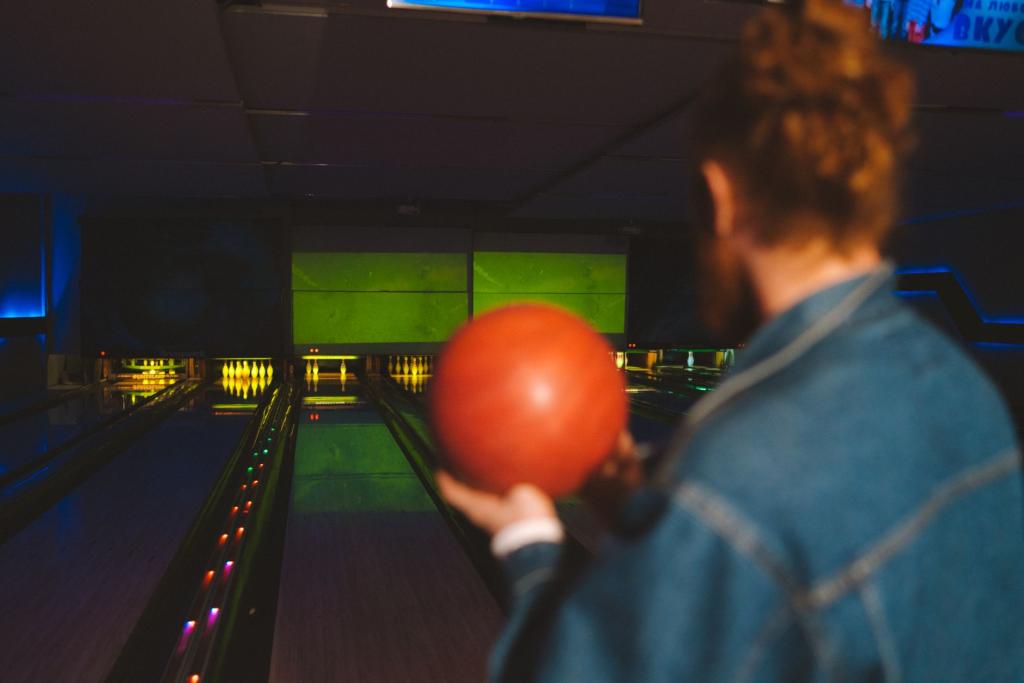
Trading the Feed for Bowling Lanes has become one of Gen Z's favorite weekend rituals. Across the country, young adults are swapping another night of scrolling for rental shoes, neon lanes and a low-stakes game with friends — and the money trail shows it is much more than a passing vibe.
Bowling alleys have quietly become the new third place: not home, not work, but the spot where the group actually meets. The glow-up is complete — craft cocktails with pun-heavy names, slow-motion clips under black lights, and league nights that double as content sessions. What used to read as a dusty relic of birthday parties is now one of the fastest ways to get twenty people in a room without a single group-chat meltdown.
The business case is real
The numbers back the revival. Lucky Strike Entertainment, the operator behind hundreds of bowling centers across North America, said fiscal 2026 revenue rose about four percent to more than one and a quarter billion dollars, with adjusted earnings topping three hundred million, according to the company's fourth-quarter results.
Retail bowling and shoe revenue climbed nearly three percent on a comparable basis, league revenue rose by more than three percent, and food sales jumped eight percent. Events — a business line management had flagged as a key growth opportunity after years of decline — turned positive in late spring and stayed positive through the summer. The company is forecasting comparable-sales growth of one to three percent in the new fiscal year.
The market behind it is growing too. Research firm Dataintelo estimates the global bowling market topped eight billion dollars last year and is on track to approach twelve billion within a decade. North America accounts for nearly two-fifths of that revenue, driven by a mix of casual family entertainment and competitive circuits, according to the firm's market analysis.
The professional side is investing as well. The Professional Bowlers Association expanded its management team this fall in partnership with the big center operator, aiming to grow leagues and brand partnerships globally, as reported by industry coverage of the move.
Why the lanes work for a burned-out generation
The formula is brutally simple: no tickets, no reservations, no dress code. You walk in, grab a lane, and the phones go face-down. As the operator's own blog put it, the best screen-free nights are the ones where you forget you were trying to be screen-free — competition takes over, the group energy builds, and "by the end of the night, you have stories instead of screen time."
Industry analysts have a name for the shift: competitive socializing. Bowling suppliers say casual lane bookings are increasingly driven by younger visitors looking to trade traditional nightlife for active, shared experiences. The owner of one bowling equipment company said modern lane environments are filling with young adults who treat the sport as a weekly physical recovery and mindfulness routine, describing it as a tactile, screen-free sport that doubles as a sober-curious social space.
Then there is the aesthetic. Vintage neon, funky carpets, glow-in-the-dark cosmic nights with DJs — the alley is essentially a content creator's dream. Alleys have evolved into social hubs where grabbing a ball is just the entry ticket: the real product is the hang, the group photo, and the running joke about someone's gutterball.
For many, Trading the Feed for Bowling Lanes is also the cheapest big night out left. A few games, shoe rental and shared nachos still cost less than a single round of cocktails downtown — and nobody needs to be good at it. Beginners are the whole point.
The counterpoint: alleys don't live on lanes alone
Here is the part the neon doesn't show: bowling alone barely pays the bills. The real money is in food, events, arcades and corporate buyouts — lanes are the anchor, not the business. Some operators have gone further, converting struggling alleys into multi-use community spaces with retail and dining, a reminder that the venue only survives if it stays useful between frames.
The boom is also casual, not committed. League play still skews older, and the new wave is renting shoes, not buying custom balls. If the trend cools, centers will lean harder on birthday parties and office outings than on the Gen Z regulars filling lanes tonight.
Still, the timing is hard to beat. A generation that treats the gym as a social club and the run club as a dating app was always going to find the bowling alley eventually. The shoes are ugly, the lights are neon, and the group chat finally has somewhere to go.
On the same theme of reclaiming real life, see how the gym became Gen Z's new social hub, how Sober October has Gen Z remixing the home bar instead, and how dopamine menus became Gen Z's trick against doomscrolling.
Comments 0
No comments yet. Be the first to share your thoughts!
Leave a comment
Share your thoughts. Your email will not be published.