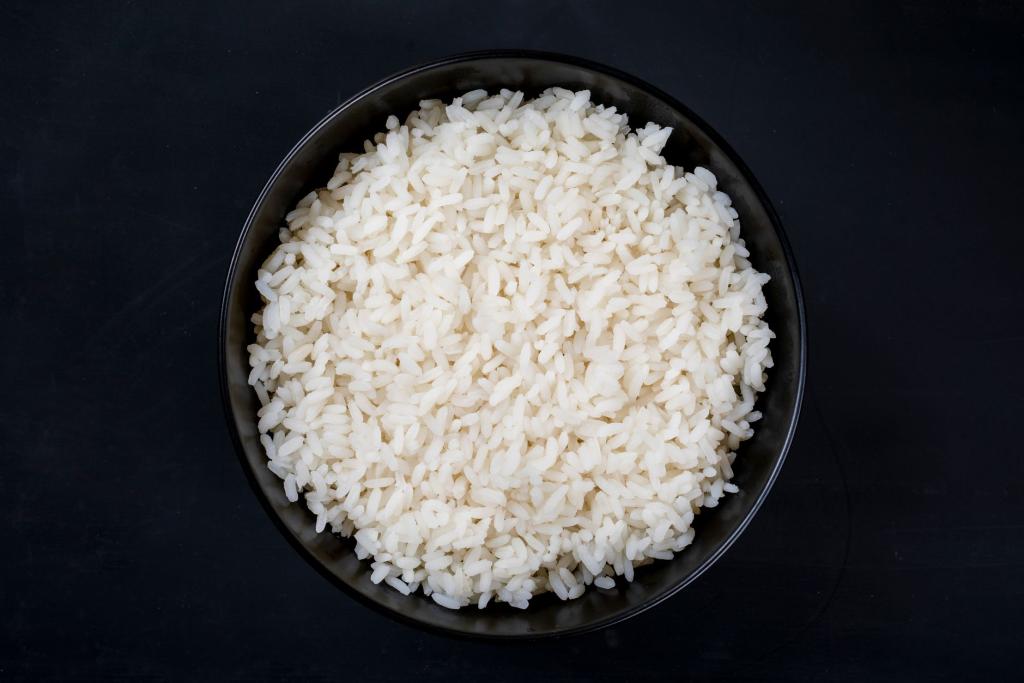
Somewhere between the gym and the group chat, dinner has collapsed into its barest form: a bowl of ground beef and white rice that looks like something you would pour from a pet food bag. It has a name, boy kibble, and Gen Z men are eating it, filming it and defending it with total sincerity.
The trend is the internet's newest protein obsession, a stripped-down meal that asks nothing of the cook beyond a skillet, a rice cooker and low standards for variety. According to BankB.it's reporting this week, some men on social media admit to eating the dish as many as seven times in a single week, treating it as a cheap, repeatable way to load up on protein and build muscle. Flavor is beside the point. It works, and that is the whole pitch.
Boy kibble is the male-coded answer to girl dinner, the 2023 viral meal where women assembled charcuterie-style plates of crackers, deli meat, olives, fruit and leftovers and called it dinner. NPR reported that both trends run on the same engine: minimal effort, maximum routine. Girl dinner celebrated not cooking at all. Boy kibble celebrates cooking like it is a systems problem.
Why a bowl of beef and rice blew up
Protein is the macronutrient of the moment, and the food industry is racing to cash in. BankB.it noted that Dunkin' recently rolled out iced protein lattes while Doritos is preparing protein-forward products of its own, companies chasing demand that trends like boy kibble helped create, a protein craze already reshaping fast food menus. For young men raised on gym culture and its body-image pressures, the bowl is the purest version of the craze: nothing to think about, barely anything to chew on.
Convenience is the other ingredient. Marquis Hawkes, a government contractor and part-time personal trainer, told NPR that a batch takes about fifteen to twenty minutes to prepare, and he eats it three to four times a week. He plates his with diced onions, peppers and a drizzle of hot honey, and says the lighter meals leave him feeling ready to get back to work instead of ready for a nap. The formula is forgiving: swap beef for turkey, rice for quinoa or pasta, and the macros barely move.
Erik Rokisky, a Los Angeles-based personal trainer, told NPR he prefers potatoes over white rice, since they bring more fiber and fewer calories to the bowl. He also warned that white rice is easy to overeat when nobody is weighing portions, and made a broader point that the macro obsession can blind people to micronutrients, which he said shape everything from brain chemistry to everyday eating habits.
What the doctors actually think
The medical verdict is less enthusiastic than the comment sections. Zachary Mulvihill, a clinical professor and physician at Weill Cornell Medicine and NewYork-Presbyterian Hospital, told NPR that the trend's biggest flaw is what he called a glaring absence of fiber and vegetables in the typical bowl. His rule of thumb: half of a plate should be vegetables, with carbs and protein splitting the rest, which means the classic boy kibble plate is missing half of what it should contain. His fix is almost comically simple: toss in some frozen vegetables or precooked beets and keep the convenience.
Mulvihill also gets why it happens. Young people often have little extra time, little extra money and little experience cooking for themselves, he told NPR. Come home exhausted with protein targets to hit, and a one-pan routine beats skipping dinner or ordering in. He added that vegetables are good for muscles too, and that fiber does real work for the gut, not just for the conscience.
Dietitians outside the United States are raising the same flag. Hazel Shore, a registered dietitian with the UK's Phlo Clinic, warned in a review of viral TikTok food trends that no single meal can deliver everything the body needs, and that eating the same plain bowl on repeat risks missing out on vitamins, minerals and variety. Her broader point: a healthy diet should be one people actually enjoy eating, and boy kibble, by design, asks its eaters to stop caring about that part.
None of this is new
Strip away the branding and the trend is ancient. Adrienne Bitar, a food studies lecturer at Cornell University, told NPR that people have been eating like this all along. It just never got celebrated publicly because it was too boring to mention. Stone soup, porridge and stew have kept people alive for centuries on the same principle: simple, repeatable, reliable fuel.
Bitar drew a sharp line between the two viral meals. Girl dinner, she explained, gets its joy from skipping the cooking labor entirely, labor that has historically landed on women and gone uncelebrated. Boy kibble inverts it: the labor becomes the point, reduced to a rational, once-a-week operation that gets reheated through the week. She described it to NPR as optimization rather than cooking, less an act of love or flavor than a system for hitting numbers. A survival strategy for a generation too busy to cook, where the peak of optimized human nutrition turns out to look like the contents of a dog bowl.
That self-awareness is part of why it keeps spreading. Boy kibble does not pretend to be cuisine. It is a joke you can eat: cheap, protein-dense, honest about itself. Whether it grows up into something more balanced, with the vegetables Mulvihill keeps prescribing, will say whether the protein craze matures into actual nutrition or stays a meme with macros.
Comments 0
No comments yet. Be the first to share your thoughts!
Leave a comment
Share your thoughts. Your email will not be published.