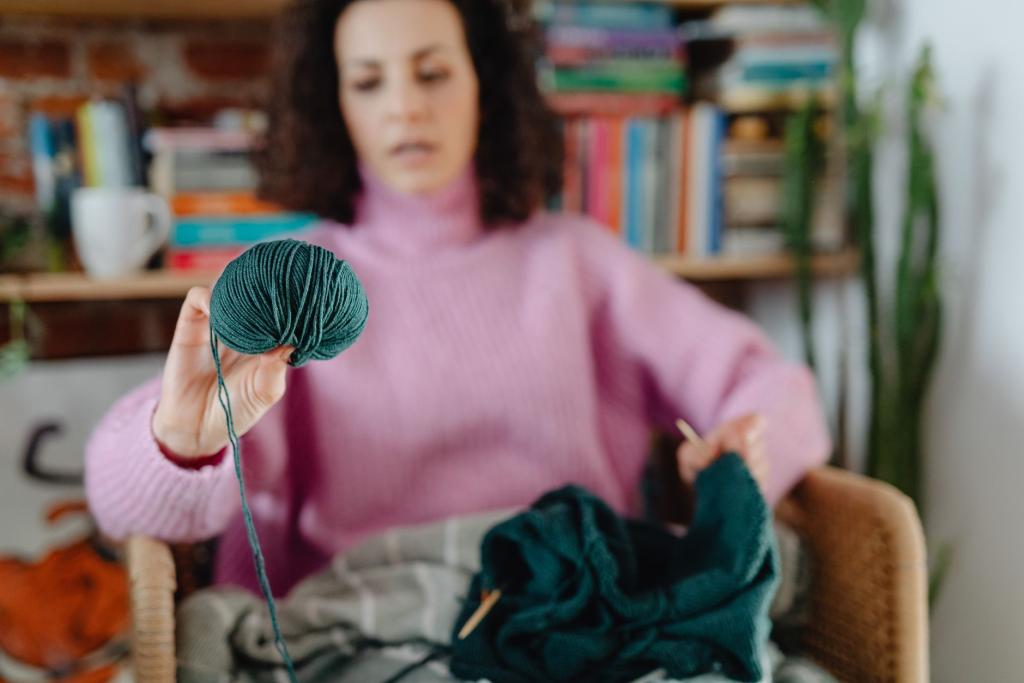
The Grandma Hobby Boom is not a joke your group chat invented. Picture a Friday night: twenty-somethings gathered in a warm cafe, phones face-down on the table, passing around skeins of yarn and laughing over lopsided stitches. That scene has become the face of the Grandma Hobby Boom, the label young people have given to their sudden embrace of knitting, crochet, embroidery, needlepoint and sewing as a social life.
It is not just a meme. According to the Michaels Creativity Trend Report, covered by The World Reviews, online searches for embroidery, knitting and crochet jumped 136 percent in six months. The same coverage notes that yarn sales climbed 40 percent. Fortune has reported a parallel sewing revival among young people desperate to get off their phones. The numbers describe a market where the newest customers are also the youngest.
YPulse, a youth research firm, reports that 73 percent of crocheters are between 18 and 34. Mintel's US Arts and Crafts report found that 71 percent of American consumers now describe themselves as crafters. And the Wall Street Journal reported in 2025 that the overwhelming majority of Gen Z calls itself crafters, discovering knitting and crochet through TikTok and Instagram. Three different datasets tell the same story from three different angles.
Why hands are beating the feed
Retailers point to one driver above the rest: screen fatigue. A Pew survey of about 9,750 adults found that roughly half of American adults consider their own smartphone use excessive. Knitting and crochet offer a built-in break from passive scrolling, and the repeated motion of a stitch gets framed as meditative and self-soothing. For a generation raised with a phone in hand, a printed pattern and a ball of yarn can read as a quiet act of rebellion, part of the same impulse driving the phone-tired generation back toward film cameras and paper notebooks.
The social format has changed, too. Craft nights, clubs and workshops have turned traditionally solitary hobbies into group activities. Martha Stewart's crafting coverage noted that a large share of Gen Z and millennials expressed interest in joining a craft club, and the appeal is obvious: nobody has to host, nobody has to perform, and everybody leaves with something they made. Crafting has become the rare hobby that is both screen-free and social, the same appetite for slower leisure behind the cozy gaming boom.
There is a sustainability thread as well. Visible mending, thrifted yarn and handmade garments sit comfortably inside the underconsumption mood that has young shoppers questioning fast fashion. A handmade sweater carries an emotional attachment that a disposable tee never will, and that attachment keeps clothes in circulation longer. The same hands that learned to crochet from a phone tutorial are the ones reaching for recycled fibers and plant-based yarns, turning a leisure habit into a quiet statement about what they buy and why.
The counterpoint: the feed made this happen
Skeptics have a fair question: can a trend powered by TikTok tutorials and Instagram project photos really be called analog? The platforms that deliver the screen fatigue also deliver the stitch-along videos, and discovery still runs through creators. The Grandma Hobby Boom, in other words, is a digital trend about leaving the digital world, and it remains to be seen which impulse wins.
Cost is the other caveat. Quality yarn and notions add up, and a hand-knit sweater can cost more in materials than a fast-fashion equivalent. The boom could quietly split into two hobbies: the aspirational craft hauls sold online, and the low-cost mending-and-making practiced offline. What happens next depends on which version young crafters actually keep doing once the novelty fades.
For readers, the takeaway is practical: the barrier to entry is a hook, a ball of yarn and a free tutorial. Libraries and community centers increasingly host stitch nights, and craft stores have expanded their yarn aisles to meet the demand. Whether the Grandma Hobby Boom lasts or not, a generation is learning that the opposite of doomscrolling is not willpower. It is a finished scarf of your own.
Comments 0
No comments yet. Be the first to share your thoughts!
Leave a comment
Share your thoughts. Your email will not be published.