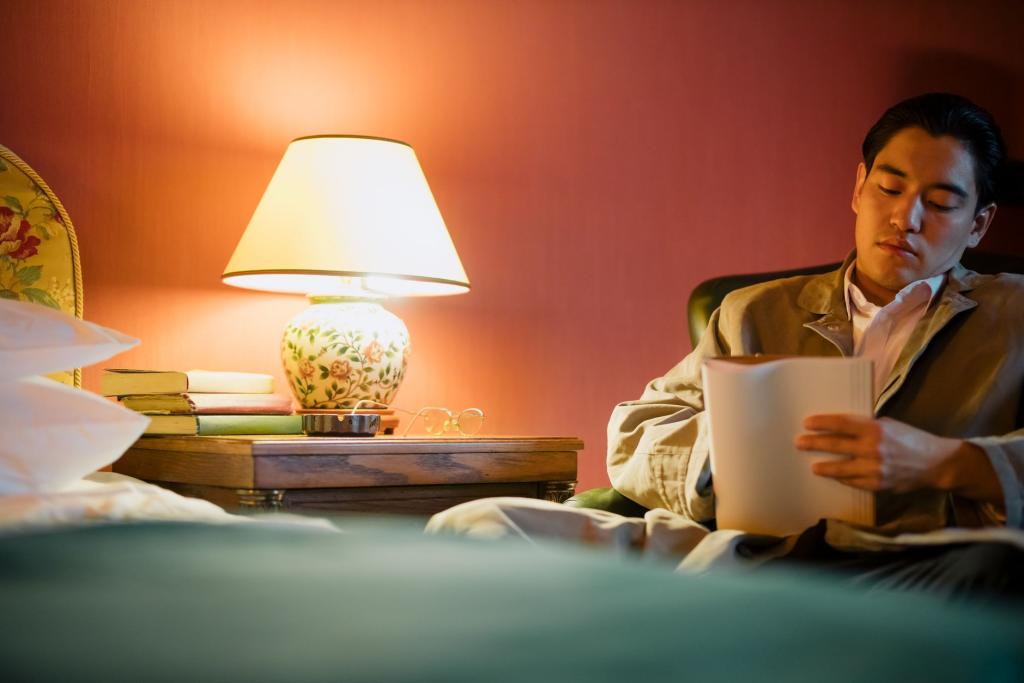
Three in four young Americans now see themselves in Soft Hermitting, the deliberate choice to turn down plans and stay home. In a new PapersOwl survey of 3,000 Americans aged 18 to 28, 77% said the description sounds like them, while only 9% rejected it outright. The same study found the joy of missing out beating the fear of it by roughly two to one: 50% said they feel fine or good about missing out, compared with 27% who said they feel anxious or disappointed.
The findings were released this month through a statement reported by GlobeNewswire, and the full research appears in PapersOwl's Insights report on how Gen Z is writing the new rules of doing less. The survey was fielded in August and asked respondents not only what they do, but why they do it. That second question is where the story gets interesting: the reasons behind the behavior look quite different from how they are usually described online.
Money Beats Mental Health as the Real Reason
Among respondents who actively enjoy missing out, 61% said staying home saves money and 60% said it gives them back time and energy. Only 29% described the decision as primarily about mental health. The headline version of this trend usually gets told as a wellness story, but the people living it tell it as an economics story.
"Money is the loudest reason in the entire study. People are not withdrawing from social life, they are budgeting it," said Jamie Thompson, Director of Cultural & Behavioral Insights at PapersOwl. "The economics are doing most of the work." When the survey asked what had tipped people over an emotional edge during the summer just past, the bill beat everything else: money was the leading cause of a summer crash-out, ahead of heat, poor sleep and the pressure to keep up with everyone else's season.
That budgeting mindset shows up all through the data. More than two in five of the people who stay home said going out simply costs too much, and roughly a third said they are burned out from work or school. For readers feeling the same squeeze, the pattern may be familiar: skipping the night out is less about not wanting company and more about what the night out costs in money and recovery time. It fits a broader shift in how Gen Z thinks about money, where every expense gets weighed against a tight budget.
Men Name the Cost, Women Name the Drain
The survey found men and women opt out at similar rates but explain it differently. Among the people who stay home, 50% of men said going out costs too much, compared with 35% of women. Meanwhile 61% of women said socializing drains them, versus 50% of men. Men were also more likely to pick activity-based hangouts because they are cheaper, while women were more likely to describe offline time as feeling calmer and more present.
One finding ran against the stereotype: when asked why missing out feels good, 38% of men named mental health, compared with 18% of women. Women leaned slightly more toward FOMO overall, at 31% versus 24% of men, describing the social calendar in emotional terms while men leaned practical. The survey suggests Soft Hermitting is not a fringe habit but the majority experience, and the framing split between the sexes is real even if it is not a clean rule.
The Vocabulary of Doing Less
The survey tested a whole lexicon of trends, and most of them describe real behavior. Carrying an "analog bag" — a book, journal or sketchbook packed as a screen-free alternative to the phone — is now a coin flip: 51% do it regularly or sometimes, and among those people 41% said the goal is rebuilding their attention span. Only 9% said the aesthetic itself is part of the appeal.
The much-hyped dumb phone, by contrast, is the trend almost nobody follows: just 9% use a basic handset regularly, while 44% have never considered one. That gap between the discourse and the behavior is striking, even as shoppers keep an eye on cheaper phones for other reasons. Socializing itself has been redesigned too: 51% actively choose low-pressure hangouts built around an activity, and only 5% would rather have a conversation-first evening.
And the summer crash-out is widespread. According to the survey, 54% said they hit an emotional breaking point during the summer, 27% more than once, with money named as the leading cause at 58%, ahead of heat and poor sleep at 46% and comparison pressure at 43%. The season meant to be a break turns out to be the season that costs the most — in travel, events, rounds and festivals — and the toll shows up in late-night habits and health as well as in bank balances. The numbers were also picked up in independent coverage of the release, as reported by Digital Market Reports.
Rationed, Not Abandoned
None of this reads as a generation going antisocial. The survey found 82% of respondents open to activity-based hangouts, and most people still want connection — they just want it at a price they can afford in money, energy and attention. The practical takeaway is permission to treat the social calendar like a budget: pick the plans worth the spend, choose formats that cost less, and skip the rest without guilt.
The counterpoint is worth stating plainly: budgeting a social life is not the same as nourishing one. A habit of declining can harden into avoidance if the reason is fear rather than finance, and genuine isolation carries real costs. The survey's own numbers suggest the line is holding for now — people are still showing up, just on cheaper terms — but it is a line worth watching as the holidays approach.
Put together, the findings describe one behavior, not six: protecting the resources you have left and no longer apologizing for it. Soft Hermitting is the label. The substance is a generation doing the math.
Comments 0
No comments yet. Be the first to share your thoughts!
Leave a comment
Share your thoughts. Your email will not be published.