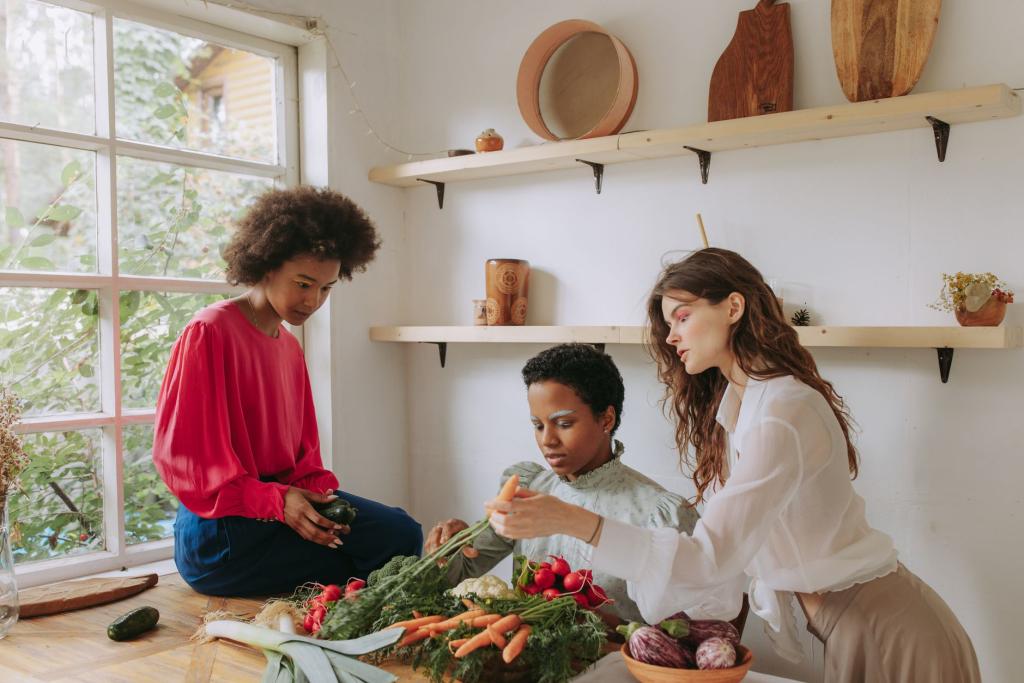
Sober October looks different than it used to. Instead of white-knuckling through the month with soda water and good intentions, a growing number of young drinkers are treating it as a remix project: the home bar cart gets restocked with zero-proof spirits, the group chat gets a batch-mocktail recipe, and the late-night bar run gets swapped for an early-evening hang. Drinking less no longer means sitting out — it means drinking differently, and doing it at home.
The shift is showing up in the data. Research firm CivicScience reports that intent to participate in Sober October is climbing, with Gen Z leading the rise, and that more than half of participants say they are interested in exploring non-alcoholic alternatives during the month. The motivations are broader than any single cause: budgets, sleep schedules, health, and simple curiosity are all pulling the same direction. For many, the month works as a temporary reset — and habits picked up along the way, like ordering a mocktail, tend to stick around afterward.
The night out moved to the kitchen counter
The home bartending boom has been building for a while, and this Sober October is its perfect season. Search data shows the at-home cocktail category still growing this year, with hosting-adjacent terms like hiring a private chef climbing sharply alongside it. The cocktail has quietly become another recipe to master and film: the Hugo spritz surged to hundreds of thousands of monthly searches over the summer, and home bartenders now treat drinks as content the way they once treated pasta.
The industry noticed the change in appetite. Cocktail machine maker Bartesian says its customers never stopped wanting the bar experience — they just stopped wanting the bar markup and the guesswork. "I just think the younger generation is more intentional and it's not about, 'Hey, I don't wanna drink at all,' it's, 'I wanna drink better, less often, and more quality,'" the company's founder told Fox News Digital. That framing captures the whole moment: this is not prohibition energy. It is curation energy.
The shift goes beyond what people drink to when and how they drink it. Bar owners describe a migration of peak hours, with younger crowds favoring a "daycap" — socializing in the late afternoon and early evening, then heading home at a reasonable hour to protect sleep and morning routines. The heavy two-or-three-cocktail night is giving way to smaller, cheaper, slower sipping: half-sized spritzes, split-pour flights, and drinks designed to be sampled rather than finished.
What the Sober October reset actually costs
Here is the catch the movement is still working out: the zero-proof alternative is not always the cheap alternative. Mocktails have grown more expensive alongside their popularity, and the CivicScience data shows participants are price-conscious — just over half would pay ten dollars or less for a mocktail at a restaurant or bar, and only a small slice would pay fourteen dollars or more. Nearly a quarter would not pay for one at all. The home version of the trend, by contrast, costs a fraction: sparkling water, fresh citrus, seasonal fruit, and herbs can carry a whole party without special equipment or a bar tab.
That math is part of why the home bar keeps winning. A batch of fruit spritzers or chilled herbal tea with fresh peaches serves a crowd for the price of a single round out, and a small DIY drink station — juices, fruit slices, herbs, sparkling water — lets guests with different tastes and tolerances all participate. The economics also explain the rise of the "snackable sip": when drinks are smaller and cheaper, ordering one more round of something interesting feels easy instead of extravagant.
The counterpoint worth naming is that the sober-curious wave may be as much about quality as about abstinence. Industry trend research from NielsenIQ found that roughly two-thirds of spirits drinkers and about half of average drinkers say they would pay more for higher-quality drinks — a sign that the generation is not necessarily drinking less so much as drinking with more intention. The same young person mixing a zero-proof margarita on a Tuesday might be the one ordering a single excellent cocktail on a Saturday. Sober October, in that light, is less a vow than a laboratory.
For anyone joining the reset this month, the practical playbook is simple. Start with the basics you already own — sparkling water, lemons, mint, ice, and whatever fruit is in season — and build from there rather than buying a shelf of specialty bottles. Batch the drinks so hosting feels like pouring, not performing. And if the goal is a real break, treat the month as data collection: notice which evenings you actually miss alcohol and which ones you just missed having something in your hand. The answer might reshape more than October. For more on how young home cooks are reinventing the kitchen this year, see our look at the newstalgia comfort-food revival and the dopamine-menu trend.
The home bar remix is, in the end, a fitting Gen Z project: take an expensive, high-pressure ritual and rebuild it cheaper, earlier, and on your own terms. Whether the mocktails outlast October is an open question — but the kitchen-counter cocktail hour is not going back in the cabinet.
Comments 0
No comments yet. Be the first to share your thoughts!
Leave a comment
Share your thoughts. Your email will not be published.