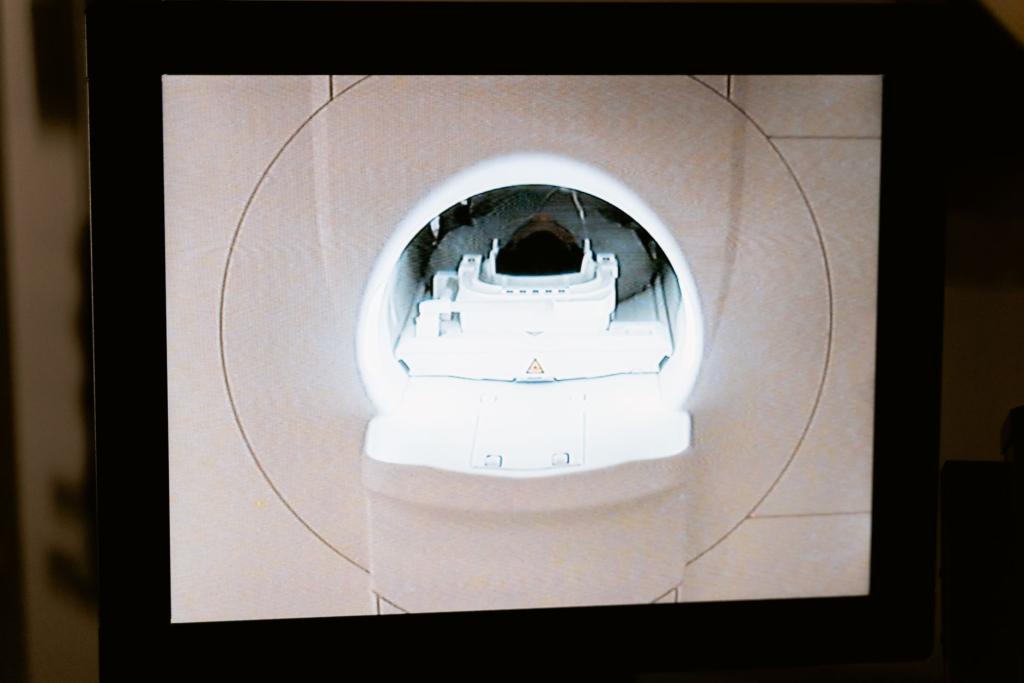
Nearly nine thousand healthy adults got an MRI look inside their heads, and what the scans showed has nutrition researchers paying attention. In a study published in JAMA Network Open, Canadian adults who ate the most ultra-processed foods were 40 percent more likely to carry small areas of brain damage than those who ate the least, according to a report from Medical News Today. The damage showed up only on magnetic resonance imaging, and the people carrying it felt nothing. None of the participants had a history of heart disease, which is exactly what made the result hard to ignore. The study is the latest documentation of ultra-processed foods brain damage turning up in symptom-free adults.
The markers the team measured were white matter hyperintensities and silent brain infarcts, established signs of disease in the brain's small blood vessels. Earlier research has connected them to higher odds of stroke, cognitive decline and dementia later in life. The difference this time is who they showed up in: adults aged 35 to 69, a group young enough that few would expect any vascular brain injury at all. Lead researcher Russell de Souza, an associate scientist at McMaster University's Population Health Research Institute and Hamilton Health Sciences, said the finding is concerning because these are not considered harmless changes. Neurologists reviewed the scans without knowing anything about the participants' diets.
The pattern looked stronger in women. Women in the highest intake group were nearly twice as likely to show the MRI markers as women in the lowest group, the researchers reported. De Souza said the reasons are unclear. Differences in body fat distribution, vascular biology, hormones and the way men and women get ultra-processed foods into their diets could all play a role, and hormonal shifts during midlife may affect how vulnerable the brain's vessels are. He cautioned that the subgroup analysis was small, so the sex difference should be treated as a signal for more research rather than a settled fact.
What the heaviest eaters were actually eating
Ultra-processed foods made up about a quarter of daily food servings across the whole group. Among the heaviest consumers they accounted for 45 percent of servings, compared with 16 percent among the lightest. Whole and minimally processed foods filled 41 percent of servings for the heaviest group, versus 68 percent for the lightest. Packaged snacks, sugary drinks, processed meats, instant noodles and ready meals tended to replace fruit, vegetables and whole grains rather than simply add to them, which suggests that UPFs displace the foods that provide fiber and nutrients instead of sitting on top of a balanced diet. The researchers noted that affordability, convenience and marketing shape those choices, and that the gap could widen existing health inequalities.
What the study cannot prove
The study was observational, so it cannot show that the foods caused the brain changes, although the models did account for other known risk factors for brain injury. De Souza noted that a relative increase of that size on an uncommon condition adds only a few cases per hundred people, so the absolute risk stays modest. The proposed mechanism runs through cardiometabolic damage: heavier UPF eaters also carried more body fat, especially deep abdominal fat, and faced more inflammation, high blood pressure and diabetes risk, all of which can impair the vessels that deliver oxygen and nutrients to brain tissue. But the researchers could not pin down which pathway explains the MRI findings, and diet and scans were measured at a single point in time.
The practical takeaway, according to de Souza, is not a list of forbidden foods. He pointed to affordable options like beans, lentils, oats, frozen vegetables, eggs, plain yogurt, peanut butter and canned fish, and suggested simple swaps such as replacing sugary drinks with water or keeping frozen vegetables on hand for quick meals. Ultra-processed foods are not all nutritionally identical, and the study does not indict every packaged item. It adds to a growing body of evidence on ultra-processed foods brain damage appearing decades before any change in memory or thinking.
Comments 0
No comments yet. Be the first to share your thoughts!
Leave a comment
Share your thoughts. Your email will not be published.