The Ebola outbreak in the Democratic Republic of the Congo has reached 9,235 confirmed cases and 4,444 confirmed deaths, according to the U.S. Centers for Disease Control and Prevention, making it the second-largest on record and the deadliest the country has ever seen. The virus behind it is Bundibugyo virus, a species of Ebola for which there is no licensed vaccine or proven treatment.
The outbreak is the DRC's 17th since the disease was identified in 1976, and it is spreading across seven provinces in the country's north and east: Bas-Uele, Haut-Uele, Ituri, Nord-Kivu, Sud-Kivu, Sud-Ubangi, and Tshopo. The World Health Organization said in a statement that transmission covers 64 health zones, with Ituri province accounting for most confirmed infections. WHO data as of October 6 put the cumulative toll at 8,728 confirmed cases and 4,205 deaths, a crude case fatality ratio of 48.2 percent, before the count climbed further in the following days.
An outbreak moving faster than any before it
The outbreak passed 1,000 confirmed cases within 40 days of the response being activated, compared with roughly 235 days in the DRC's previous major outbreak in 2018, the CDC reported. Its epidemic curve shows the 2026 event tracking well ahead of the West Africa epidemic and the country's earlier outbreak during the opening 180 days. The CDC describes the current event as the second-largest on record, trailing only the 2014 to 2016 West Africa epidemic.
Cases have moved beyond the DRC's borders. Kenya has reported two confirmed cases and a death, its first confirmed importation of the virus. Uganda reported 20 confirmed cases and three deaths, including cases in the capital, Kampala, before its last known patient was released from care on July 16. France confirmed a single imported case with no death, the patient released on July 4. No cases linked to the outbreak have been confirmed in the United States, and the CDC rates the overall risk to the American public as low. More detail on the federal response is available on the CDC's Ebola situation summary page.
The response and its obstacles
Roughly 500 CDC staff are involved in the response, including more than 120 deployed to affected countries, according to the agency. The United States has tightened travel rules: travelers who were in the DRC within 21 days of their flight cannot board commercial flights to the US, and American citizens who have been in the DRC should remain outside the country for a full three-week period before entering. Travelers from Uganda or South Sudan must enter through designated airports for enhanced screening. The CDC advises avoiding all travel to Ituri and Nord-Kivu provinces and avoiding nonessential travel to Haut-Uele and Tshopo provinces.
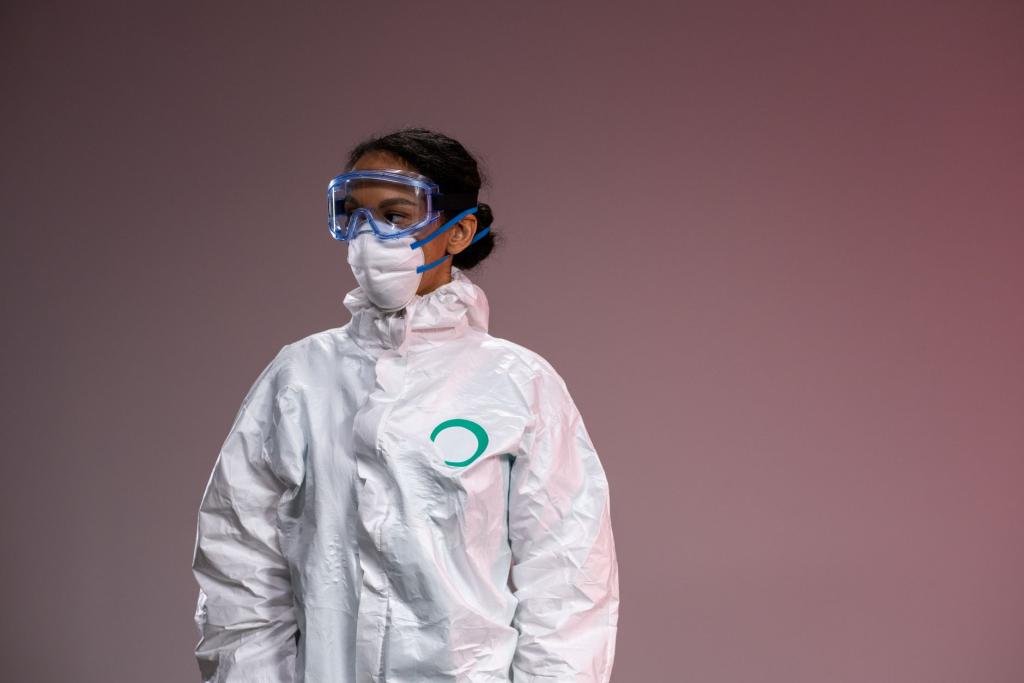
The response faces steep obstacles. The CDC points to limited health care infrastructure, ongoing armed conflict in the affected region, violence against health care workers, and shortages of personal protective equipment, which have led to infections among medical staff. Frequent cross-border movement, mistrust of authorities, and misinformation are slowing the work further. WHO has said a large share of deaths are occurring in communities rather than treatment centers, a sign that patients are reaching care late or not at all. The DRC Ministry of Health does not count probable cases in its official totals, and the CDC says the figures are expected to change as investigations continue.
For now, control depends on the basics: rapid detection, isolation, contact tracing, safe burials, and community engagement. The WHO has prepared a clinical trial to evaluate a vaccine against the Bundibugyo strain, according to reporting on the agency's statements, since no approved vaccine or specific treatment exists. WHO's October statement gave an earlier, lower toll; the CDC's data as of October 15 shows how quickly the count kept climbing from there. South Kivu has reported no confirmed cases since May 29, even as the outbreak continues to widen elsewhere. The agency has also published clinical screening and diagnosis guidance for health workers, infection prevention recommendations for US hospitals, and interim guidance for assessing travelers arriving from affected areas, according to Contagion's reporting. Readers following outbreak coverage can find more on the health page and world news page.
Comments 0
No comments yet. Be the first to share your thoughts!
Leave a comment
Share your thoughts. Your email will not be published.