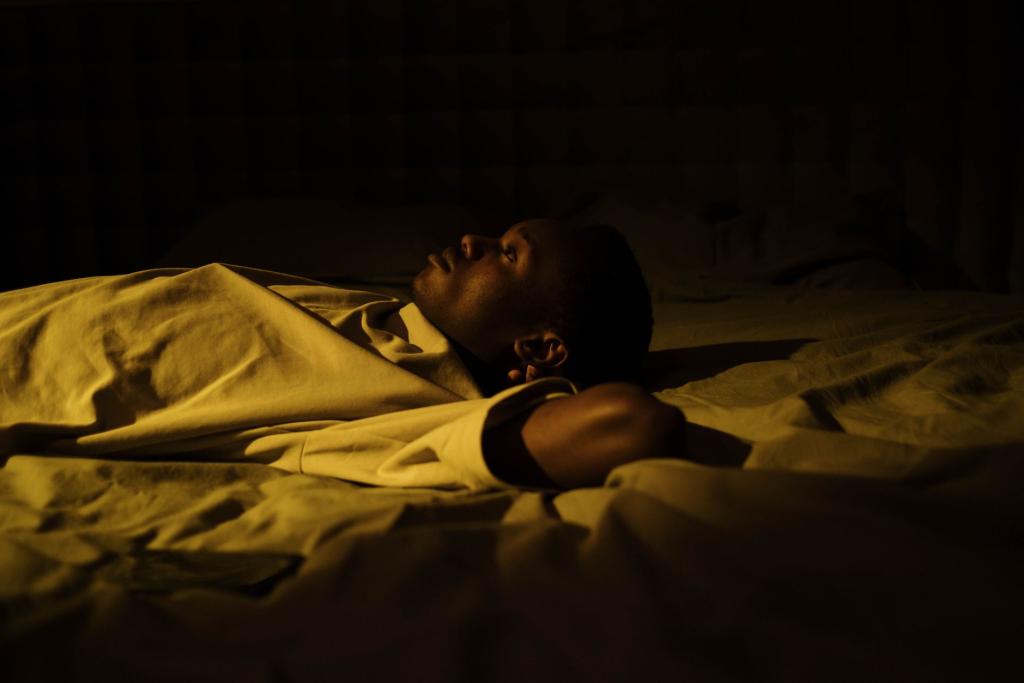
Plenty of people treat bad sleep as a badge of honor, the kind of thing coffee and willpower are supposed to fix. A sweeping new review of the evidence on insomnia stroke risk says that attitude misses something serious: chronic sleeplessness tracks with a meaningfully higher chance of stroke, more hospital visits, and worse brain and mental health over time.
The review, led by the European Academy of Neurology together with the Medical University of Vienna, pulled together evidence across seven health outcomes: stroke, dementia, depression, suicidal behaviour, mortality, workplace accidents, and hospital admissions. The team searched the MEDLINE and EMBASE research databases through last August, combined the best available systematic reviews, and ran fresh meta-analyses where the evidence allowed. The findings appeared in the journal Sleep Medicine Reviews, as reported by MedUni Vienna on Monday.
What the numbers show
For stroke, the team gathered nine studies covering more than 1.3 million people. When six of those studies were pooled in a meta-analysis, people with insomnia faced a 26 percent higher risk of stroke than people who slept normally. A separate pooling of five studies on hospital admissions found that people with insomnia were 28 percent more likely to be hospitalized.
The review also found links between insomnia and dementia, particularly Alzheimer's disease, as well as depression and suicidal behaviour, though the results were not consistent across every outcome examined. The authors stress that these figures come from observational research, which shows associations rather than proving that sleeplessness causes these conditions. Even so, the pattern held across large populations, and the researchers say it is strong enough to take seriously.
Insomnia itself means difficulty falling or staying asleep along with impaired daytime functioning, despite having adequate opportunity to sleep. That is different from simply choosing to stay up late. Study lead author Luca Vignatelli of the IRCCS Institute of Neurological Sciences in Bologna said it plainly: "Insomnia deserves attention as a warning sign of the status of brain and mental health. These findings show that someone with insomnia has an increased risk for dementia or stroke. Insomnia should be recognized and addressed as part of a wider approach to health to reduce the risk of developing such disorders."
Why this lands harder for young sleepers
Insomnia is not rare. A previous meta-analysis estimated that about 22 percent of the general population meets international diagnostic criteria for insomnia, and young adults sit squarely in the path of it. Late nights, glowing screens, shift work, and constant low-grade stress are practically the default settings of life in your twenties, and none of them help the brain wind down. The insomnia stroke risk findings do not mean a few rough nights will do damage, but they do reframe chronic sleeplessness as something closer to a health problem than a lifestyle quirk.
The researchers want sleep treated the way diet and exercise already are: as a core pillar of health promotion. "Sleep should be part of the discussion on brain health at every stage of life," says co-author Stefan Seidel, a neurologist at MedUni Vienna and medical director of the Pirawarth Clinic, who initiated the study as a member of the European Academy of Neurology. "We should raise awareness of insomnia and its treatment and ensure that sleep is also taken into account in health promotion programmes in communities, schools and the workplace."
For anyone running on fumes, the takeaway is straightforward. Occasional bad nights are part of life, but insomnia that keeps showing up is a health signal worth acting on, not just a rough patch to push through. If sleepless nights are your normal, that is worth a conversation with a doctor rather than another year of toughing it out. The researchers behind this review of insomnia and stroke risk would rather you hear it from them than from a hospital chart, and the insomnia stroke risk numbers are one more reason to treat sleep like the health issue it is.
Comments 0
No comments yet. Be the first to share your thoughts!
Leave a comment
Share your thoughts. Your email will not be published.