New research says people with active brown fat are less likely to have type two diabetes, heart disease, high blood pressure, anxiety and depression, and it comes from one of the biggest studies of its kind, published in Nature on October fourteenth.
Researchers used artificial intelligence to read scans from more than one hundred thousand patients, according to Nature. The tissue they tracked is the kind of fat that is turned on and burning calories rather than just sitting there.
What the researchers actually did
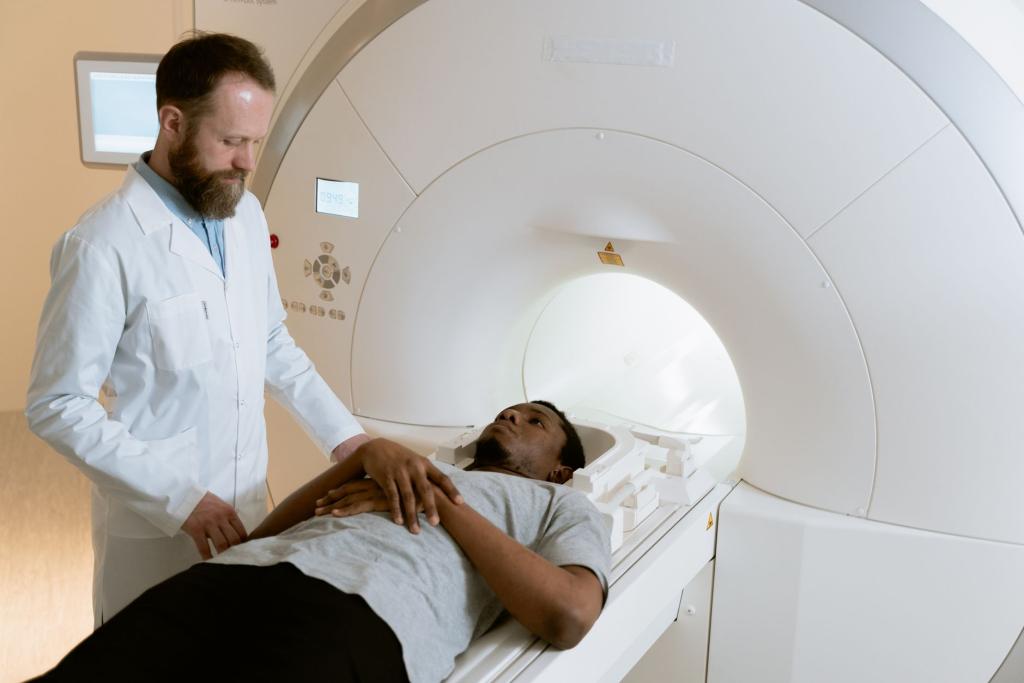
The team looked at scans from one hundred one thousand two hundred forty-three adult patients, according to News-Medical. These were PET and CT scans taken during cancer care, so the data was not collected for a brown fat experiment in the first place.
A machine learning tool then measured how much brown fat was working in each person, and in six body regions, according to Rockefeller University. The tissue sits in places like the neck, the armpit and around organs such as the heart and kidneys. Paul Cohen's lab at Rockefeller led the work with colleagues at Memorial Sloan Kettering.
A magazine analysis from TENS says the activity could be measured in about eighty-seven hundred of the patients. That is still a huge group compared with earlier brown fat studies.
The health links that stood out
The headline numbers are striking. Active brown fat was tied to fifty-eight percent lower odds of type two diabetes and forty-seven percent lower odds of chronic ischaemic heart disease, according to the Nature summary shared by Ground News.
The surprise was the mind. The team found lower rates of anxiety and depression among patients with brown fat, a link reported for the first time in this research, according to Bioengineer. Shingo Kajimura of Harvard Medical School called it one of the most comprehensive and probably significant works in the field.
So the idea that body fat is just one thing is getting weaker. Brown fat burns energy to make heat, and this study hints that it may also be a marker of broader metabolic and mental health.
The blood pressure pill twist
The researchers also tested a common blood pressure drug called losartan. In lab tests it switched on a key heat-making protein in brown fat cells and increased their oxygen use, according to News-Medical. Knowridge adds that the drug raised brown fat activity in cells and in mice.
That is a neat idea because losartan has a decades-long safety record. Repurposing an existing pill is usually faster than inventing a new one, which is why scientists got excited. The team plans to study people who naturally carry lots of brown fat and to look for downsides, including higher rates of osteoporosis and skin disease seen in people with the tissue.
Why does that matter for Gen Z? Metabolic problems like diabetes and heart disease usually show up later in life, but the habits and biology behind them start early. Understanding which tissues protect the body gives researchers new targets, and it could eventually lead to treatments that work with the body's own heat-making machinery rather than against it.
The Rockefeller team describes its method as reverse translation, which means starting from patterns seen in patients and then working backward in the lab to find the molecular reasons. That approach is what led from a giant pile of scans to the losartan experiments, and it shows how big hospital datasets and AI can surface ideas that small trials might miss.
What this does not prove
Here is the reality check. The human results are observational, so they show a link, not a cause. Irfan Lodhi of Washington University said more work is needed to prove brown fat is behind the benefits, though he still called the study interesting and surprising.
Knowridge also stresses that the study has not shown losartan produces useful weight loss or can safely boost brown fat in people. So do not ask your doctor to change your meds because of a headline. Active brown fat might simply travel with healthier bodies rather than create them.
Still, this is a big step for metabolism science. Want more health stories like this? Check our health desk for the latest, and keep an eye on follow-up trials that could show whether switching on brown fat really helps.
Comments 0
No comments yet. Be the first to share your thoughts!
Leave a comment
Share your thoughts. Your email will not be published.