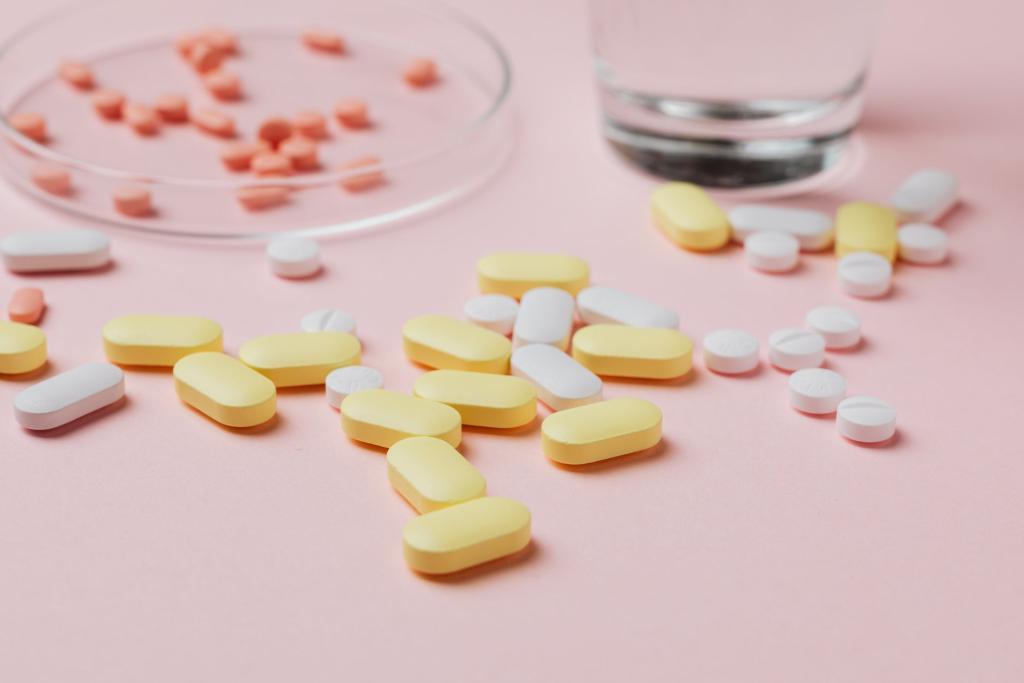
The Weight-Loss Pill era has officially begun. For years, the most effective obesity drugs came with a needle, a weekly injection ritual and, for many patients, a hard no. That barrier fell twice in the past year: Novo Nordisk's oral Wegovy launched in January, and in April the FDA approved Eli Lilly's Foundayo, the first daily pill with no food or water timing restrictions. Needles are no longer the price of admission, and prescription trackers show the pills are already carving up the market.
The oral Wegovy pill was technically first, but it arrived with homework. Patients must take it first thing in the morning with a small sip of water and then wait at least thirty minutes before eating or drinking anything else, rules that turned many curious patients away. Foundayo works differently at the molecular level: it is a small molecule rather than a peptide, so it survives the gut without the absorption enhancer that makes the rival pill so fussy. The result is a once-daily tablet that can be taken at any hour, with or without food, as 2 Minute Medicine reported.
What the trial actually showed
The company's main Phase 3 trial enrolled more than thirty-one hundred adults with obesity or overweight but without diabetes. At the highest dose, participants lost an average of about twelve percent of their body weight over seventy-two weeks, with effects rising across six dose strengths starting from a low introductory dose. The drugmaker titrated patients up slowly for a reason: nausea, vomiting, diarrhea and constipation show up at rates similar to the injectable drugs in the same class, and easing in matters for sticking with treatment.
One safety detail stood out to physicians. The label notes no thyroid C-cell tumor signal in rodents, a meaningful distinction from the peptide-based drugs, which carry a boxed warning about medullary thyroid carcinoma risk. Cardiovascular readings from this spring also showed improvements in blood pressure and cholesterol at therapeutic doses. It is not a free pass, though: the approval covers adults with obesity, or overweight with at least one weight-related condition, always alongside a reduced-calorie diet and more physical activity. Researchers are still mapping how these drugs reshape appetite, with brain-scan studies on next-generation compounds showing the effect runs deeper than willpower.
The prescription race is already on
Weekly prescription tracking shows two pills splitting a fast-growing market. In the week covered by the September 11 update, the Wegovy pill logged roughly one hundred eighty-three thousand total prescriptions against about forty-seven thousand five hundred for Foundayo, which was up nearly eight percent week over week, according to prescription data cited by analysts at Citi. A separate Jefferies analysis put Foundayo's share of new prescriptions, which exclude refills, at twenty-one point five percent of the oral obesity market in late August. The incumbent's head start is real, but the newcomer is gaining on every refill cycle.
The price gate
Here is where the pill revolution meets reality. Self-pay patients start at about a hundred and fifty dollars a month for the lowest dose, with commercial insurance savings cards potentially bringing the cost down to twenty-five dollars, the drugmaker said in its approval announcement. Lilly began shipping through its direct-to-patient service in early April with free home delivery, followed by retail pharmacies and telehealth providers. Medicare Part D coverage under a federal bridge program is expected to begin in July, at fifty dollars a monthly fill for eligible enrollees.
Physicians warn that the approval is only the first gate. Formulary placement, prior authorization requirements and step therapy mandates will decide whether theoretical access becomes real prescriptions, and plan-by-plan coverage choices vary widely. That matters because the eligible population is enormous, and every coverage denial is a patient pushed back toward the needle they already refused or toward no treatment at all.
Why it matters, and the catch
"People living with obesity need treatment options that meet them where they are, and for many, a once-daily pill that can be taken with no food or water restrictions can offer them greater flexibility in how they approach their treatment," said Deborah Horn, director of the Center for Obesity Medicine at McGovern Medical School at UTHealth Houston, in the company's announcement. The Weight-Loss Pill genuinely expands the tent: it reaches the injection-averse, the needle-phobic and everyone whose schedule could not survive a half-hour morning fast. The broader drug pipeline keeps moving too, with large studies now clearing long-running safety fears around the class.
The catch is that a pill does not fix the system around it. Doctors stress that these drugs are lifelong companions to diet and exercise, not cosmetic shortcuts, and the gastrointestinal side effects are real enough to end treatment early without careful titration. Off-label demand for quick cosmetic weight loss could strain supply and crowd out patients with medical need, a pattern the injectables already lived through. The Weight-Loss Pill era will be judged less by the pharmacology, which is impressive, than by who actually gets the prescription: coverage decisions made in the next year will determine whether this becomes a mainstream therapy or another breakthrough priced like a luxury.
Comments 0
No comments yet. Be the first to share your thoughts!
Leave a comment
Share your thoughts. Your email will not be published.