The constant mental chatter about food that derails diets has a name — "food noise" — and new research suggests an experimental drug can quiet it. On Wednesday, Novo Nordisk unveiled year-long brain-scan data for CagriSema at the European Association for the Study of Diabetes' annual meeting in Milan, showing the treatment changed how participants' brains responded to images of high-calorie food. Participants also reported steep drops in cravings, hunger, appetite and food-related thoughts at both 22 and 52 weeks of treatment, changes linked to an estimated 22.4 percent body-weight reduction compared with placebo, according to the company. Novo announced the data in a release tied to the conference, where the brain-scan analysis earned a best-abstract award.
Food noise is the persistent background hum of thoughts about eating — what to eat next, whether you're hungry, whether you should resist the snack drawer. Many people describe it as one of the biggest barriers to sustained weight loss, yet weight-loss drugs have historically been judged almost entirely on scale weight rather than on the mental drivers of eating. That is the gap this study tries to close. If a therapy can measurably calm the brain's food-cue response, it may explain why some patients keep weight off instead of yo-yoing, which is the outcome that actually protects long-term health.
What the brain scans say about food noise
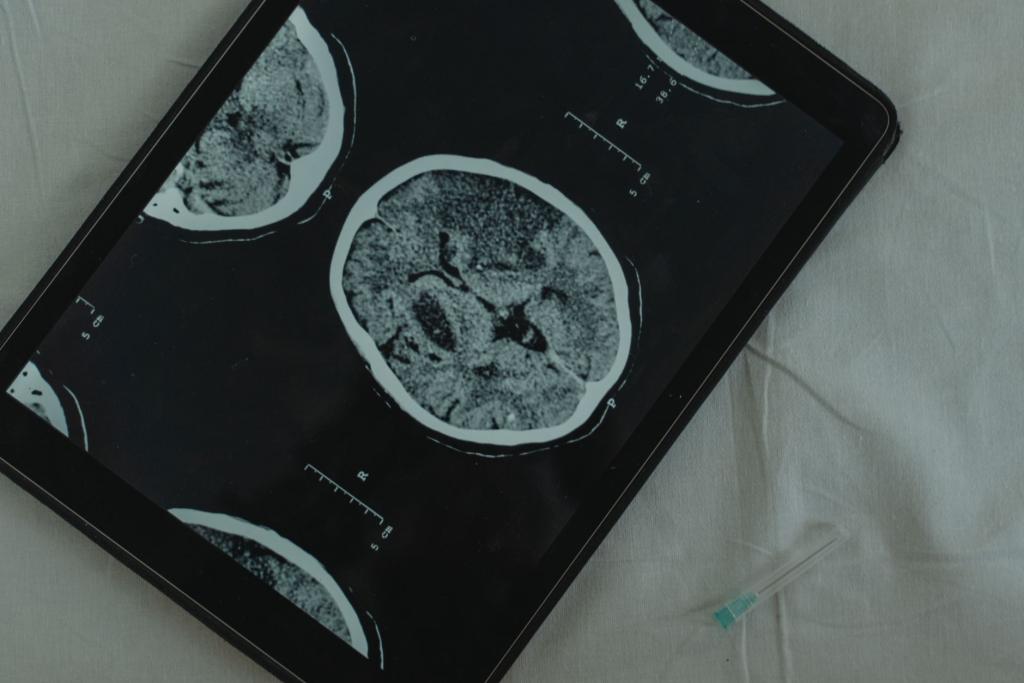
The analysis used functional magnetic resonance imaging, a non-invasive brain-scan technique that shows which areas of the brain activate during specific tasks, in adults with overweight or obesity. After a year of treatment, CagriSema altered responses to high-calorie food cues in brain regions associated with cravings, reward, sensory processing and behavioral control. Eating behavior improved across the board — hunger, cravings, appetite and intrusive food-related thoughts all fell — and the improvements were already visible at the 22-week check-in before deepening by week 52, according to independent coverage of the conference presentation.
Researchers presenting the work described the pattern as striking: participants showed substantially reduced cravings and lasting shifts in how their brains reacted to pictures of tempting foods, and those changes lined up with lower energy intake and durable weight loss. Tony Goldstone, a clinical professor in psychoneuroendocrinology at Imperial College London who was involved in the analysis, said the findings showed "the association between tackling food noise and successful and sustained weight loss" — suggesting the mental quiet, not just the appetite suppression, is doing real work.
Beyond appetite: organ fat and bone health
A second set of findings looked past the brain and the scale, into where fat actually sits in the body. In a magnetic-resonance-imaging sub-study within the drug's phase 3 diabetes program, CagriSema produced significant reductions in fat in the abdomen and around the liver and pancreas compared with placebo, alongside roughly fourteen percent body-weight reduction at week 40 in adults with early type 2 diabetes. That matters because ectopic fat — fat packed around the liver, pancreas and abdominal organs — is a key driver of insulin resistance and of type 2 diabetes progression, so losing fat from those depots counts for more than the same pounds lost elsewhere.
A separate post hoc analysis of bone markers offered early reassurance on a known worry with rapid weight loss. In adults with inadequately controlled type 2 diabetes, bone biomarkers showed signs of healthy balance in bone maintenance alongside a comparable share of body weight lost by week 68, which the study authors described as preliminary reassurance about bone changes with the therapy. Rapid weight loss can weaken bones, so evidence that the skeleton holds steady while weight falls would be a meaningful quality-of-weight-loss signal — though researchers cautioned that the bone findings are early and need confirmation.
Why it matters in the race beyond GLP-1 drugs
CagriSema is a once-weekly injection that pairs two mechanisms: cagrilintide, a long-acting amylin receptor agonist, and semaglutide, the GLP-1 drug better known as the active ingredient in Ozempic. The amylin component appears to be what reaches the brain's appetite circuitry in a way GLP-1 drugs alone may not — and Novo's research chief, Martin Holst Lange, said the conference data add to emerging evidence that the amylin part of the drug influences disease biology across the brain and multiple organs beyond weight loss alone. The subtext: the next generation of obesity drugs will compete on how people lose weight, not just how much.
The competitive stakes are high. Novo filed a New Drug Application with the US Food and Drug Administration in December 2025 for CagriSema for weight management, and a decision is expected in the final quarter of this year. A high-dose phase 3 trial launched earlier in 2026, and a cardiovascular outcomes trial is following seven thousand adults with established heart disease. Meanwhile the scale of the problem keeps growing: the World Health Organization estimates more than one billion people now live with obesity, and the International Diabetes Federation puts the adult diabetes population near 589 million, mostly type 2.
Two caveats deserve equal airtime. CagriSema is still investigational — it is not an approved treatment, and the findings come from a company announcement at a conference rather than a peer-reviewed journal paper. Independent scrutiny of the full datasets, plus real-world evidence in broader and more diverse populations, will determine whether the brain-scan promise holds up outside tightly controlled trials. Still, the shift in what drugmakers are measuring — quieting food noise, clearing fat from around organs, protecting bone — hints at a future where obesity treatment is judged by health gained rather than pounds lost. For anyone who has ever lost weight only to be dragged back by relentless food thoughts, that reframing may be the most hopeful part of the news.
Read more about the broader weight-loss drug landscape in our coverage of the large Ozempic safety study.
Comments 0
No comments yet. Be the first to share your thoughts!
Leave a comment
Share your thoughts. Your email will not be published.