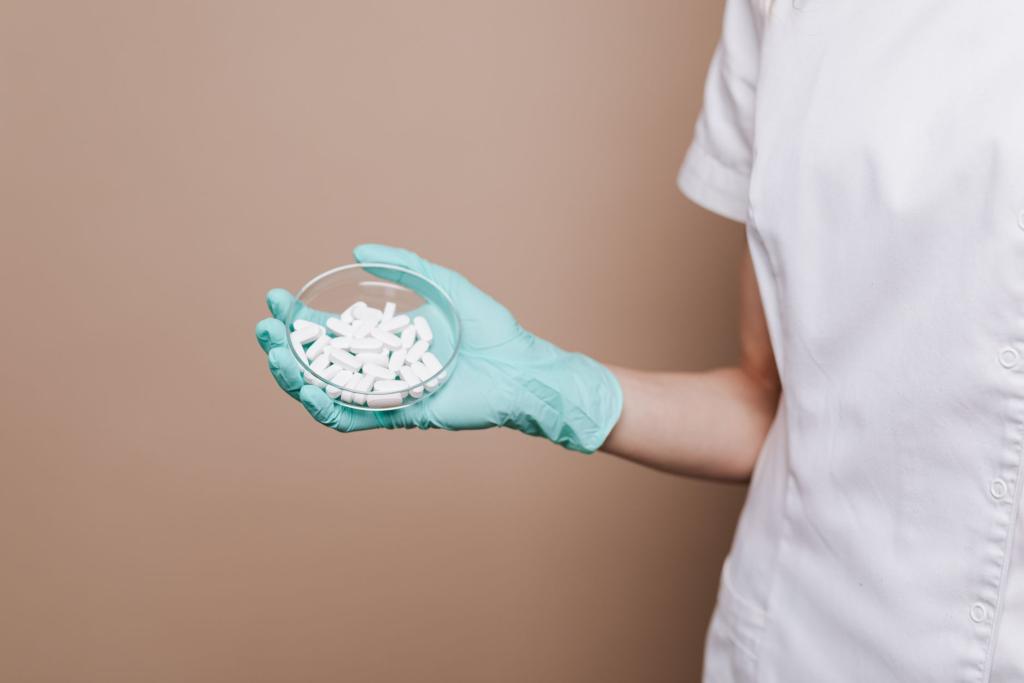
The first New Herpes Drug with a genuinely new way of working in nearly three decades is now approved. On October 9, 2026, the US Food and Drug Administration cleared Hovilpri, an oral tablet for immunocompromised adults whose herpes sores keep returning despite the standard antivirals — the first herpes medicine to attack the virus through its helicase-primase complex. The World Health Organization estimates that billions of people worldwide carry one of the two herpes simplex viruses, so a fresh treatment option matters far beyond a single clinic.
What makes the pill different is the step of the viral copying process it blocks. The older herpes drugs need the virus to switch them on using one of its own enzymes, a protein called thymidine kinase. When the virus mutates away from that enzyme, those medicines quietly lose their punch, according to reporting by WellTica. Hovilpri skips that step entirely and jams a separate piece of the replication machinery instead, which is why it can still work against strains that shrug off the older pills.
The approval is aimed at a narrow but vulnerable group: transplant recipients, people living with HIV, patients with blood cancers or stem-cell transplants, and others on strong immune-suppressing drugs, as listed in the drug's FDA approval history on Drugs.com. In these patients a herpes outbreak can spread, cause real pain and simply refuse to heal. Until now, the fallback when pills failed often meant intravenous treatment in a clinic — a far heavier burden than a daily tablet.
What the trial found
The clearance rests on a phase three trial of one hundred one immunocompromised adults whose lesions had not responded to standard treatment. By day twenty-eight, complete healing was seen in roughly sixty-three percent of those taking the new drug, compared with about a third of those on the investigators' choice of other treatments — a gap the sponsor reported as statistically meaningful. Among patients who continued treatment through day forty-two, the healing rate climbed higher still, according to Medical Daily's coverage of the results.
A milestone thirty years in the making
Clinicians have been waiting for a fresh mechanism since the nineteen-nineties, when the current generation of herpes antivirals became the standard of care. Resistance remains rare in healthy people but is far more common in immunocompromised patients, where it turns a manageable infection into a stubborn, painful problem. The new medicine's maker expects US availability before the end of 2026, though pricing and insurance coverage have not been announced — details patient advocates will be watching closely, since new antivirals can launch at prices that put them out of reach.
Why it matters — and what is still unclear
The road here was long: the therapy earned the agency's Breakthrough Therapy designation back in 2020 and a priority review in April 2026 before the October green light. The commercial bet behind it is large — Asahi Kasei acquired the original developer, German biotech AiCuris, earlier this year, signaling confidence in medicines for severe infections. GenZ NewZ recently covered another first-of-its-kind FDA approval, part of a busy season for the agency's drug pipeline.
The evidence has limits worth knowing. The trial was open-label, meaning patients and doctors knew who got what, and it was funded by the drug's sponsor, Medical Daily reported. The comparison group received several different treatments rather than a single standard drug, and a full peer-reviewed write-up has not yet appeared. The medicine can also clash with some common heartburn drugs, so anyone prescribed it should review every medicine with a pharmacist or prescriber.
For patients, the practical takeaway is simple. People with weakened immune systems should contact their care team if herpes sores last longer than usual, spread, or keep returning despite treatment. Sores that will not heal can become infected and may signal the need for a treatment change. Researchers are also watching whether the new mechanism could eventually be tested more broadly, but for now the approval covers only immunocompromised adults whose sores have resisted the older antivirals — and for the first time in a generation, that change could be a New Herpes Drug that works in a way the virus has never seen.
Comments 0
No comments yet. Be the first to share your thoughts!
Leave a comment
Share your thoughts. Your email will not be published.