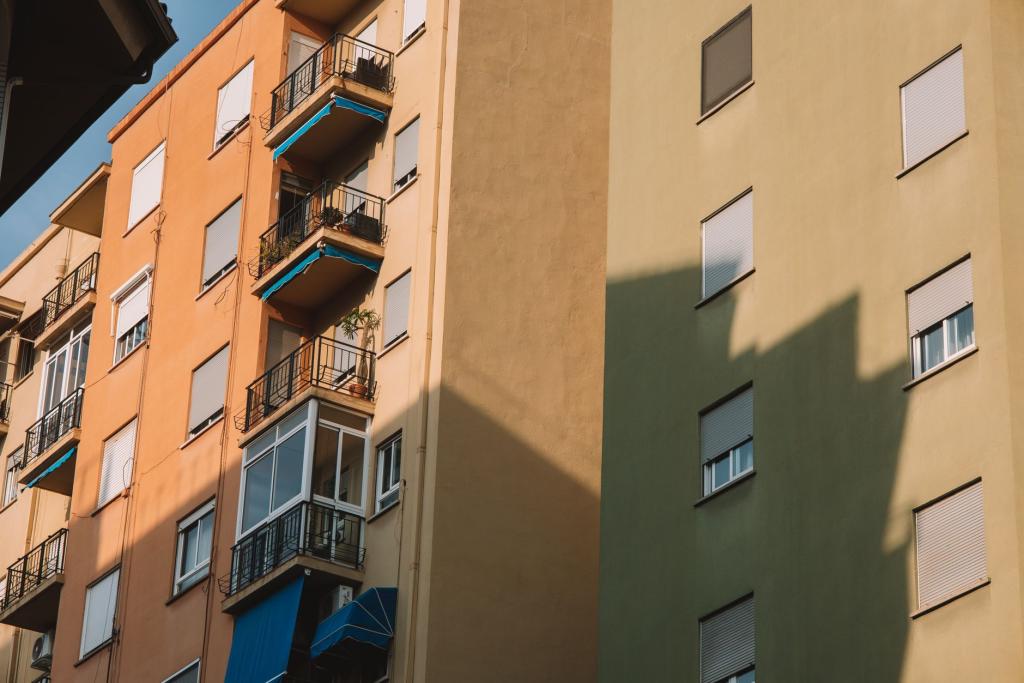
Spain holiday rental VAT is about to hit your next Airbnb budget: from December first, short stays of up to thirty nights will carry a ten percent tax, according to BnB News.
The measure sits inside a wider housing package that Spain's government approved on October sixth and published in the official gazette the next day. According to La Moncloa, the government's own site, Prime Minister Pedro Sanchez said tourist flats should be taxed as what they are: a business.
What changes for travellers
Until now, a furnished tourist flat without hotel-style services such as cleaning or reception could be exempt from VAT. From December first, the Spain holiday rental VAT applies to stays of thirty nights or fewer for the same guest, even without those services, unless the landlord lives in the home. Hosts will either absorb the cost or pass it on.
That matters if you are planning a winter city break or a spring trip to the coast. A host who currently charges one hundred euros a night might need to raise the price, though nothing forces them to. How much reaches guests will depend on the market and the competition in each town.
Property tax surcharges for hosts
Towns in officially designated housing pressure zones can add a surcharge of up to fifty percent on property tax for homes used as tourist accommodation. It rises to one hundred percent for owners of two or more such homes, and to one hundred and fifty percent for four or more, BnB News reports.
Mallorca.com notes that the decree gives councils that option but does not require it. Empty homes face similar surcharges. The aim is simple: make it less attractive to keep apartments out of the long-term rental pool in places where locals cannot afford to live.
Rules for listings and platforms
Rental listings will have to show the price index and the rent charged over the previous five years, according to reporting from Mallorca.com. Platforms that fail to transfer data to the authorities can face fines of up to one million euros or two percent of their turnover.
Temporary contracts also get stricter. A seasonal lease without a justified reason can automatically become a standard residential tenancy, and renting individual rooms comes with new rent controls. Tenants with a taxable income below thirty-three thousand euros can claim a rent deduction, which shows the package is not only about tourists.
What hosts and guests should do now
Hosts should check whether their listing falls under the thirty-night rule and whether they live in the property, because a landlord's own home stays exempt. Registering for VAT and updating prices before December first will avoid surprises, and accountants across Spain are already fielding questions about how the tax interacts with income reporting.
Guests, meanwhile, can compare the total price instead of the nightly rate, and consider longer stays, since a booking of thirty-one nights or more falls outside this specific rule. Advisers quoted in Spanish legal commentary warn, however, that landlords must be able to show a genuine reason for any longer contract.
Not law yet
Here is the catch. The new decrees must still be ratified by the Permanent Deputation of the Spanish Parliament within a month, because parliament was dissolved ahead of the November twenty-ninth snap election. BnB News says the government has the support it needs there. An earlier version of the decree was rejected by Congress last week and repealed.
So the practical advice is to watch the dates. If you are booking a stay that begins after December first, check whether the listed price already includes VAT. Prices for earlier stays should not change. For more on how housing anger is shaping Spain's vote, see our travel coverage and keep an eye on the ratification vote.
The bigger story is a country trying to balance tourism income with the daily lives of residents. Spain welcomes millions of visitors a year, yet rents have outpaced wages, and protests have filled Madrid's streets. Whether a ten percent tax moves homes back to local tenants is the question hosts, travellers and voters are all asking.
Comments 0
No comments yet. Be the first to share your thoughts!
Leave a comment
Share your thoughts. Your email will not be published.