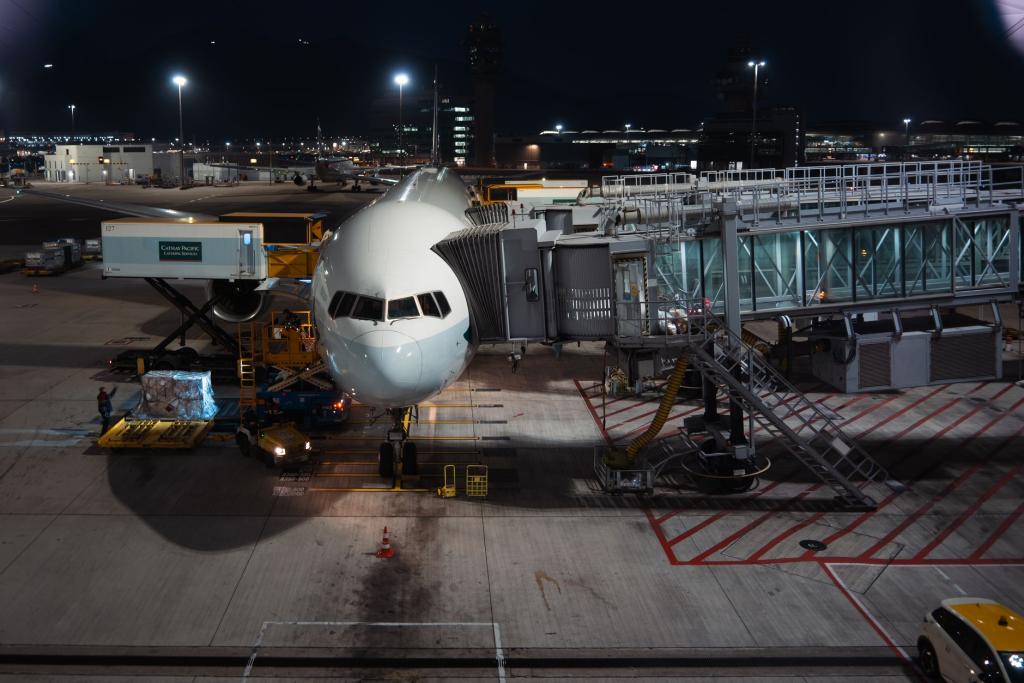
The Southwest Amadeus outage turned a normal Friday morning into a scramble at airports across the United States, and the ripple effects reached into the weekend. Gate agents lost the software that checks bags and boards passengers, so they went back to doing it by hand. Here is what happened, who is behind Amadeus, and what it means if you fly often.
What Actually Broke on Friday
Southwest delayed more than one thousand two hundred flights nationwide on Friday morning after third-party software used for checking baggage and boarding passengers went offline, according to Texas Public Radio. A spokesperson told KERA the software was back up and running as of twelve thirty that afternoon.
The delays covered roughly twenty-seven percent of the airline's flights, based on figures from FlightAware cited in that report. About forty flights were cancelled. Other outlets citing early snapshots reported slightly different counts, which makes sense because the numbers moved all day as the backlog built.
The trouble began shortly after seven in the morning local time, during the busiest stretch of the day for business travelers, according to KRLD as relayed by Reuters coverage. Passengers reported long lines and fears of missing flights even after arriving early.
Old-School Check-In Saves the Day
Southwest told Nexstar it had experienced a brief interruption caused by a system outage at its vendor, Amadeus. According to The Hill, the airline said it continued to check baggage and board flights manually while full functionality was restored.
That is the unglamorous truth of modern air travel. When the screens go dark, a gate agent with a clipboard and a lot of patience becomes the entire system. It works, but it is slow, and slow is the enemy of a schedule built around tight turnarounds.
Southwest said that because the problem hit early in the day, it was able to limit the damage to the rest of the operation. Still, planes and crews that ended up out of position on Friday started Saturday already behind, which is how one morning glitch can bleed into a weekend.
Who Is Amadeus and Why Does It Matter
Amadeus is not a household name, but it is the backbone for a huge slice of the airline world. Coverage of the incident described it as the technology provider behind bookings, check-in and boarding for airlines including British Airways, Lufthansa Group, Air France, Qatar Airways and Cathay Pacific, alongside Southwest.
Amadeus reportedly blamed an unspecified third party for the failure and apologized for the inconvenience. Southwest has not given a detailed technical cause, and neither the airline nor the vendor has said publicly what exactly failed upstream.
That gap matters. If a single vendor sits underneath so many carriers, a hiccup stops being one airline's problem. Some travel outlets have pointed out that this was not the first Amadeus-linked disruption this month, though the details of those earlier incidents are not fully confirmed.
What Travelers Should Do Now
Southwest's systems have been stable since Friday afternoon, based on travel-news roundups published over the weekend. If you are flying this week, the practical advice is simple: check your flight status before you leave for the airport, and leave a little extra time if you are connecting.
Download your boarding pass early and screenshot it, because a manual boarding line moves faster when you can show a clear code or confirmation. Keep your bag details handy too, since agents may be tagging luggage by hand.
If your trip was disrupted, ask the airline about rebooking and any compensation tied to the delay. Rules differ by situation, so it is worth asking directly rather than assuming. For more on the stories shaping how we get around, browse our travel coverage.
The Bigger Lesson
The Southwest Amadeus outage was brief by the numbers, with service back in a few hours, yet it still scrambled more than a quarter of the airline's schedule. That is the cost of leaning on shared software with few backups.
Airlines will keep promising resilience, and travelers will keep paying for it with their time. Until a full explanation arrives, treat Friday as a reminder that the digital layer of flying is thinner than it looks, and that a paper backup still earns its place at the gate.
Read the original reporting from Texas Public Radio and The Hill for the latest figures.
Comments 0
No comments yet. Be the first to share your thoughts!
Leave a comment
Share your thoughts. Your email will not be published.