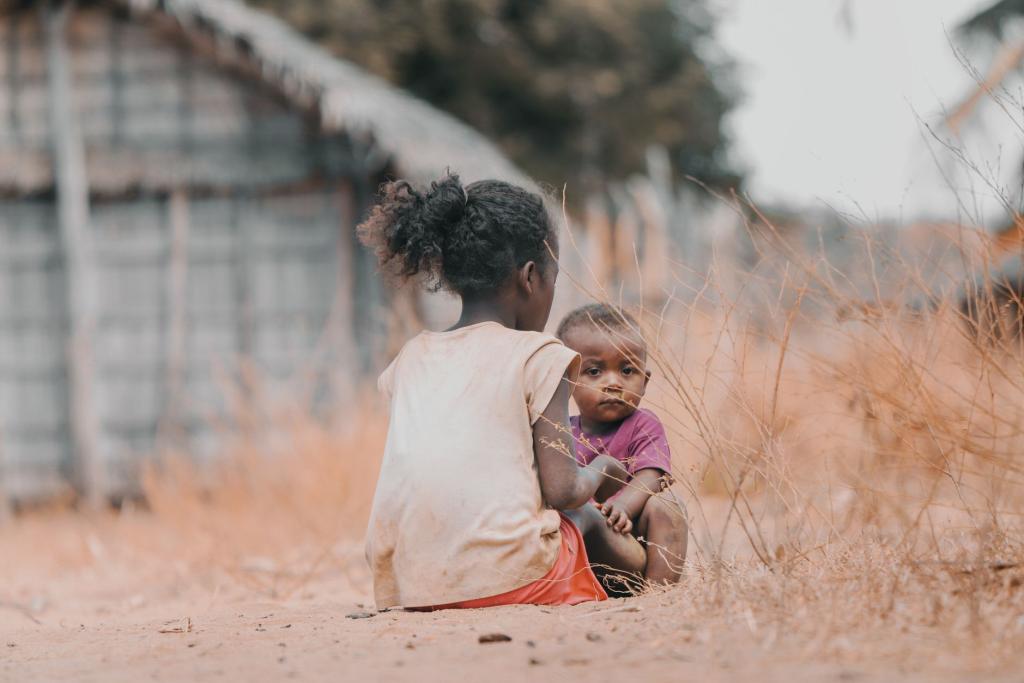
The global poverty index has gone the wrong way for the first time ever. The United Nations says 1.2 billion people now live in acute multidimensional poverty, and that is the first rise since the measure launched in 2010.
What the new numbers say
According to the UN Development Programme, the 2026 update of the global Multidimensional Poverty Index, produced with the Oxford Poverty and Human Development Initiative, counts fifty-one point five million more people in poverty than the previous update on a like-for-like basis. That is eighteen point nine percent of the six point three billion people in the one hundred and eight countries covered.
More than half of those affected are children, the report finds. Sub-Saharan Africa carries the heaviest load, with six hundred and sixteen million poor people, and the majority of the poorest people live in that region and in South Asia.
Not just about money
This index is different from the usual dollars-a-day line. It tracks overlapping deprivations such as lack of adequate housing, sanitation, electricity, cooking fuel, food and education. A household that has an income but no clean water or schooling for its kids can still count as poor.
UNDP Administrator Alexander De Croo called the rise a "wake-up call for the world", according to Dawn, citing AFP. "Behind these figures are 1.2 billion people facing hardships that reinforce one another: hunger, missed schooling and a lack of clean water or electricity. This is unacceptable," he said in a press release.
The caveats that matter
Before you doomscroll, there is context. UNDP said a major factor in the increase was population growth, and new survey data was only available for thirteen of the one hundred and eight countries. So the global poverty index jump reflects a partial refresh, not a fresh census of every nation.
Angola and Zambia are a good example. Their poverty rates have actually declined, but population growth more than offset the drop, so the number of people in poverty still went up. Progress in percentage terms can hide a bigger headcount.
Proof that progress is possible
The report is not all bad news. Thirty-three countries have at least halved their multidimensional poverty in under fifteen years, including six in Sub-Saharan Africa. China and Vietnam were among the fastest movers, per the AFP report.
In Egypt, Nepal and Tajikistan, both the poverty rate and the number of people in poverty fell significantly, the press release said. The UNDP framing is that the challenge is tough but achievable, and that a long list of countries has already shown how.
Why Gen Z should care
Young people are on the sharp end of this story. When more than half of the people in acute poverty are kids, missed schooling and unsafe water today turn into lost opportunities for an entire generation tomorrow. It also shapes migration, jobs and the global economy you will inherit.
It lands as finance leaders gather for the IMF and World Bank meetings, where energy shocks and rising debt are on the agenda. Expect governments and agencies to point to this index as they argue over aid and development budgets. Readers can follow more world coverage as those talks unfold.
The takeaway is simple: the global poverty index is a warning light, not a verdict. The data gaps are real, the population effect is real, and the success stories are real too. What happens next depends on whether the money and attention follow the countries that have already proven it can be done.
There is also a measurement lesson here. A single headline number can hide very different local stories, which is why the report also provides subnational estimates covering one thousand three hundred and sixty regions across one hundred countries, according to the UN Human Development Reports office. Zooming in shows where help is needed most.
It also matters how the data is collected. Household surveys take years to design, run and clean, so a rise in the index partly reflects when countries were last counted. That lag is why experts push for faster, more frequent surveys, especially in the places where deprivation is deepest and the stakes for children are highest.
Pay attention to the next round of surveys. As new data arrives from the remaining countries, the picture will sharpen, and the answer will be clear whether this first rise was a blip driven by growing populations or the start of a harder trend for the world's most vulnerable families.
Comments 0
No comments yet. Be the first to share your thoughts!
Leave a comment
Share your thoughts. Your email will not be published.