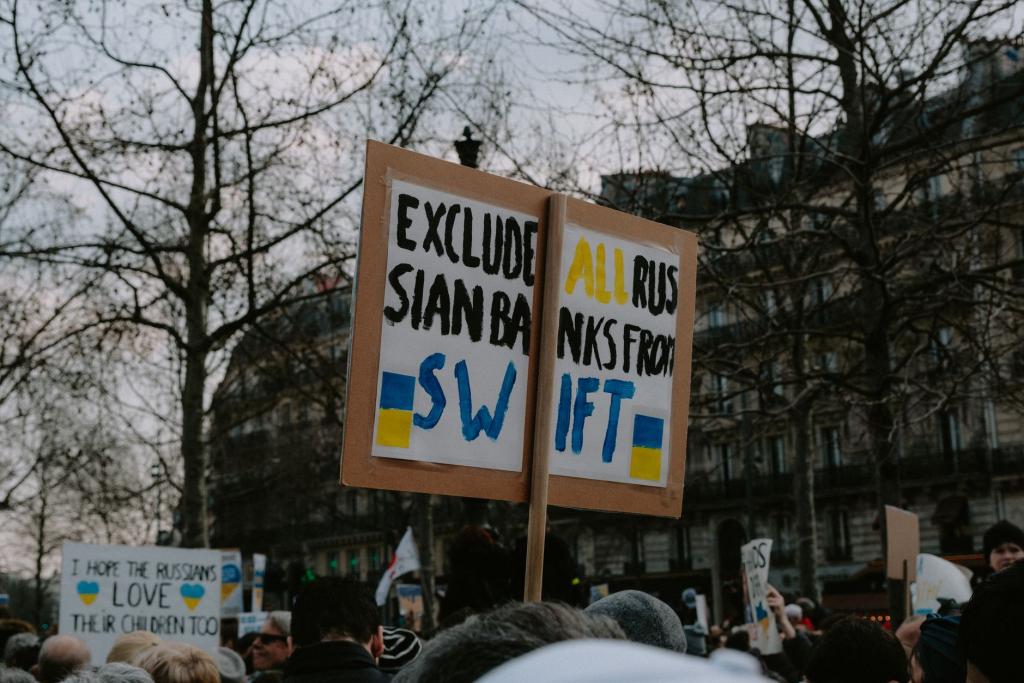
The biggest school movement in France in decades is about to get bigger — and teenagers are running it. After a month of blockades, marches, and thousands of arrests, student groups, universities, and six teachers' unions have called a nationwide strike and march for Tuesday, October 13. The France student protests have rejected the government's latest offer as not nearly enough, and their central demand is now a number with a lot of zeros attached.
The movement started small in mid-September, when teachers at Saint-Exupéry High School in Créteil, a Paris suburb, walked out over staff shortages, according to AP. Students joined, and the blockades spread nationwide. On October 6, a national day of action drew an estimated 266,000 demonstrators across France, including 56,000 in Paris, per Interior Ministry figures reported by AP — while organizers claimed as many as 450,000, reported by Reuters. On October 8, another wave brought 71,500 people to the streets nationwide, with 24,500 rallying at Place de la Bastille in Paris, per Interior Ministry figures cited by Public Sénat and reported by Sortiraparis.
Arrests, injuries, and a suspended weapon
The crackdown on the France student protests has been severe. More than 6,500 people have been arrested since mid-September, mostly minors, reported by AP; by October 6, the Justice Ministry put the figure at 5,060 arrests, 87 percent of them minors, reported by Reuters. The protests turned on a grim incident on October 5, when a 15-year-old in Lens lost a hand in an episode involving a police stun grenade. Two days later, the government suspended the use of stun grenades in policing the protests, reported by Reuters and AP. The scale of disruption is real too: classes were totally or partially suspended at 891 schools on October 6, per the Education Ministry and reported by AP, and 141 high schools were still closed on Friday, October 9, reported by Sortiraparis.
The students' grievances read like a catalog of everything wrong with underfunded public education. They cite rundown classrooms lacking desks, no air conditioning, rat infestations, chronic staff shortages, and some of the highest compulsory classroom hours in Europe, reported by AP. This is not an abstract policy debate for the protesters — it is about the actual rooms they sit in every day, which is part of why teenagers, not adult activists, are the engine of the France student protests. An Elabe poll for BFM TV found 72 percent of French people consider the students' demands legitimate, though 55 percent think the protests should stop, reported by Reuters. Sympathy, with an expiration date.
The government's offer — and why students said no
Prime Minister Sébastien Lecornu promised "concrete, quick and fully funded responses" by late October without offering specifics, reported by Reuters. Education Minister Édouard Geffray then announced an emergency plan of roughly 3,000 substitute teachers deployed to the most troubled schools, reported by Sortiraparis via TF1. The students' answer: not enough, by an order of magnitude. Sabrine Kharbach, spokesperson for the Union étudiante, said mobilization would continue "until we have 10 billion on the table," reported by Sortiraparis via franceinfo — a demand for a massive education funding package that dwarfs the emergency stopgap.
That is the backdrop for Tuesday's strike call, launched on October 8 at Place de la Bastille by student groups — the Union étudiante, UNEF, and lycée organizations — with backing from the FSU union. Six education unions are urging teachers to stop work: FSU, UNSA Éducation, FNEC FP-FO, CFDT Éducation Formation Recherche Publiques, CGT Éduc'action, and SUD Éducation, reported by Sortiraparis. The Paris rally is set for 2 p.m. at Place d'Italie. The France student protests have already started spilling across borders: Belgium is seeing student protests too, with more than 100 arrests in Liège this month and smaller demonstrations in Brussels, reported by Reuters via RTBF. For more on youth movements shaping policy, see the global poverty index rising for the first time since 2010 and Spain's new holiday rental tax hitting travelers.
Why the France student protests matter to Gen Z
Strip away the French specifics and this is a story about who gets to define a crisis. Governments habitually treat education funding as a line item; students experience it as the building they learn in. The France student protests flipped the usual script — the teenagers set the agenda, the unions followed, and a prime minister found himself pledging major responses to people who cannot yet vote. Whether Tuesday's strike forces real concessions or fizzles under fatigue will decide if this becomes a footnote or a blueprint. For Gen Z watching from other countries with the same overcrowded classrooms and the same shortages, the blueprint part is the point: the France student protests showed that students can shut down the system simply by refusing to show up to it.
Comments 0
No comments yet. Be the first to share your thoughts!
Leave a comment
Share your thoughts. Your email will not be published.