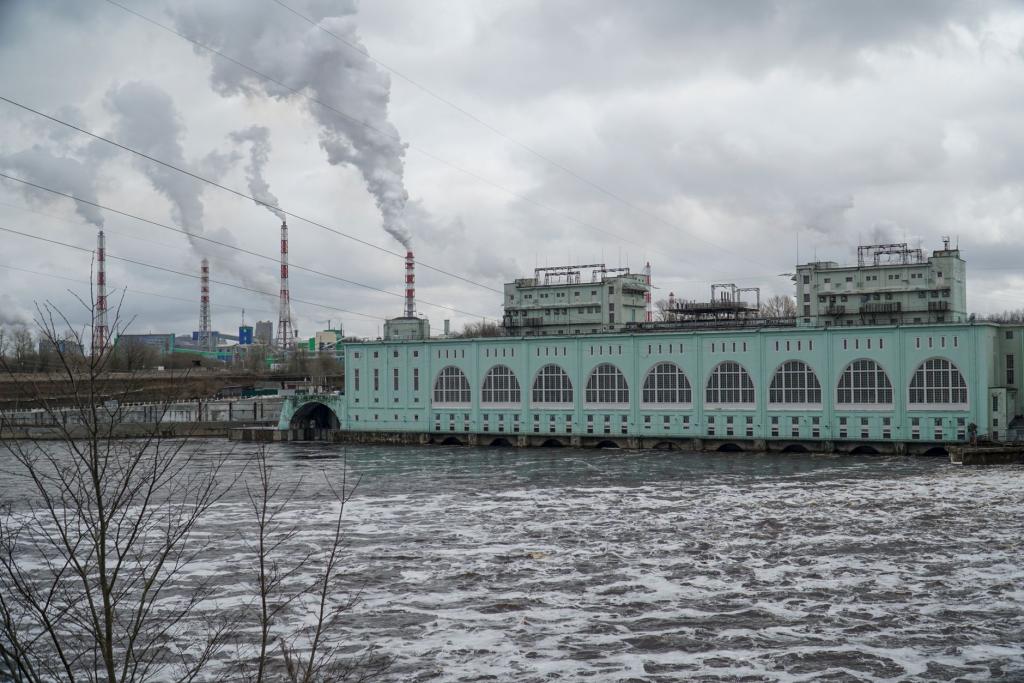
The Russia Ukraine energy ceasefire lasted about as long as a TikTok trend. President Donald Trump announced it on Sunday, and by Monday Ukraine said Russia had already broken it with a strike on a thermal power plant in Kharkiv, according to Reuters via The Star.
So what was actually agreed, who is saying what, and why does anyone outside Eastern Europe need to care? Here is the breakdown.
What Trump actually announced
Trump posted on Truth Social that, effective immediately, there is an energy ceasefire in the war between Russia and Ukraine. "Both parties have agreed. Do not break it!" he wrote, according to NBC News. He gave no details about what it would cover.
NPR noted that Kyiv reported Russian attacks on energy sites after his statement. A White House official later told Axios that Trump was referring to a potential agreement covering oil refineries, which is a much narrower deal than the original post suggested.
Ukrainian President Volodymyr Zelenskyy reportedly said the announcement "was news for me." He reiterated that Ukraine is ready to halt strikes on Russian refineries if the Kremlin halts its own attacks on Ukraine's energy infrastructure.
The strikes did not stop
Reuters reported that Zelenskyy accused Russia of violating the ceasefire after the Kharkiv thermal plant strike, and urged the United States to make sure Moscow sticks to any agreement. Kyiv's officials voiced scepticism from the start.
The Kyiv Independent reported that at least ten people were killed and seventy-three injured across Ukraine over a single day as Russia kept hitting homes and energy infrastructure. In Zaporizhzhia Oblast alone, authorities counted hundreds of Russian attacks on dozens of settlements.
Ukraine has also kept up its own campaign. NPR reported that a drone attack on Sunday shut down a data center in Vladimir, east of Moscow, run by the tech giant Yandex. It was the third strike on the company's facilities in four days.
Europe adds pressure
While Washington talks ceasefire, Brussels is turning the screws. Reuters said European Union ministers adopted nearly sixteen hundred new sanctions listings targeting Russia's military-industrial complex, according to EU foreign policy chief Kas Kallas, and urged the United States to keep pressure on Moscow.
That contrast matters. The EU is treating sanctions as the main lever, while Trump is chasing quick headline deals, including a diesel arrangement with the Kremlin mentioned in NBC's reporting. Kyiv has been caught between the two approaches.
How we got here
Trump has swung between positions on this war in recent weeks. NBC reported that he agreed to a diesel deal with the Kremlin, demanded Kyiv halt attacks on Russian oil refineries, and called for Zelenskyy to be replaced. That shift left Kyiv and its European allies guessing about what Washington actually wants.
Zelenskyy also told ABC News he would hold elections if Russia agreed to a sixty-day ceasefire. That offer shows Kyiv wants a broader truce, and the Russia Ukraine energy ceasefire headline fell well short of it. The war is now in its fifth year, and each new announcement tests how much patience is left.
Analysts will be watching whether Moscow confirms any terms. So far the Kremlin has not publicly backed Trump's version, according to NBC, which is why Kyiv treats the claim as unverified until the shelling visibly stops.
Why it matters to you
Energy is the pressure point in this war. Attacks on power plants mean blackouts and cold homes in Ukraine as winter approaches, and strikes on Russian refineries ripple into global fuel markets. A real energy truce would be the first meaningful pause in months, which is why the confusion over its terms is such a big deal.
For now, the practical answer is that nobody can say what the ceasefire covers. Watch for a written text, a statement from Moscow, and whether the strikes on power plants actually stop. Our war coverage will track it.
Comments 0
No comments yet. Be the first to share your thoughts!
Leave a comment
Share your thoughts. Your email will not be published.