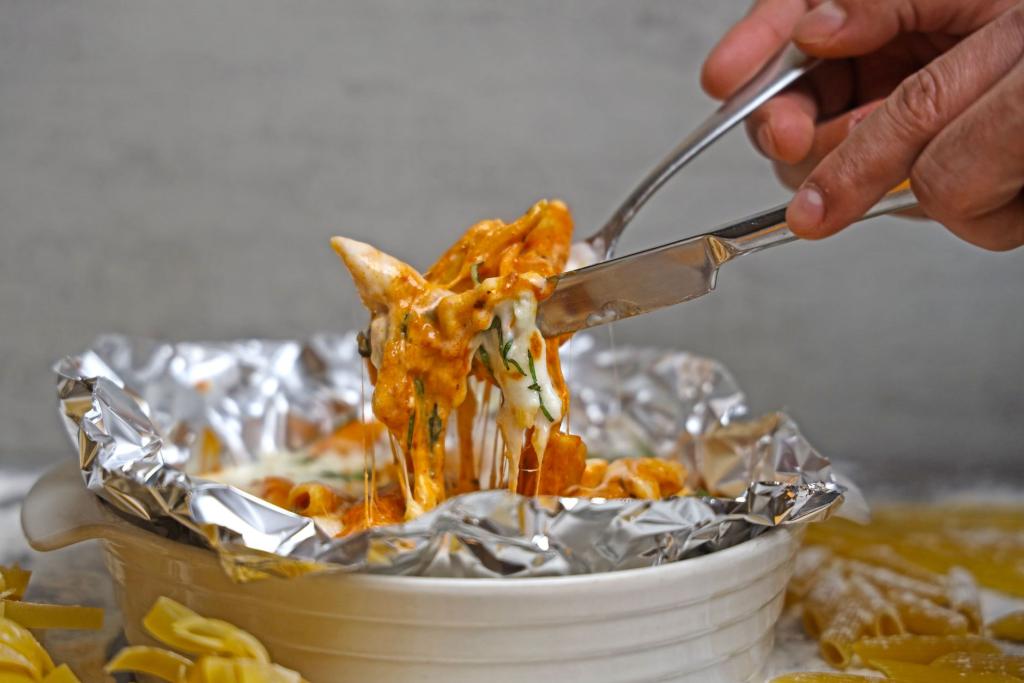
More than a third of Americans would pay extra to bring back discontinued products they loved as kids. That number, from Talker Research, explains a lot about what is happening in kitchens right now. Instead of chasing the next viral dish, home cooks are rebuilding the recipes that raised them. Tuna noodle casserole comes back with better cheese and fresh herbs. The oatmeal cream pie gets remade from scratch. The pot roast is braised low and slow on Sunday afternoons again. The trend has a name: newstalgia, the habit of upgrading childhood comfort food instead of just repeating it.
Talker's research puts numbers behind the appetite. Seventy-one percent of consumers buy brands they associate with childhood memories, and among the categories measured, grocery and food brands rank the highest. A separate Talker Research survey conducted with UserTesting found two-thirds of Americans would pay more for their favorite childhood products to return to shelves, by 32% on average. Interest in newstalgia runs 20% higher among Gen Z and millennial shoppers than among boomers, according to Roerink, which helps explain why the trend keeps spreading across social feeds rather than aging out with the generation that ate these dishes first.
Nostalgia upgrades, not repeats
The distinction between newstalgia and plain nostalgia is ambition. Nostalgia leans on sameness and tries to recreate an experience exactly as it was. Newstalgia sets out to improve on the original, according to ingredients specialist Symrise. A tuna noodle casserole still shows up on the table, but with better cheese, fresher herbs and a crisp topping the 1970s version never had. The memory survives and the plate improves.
Restaurants are following the same script. Sixty-eight percent of chefs are adding newstalgia to their menus, with fine dining chefs 47% more likely to do so, according to Spiceology's 2025 trend report. The company tracks the dishes showing up in the wild: grilled cheese sandwiches, yule log cake, fondue. Americans eat around two billion grilled cheese sandwiches a year, and seventy percent of the people making them reach for butter over mayo or any other cooking fat.
Why budgets push cooks backward
Cost drives more of this than taste does. Economic uncertainty makes it "hard to justify trying something completely new," Innova Market Insights analyst Michele Scott told Bakery & Snacks. A recipe that flops wastes both the groceries and the evening, while a familiar one pays off every time. Inexpensive cuts fit that math perfectly: a chuck roast costs a fraction of a steak dinner and turns tender after a long afternoon in the slow cooker, which is why garlic herb pot roast still feeds a family the way it did decades ago.
The same logic shows up on restaurant menus, where comfort and value are "the twin pillars shaping America's menus right now," according to Chad Moutray, chief economist at the National Restaurant Association. Diners want food that feels safe and prices that feel sane. A menu built on upgraded classics delivers both.
Casseroles lead the weeknight comeback
The casserole may be newstalgia's clearest example. One pan, pantry staples and a crowd fed for next to nothing made these bakes a mid-century standard, and the same logic holds true in 2026. The modern versions simply cook smarter, swapping canned soup for a scratch sauce or leftovers for rotisserie chicken.
A chicken tater tot casserole shows how the update works in practice, layering shredded chicken and a creamy base under a crown of crisp potatoes. The dish reads as pure childhood, but the execution belongs to a cook who knows what a little sharp cheddar and bacon can do. Casseroles also earn their place beyond taste: one pan on a Sunday covers several lunches during the week.
Dessert gets the homemade treatment
The sweet side of the kitchen is where newstalgia is easiest to taste. Penn State Extension notes that demand keeps climbing for comfort foods that evoke childhood, from retro candies to fair-style favorites, because those flavors carry memories of family gatherings and once-a-year outings like fairs and carnivals.
Baking those treats at home takes the idea one step further. Swapping the cellophane wrapper for a fresh batch of homemade oatmeal cream pies delivers the lunchbox classic with chewier cookies and a filling that is not cloying. That gap between the memory and the improved version is exactly what newstalgia chases. The same upgrade instinct is reshaping drink menus too, where fall coffee flavors are getting their own seasonal remake.
The past feels like a safe place to eat
The comfort at work here is emotional as much as culinary. Research firm Mintel finds that consumers in 2026 romanticize earlier decades as a refuge from a volatile and artificially intelligent world, and gravitate toward heritage brands they consider reliable. That instinct is the emotional engine of newstalgia, and it explains why so many cooks now rebuild old recipe cards rather than chase the next viral dish. Collections of nostalgic recipes now circulate the way trend-driven recipes once did, proof that a familiar dinner can still feel like news.
Trying newstalgia yourself is simple: pick a dish that meant something growing up, then change one thing about it. Better cheese, fresh herbs in place of dried, a scratch sauce instead of a can, or a crunchy topping where there was not one. Build around inexpensive proteins, lean on the freezer, and let a slow cooker or sheet pan handle the work. Cooking the foods of the past turns out to be one of the most practical ways to eat well in 2026, which is why newstalgia shows no sign of slowing down.
Comments 0
No comments yet. Be the first to share your thoughts!
Leave a comment
Share your thoughts. Your email will not be published.