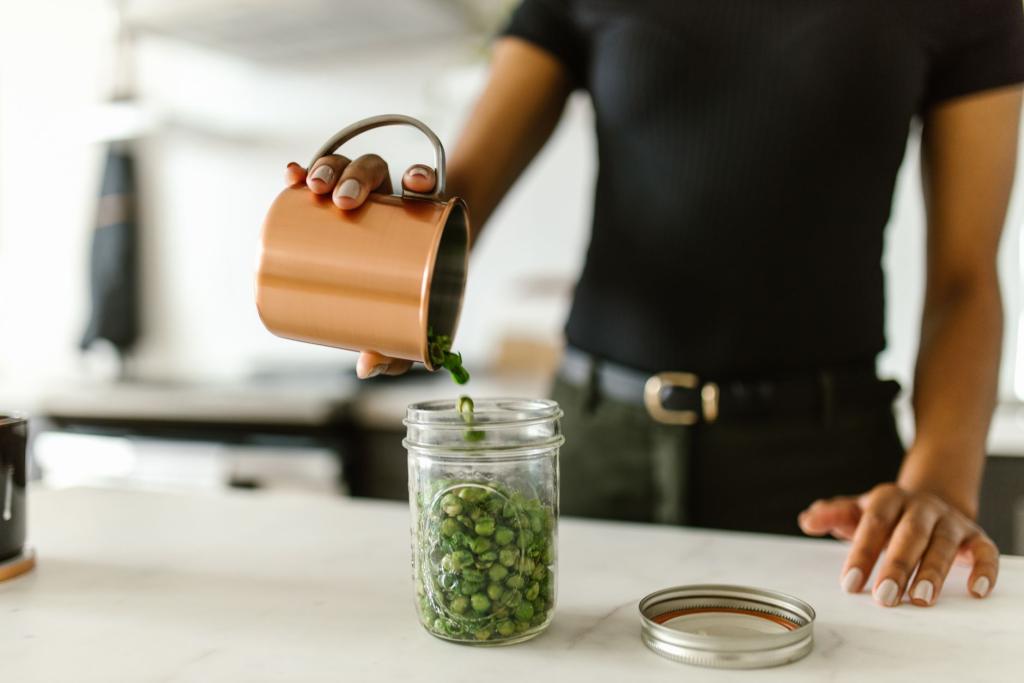
The grocery receipt has become a battleground, and Gen Z is fighting back with a cutting board. For young shoppers, the movement has a shorthand: Gen Z Meal Prepping, the plan-first playbook for a grocery budget under siege. A new consumer sentiment study from Alter Agents finds that more than half of American shoppers now cook at home more often and eat out less, a shift the researchers describe as consumers taking active control of their food spending. The changes run deeper than skipping brunch: shoppers say they review promotions, compare prices across retailers, and weigh store-brand alternatives before they ever set foot in a store. The grocery trip now starts long before the store visit, according to The Shelby Report's coverage of the research.
Put simply, Gen Z Meal Prepping is fast becoming the generation's signature budget strategy. Nearly one in three Gen Z consumers say they are meal prepping as a way to manage food spending, according to the Alter Agents survey of 1,300 U.S. adults. That habit sits alongside a broader move toward store brands: almost four in ten respondents report buying more private-label products instead of national brands. The findings, published this week, show shoppers combining several cost-saving tactics at once rather than relying on a single trick, and adjusting the mix over time.
The pre-shop routine is getting serious. More than half of consumers say the trip begins with checking loyalty offers and deciding whether a private-label swap is worth it, and shoppers continue to hunt savings through promotions, rewards programs, and coupons. Men, notably, show some of the largest behavioral shifts in the data. What used to be a list on a fridge door has become a decision tree, and the researchers say the change reflects economic uncertainty as much as rising prices. Households are questioning purchases they once made on autopilot. It is the same budget pressure GenZ NewZ has tracked in recent months: Foodflation Has Gen Z Swearing Off Grocery Impulse Buys.
Private label is having a moment
The store-brand boom is one of the starkest signals in the data. Buying more private-label products instead of name brands is now one of the most common responses to grocery pressure, and it lines up with a wider rethinking of what counts as good value. When shoppers say they are cooking at home more and eating out less, they are also rebuilding their pantries around cheaper equivalents, from canned goods to frozen vegetables to budget proteins.
That instinct shows up in other recent research too. A separate household survey found that 62 percent of families are cutting back on meat and seafood as grocery prices rise, with eggs becoming the most common budget fallback: almost one in four households named eggs as their main affordable protein, followed by processed meats and beans. More than half of respondents in that poll said they had eaten a smaller portion or skipped a protein-rich food so a child or another household member could have more. The protein trade-down and the meal-prep habit are two sides of the same coin: people are engineering their food budgets item by item.
Retailers are watching the same numbers from the other side of the register. Grocery operators cannot control inflation, but they can control how their frontline workers and managers deliver the in-store experience, according to Axonify chief executive Melissa Burghardt, whose company's recent research found rising prices are pushing shoppers to switch stores. "Grocery and retail operators can't control inflation, but they can control how their frontline workers and managers deliver the best in-store experience," Burghardt said. Her company's survey found 42 percent of shoppers have cut back visits to their most-frequented store, and 57 percent of Gen Z respondents said they would pay more for a noticeably better grocery experience.
Why it matters for your budget
The contrast with other countries sharpens the picture. In Australia, one in five people now say groceries are their most worrying bill, and roughly one in ten say they are going without lunch or dinner because costs are too high, according to October research from Compare the Market. The U.S. shift toward cooking at home and meal prepping looks like the earlier stage of the same pressure: households changing habits before they are forced to change how much they eat. That is the practical takeaway for young shoppers. A planned kitchen beats a stressed cart.
There is also a skill dividend. Meal prepping, batch cooking, and learning which store brands hold up are the kind of low-glamour habits that compound: each week's plan makes the next one faster, and the savings stack up without any single dramatic sacrifice. The Alter Agents researchers note that consumers are not relying on one cost-saving tactic but layering several, which means there is no single right playbook. Coupons, rewards apps, unit-price checks, and a Sunday afternoon of containers can coexist. The common thread is intention. The generation that grew up comparison-shopping everything is now doing it with dinner.
The counterpoint is worth hearing, though. Burghardt's research argues that price alone does not decide where people shop: quality and freshness, cleanliness, store atmosphere, selection, and service all showed a stronger relationship with shoppers' overall ratings than price did. That suggests the winning move for stores is not a race to the bottom on price but a better run on the basics, from stocked shelves to moving checkout lines. For shoppers, the message cuts both ways. Chasing the cheapest basket can waste hours, and a wasted trip is its own tax. The smartest grocery strategy this year may be the one that balances the spreadsheet with the clock.
Comments 0
No comments yet. Be the first to share your thoughts!
Leave a comment
Share your thoughts. Your email will not be published.