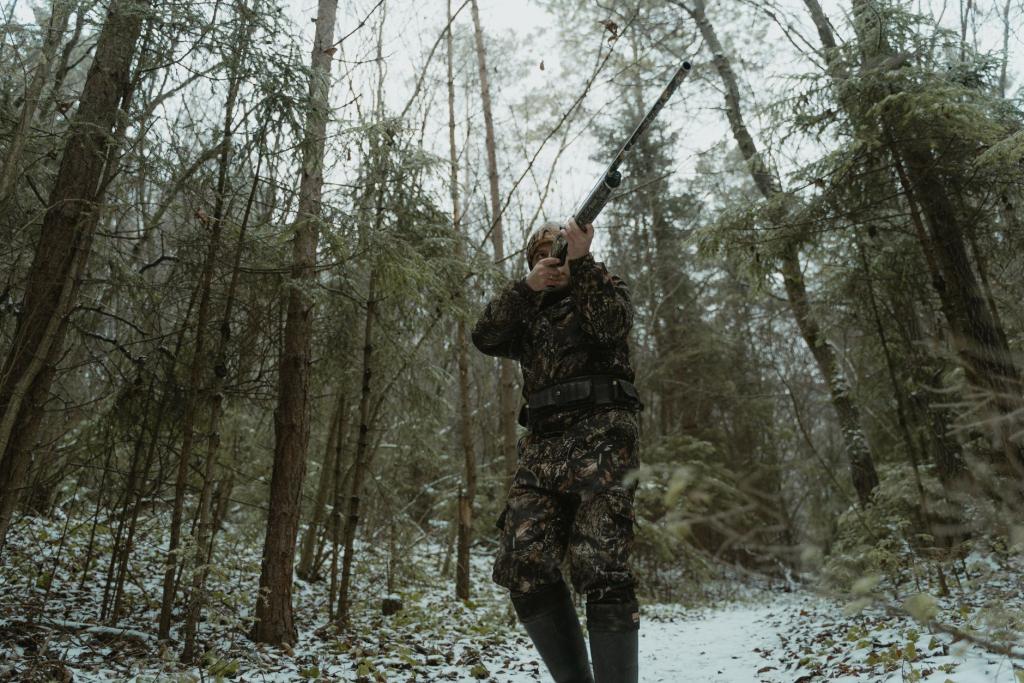
The Siberian bear attacks have turned a quiet taiga settlement into a place where people are afraid to take an evening walk. According to Reuters, hunters near the village of Podtesovo have declared open season on brown bears after a spate of deadly encounters, and the problem reaches far beyond one village.
A village living in fear
Reuters reports that hunter Mikhail Kondakov and others began hunting bears at the request of residents after a fatal attack on local women. "The bear situation in the settlement is very difficult at the moment," Kondakov told Reuters. He said bears have increasingly been coming directly into the settlement.
Podtesovo is home to around thirty-five hundred people on the right bank of the River Yenisei. Pensioner Zoya Gubanova, sixty-seven, was killed on August thirty-first while gathering mushrooms, a popular Russian pastime. Two women who went mushroom picking were killed by what Kondakov called a man-eating bear.
Resident Yulia Markova described life since then. "We have been living in fear for almost two months now, we cannot even go out for a walk in the evening," she told Reuters. Another local, Valeriya Efremova, said bears had even come into the park where children play.
The national numbers
The Russian government said last month it was drawing up urgent measures to control a brown bear population that has spiralled out of control in some regions, according to Reuters. State media say at least twenty-two people have been killed in attacks since spring.
Government data cited by Reuters shows the brown bear population has more than doubled in three decades to three hundred eight thousand, partly because of shorter and milder winters. In Krasnoyarsk, the Siberian region where Kondakov hunts, there are nearly twenty-seven thousand bears.
Criminal case and why bears came closer
Investigators in Krasnoyarsk said last month they had opened a criminal case into the local environment ministry. They accuse it of failing to keep bear numbers under control, negligence they say led to the deaths of seven people in September alone, per Reuters.
Experts cited in Russian media say an early, dry spring left too few berries, forcing bears to roam further for food. People are also blamed for leaving food waste in the open and ignoring safety rules. In other words, this is partly a climate story and partly a trash story.
What happens when winter hits
Locals are waiting for colder weather to push the animals into hibernation, but not everyone is reassured. Nikolai Zhilinsky told Reuters that he is not sure all of the bears will hibernate, because there are too many of them and they are hungry.
Others fear being attacked in their own gardens. Vladimir Vagin pointed to a spot near a raspberry bush where he believed a bear had been, and said that after dark the streets are empty because people are afraid.
Residents also admit their feelings have shifted. Markova said people initially felt sorry for the bears because they clearly lacked nuts and berries, but hearts hardened once the animals started arriving in large numbers.
Safety lessons for anyone near bear country
Wildlife experts generally agree that hungry bears lose their fear of people when food is easy to reach. That means sealing garbage, keeping compost covered and never leaving fish, fruit or scraps outside overnight. Those same habits matter in Canada, where black and grizzly bears raid towns every fall as they bulk up before winter.
Foragers like the mushroom pickers in this story face a particular risk, because they walk quietly through dense woods with their heads down. Making noise, travelling in groups and staying alert in thick brush are the standard advice, and they matter most in years when natural food is scarce.
Hunting alone rarely solves the underlying problem. Population control can reduce encounters in the short term, but if the berry crop fails again or food waste keeps piling up, new bears simply move in. That is why many ecologists push for a mix of managed hunts, tighter waste rules and better habitat monitoring.
The bigger takeaway
The story shows how wildlife management, warmer winters and human habits can collide. A growing predator population, fewer natural food sources and open garbage is a recipe for conflict anywhere, not just Siberia. Follow more global stories on our world coverage and see Reuters world news for updates.
Watch for what Moscow announces next. Officials have promised urgent measures, and the Siberian bear attacks will test whether regional hunts, stricter food-waste rules or a new population target can calm a frightened community before the next spring.
Comments 0
No comments yet. Be the first to share your thoughts!
Leave a comment
Share your thoughts. Your email will not be published.