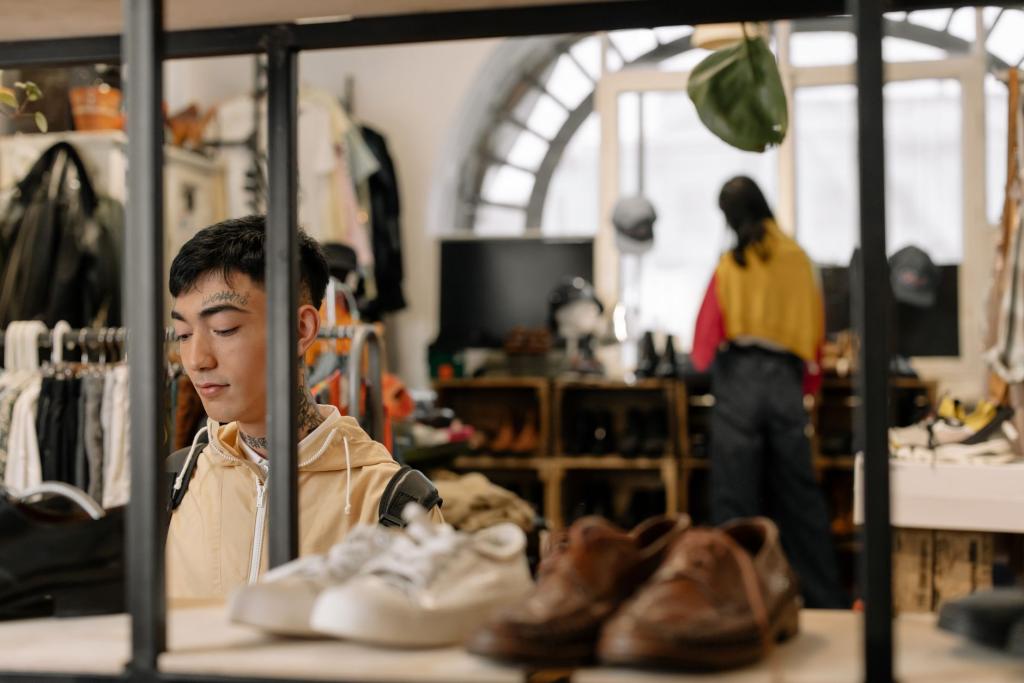
Secondhand Shopping has quietly become the default way young Americans buy. Two major reports released this month found that buying used is no longer a niche habit for bargain hunters. It is how most people shop now, and Gen Z is pushing the trend faster than anyone else.
The first report comes from the Consumer Collective, a consumer insights and advisory firm. Its "Second Nature" study of American shoppers found that roughly three in four Americans bought something secondhand in the past year. Nearly nine in ten have done so at some point, according to the firm's announcement, carried by PR Newswire. More than two in five shoppers say they now buy more used goods than they did two years ago. Among Gen Z, that share rises to two in three.
The second report comes from eBay, whose annual research surveyed more than ten thousand shoppers and over seventeen hundred sellers across several markets. For Gen Z, buying used can be a weekly habit: close to half of shoppers aged eighteen to twenty-nine buy secondhand every week or every other week. More than half of that youngest cohort expects to buy even more used goods next year, according to the company's published findings.
Taken together, the two studies describe a market crossing a threshold. Buying used has moved from a fallback for tight months to a standing line item in the household budget — a shift with real weight as the holiday shopping season approaches.
The budget math behind the shift
The engine is straightforward: money. Seven in ten shoppers in the marketplace's survey said buying secondhand is important for managing their household expenses, and that figure climbs to more than three in four among Gen Z. Saving money remains the single biggest driver of the trend, ranked among the top three reasons by more than four in five respondents.
That pressure is reshaping bigger purchases too. About half of Americans already buy luxury items secondhand or would consider doing so. Once shoppers who are still undecided are counted, the share rises to four in five, the firm found. Among Gen Z, three in five already buy used luxury or would consider it, compared with just over a quarter of Americans aged sixty-two and older. Condition and authenticity top the list of worries, but the stigma that once clung to pre-owned designer goods is fading fast.
"Enthusiasm around secondhand shopping started in clothes, but is spreading to more categories," said Allison Collins, a co-founder of the research firm, in remarks reported by Chain Store Age. "Brands that treat resale as a side market are missing where their customers already shop."
The budget-first mindset is showing up across 2026 spending. Shoppers are cutting subscriptions they no longer use, and young graduates are rewriting their career plans around a tougher job market — and the thrift habit fits the same pattern: spend less, waste less, keep more.
What comes next: a secondhand holiday season
Clothing remains the entry point — most shoppers' first used purchase is apparel — but the next wave is broader. Shoppers told the research firm they plan to expand into furniture, electronics and books over the coming year. Despite the rise of resale apps, just over half of consumers still prefer buying secondhand in a physical store. Fewer than one in five prefer buying online, and more than a quarter like both equally. Those who shop both ways spend the most, with about one in three spending five hundred dollars or more on used goods in the past year.
The rise of Secondhand Shopping as a default also changes who supplies the goods. Most sellers on the marketplace said they source their inventory from their own belongings, with friends and family clearing out closets as the next-biggest source — a sign that resale is becoming a two-way habit: buy used, then sell what you no longer need.
A note of caution comes with the numbers. The marketplace changed its survey methodology this year — last year's research included people who had bought or sold secondhand, while this year's covered buyers only — so the year-over-year jumps should not be read as a perfectly clean comparison, according to an analysis by Value Added Resource. The direction of travel is clear either way; the exact speed is harder to pin down.
For readers, the takeaway is practical. With the holidays approaching, the Secondhand Shopping habit may be the smartest strategy in 2026 — not hunting for the deepest discount on something new, but buying it used first. The stigma is gone, the selection has never been wider, and your budget will notice the difference.
Comments 0
No comments yet. Be the first to share your thoughts!
Leave a comment
Share your thoughts. Your email will not be published.