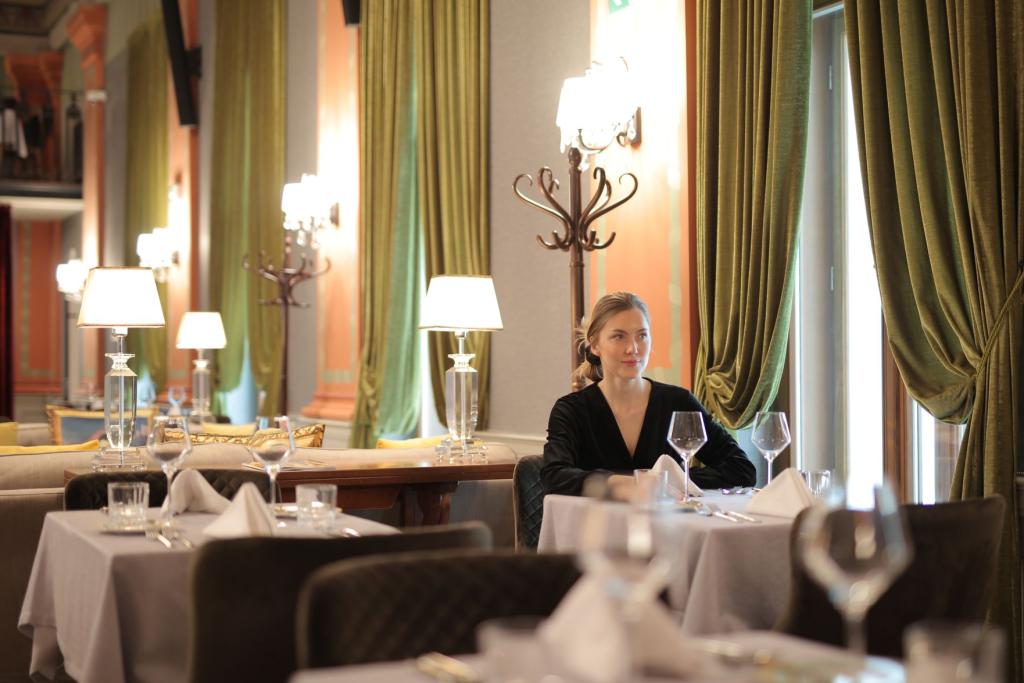
More than one in three shoppers is solo — but Brands Still Sell to Couples. A new consumer study finds single life is now a mainstream, often permanent way of living, while products, pricing, and advertising remain designed around pairs.
The Solo study from The Research Agency, published this month, combined cultural research and expert interviews with a survey of two thousand and six adults across Australia and Aotearoa New Zealand, including roughly seven hundred solos and twelve hundred partnered people. Thirty-six percent of people are not currently in a relationship, and the pattern skews young: forty-three percent of eighteen-to-thirty-four-year-olds are solo, compared with thirty-five percent of those aged thirty-five to fifty-four and thirty-one percent of people fifty-five and over.
The numbers behind solo life
The findings challenge the idea that being single is just a waiting room. Only six percent of solos are actively looking for a partner, while just over a third actively choose to stay single and want it to remain that way. Solos are more likely than partnered people to describe single life in terms of independence, freedom, and flexibility.
A stubborn perception gap sits underneath those numbers. More than three in five solos believe society sees single people as lonely, yet fewer than half of partnered respondents actually make that link, according to the study's published write-up. The two countries' data also show the trade-offs are real: life satisfaction among solos came in at forty-four percent, versus sixty-six percent for people in relationships, with solos less satisfied about their living arrangements, finances, social lives, work-life balance, mental wellbeing, and sense of connection.
The marketplace is still built for two
That gap between how solos live and how the market treats them is where the study lands its punch. The researchers describe a cumulative cost of a marketplace designed for more than one: solo customers routinely pay more per unit while receiving less consideration. Travel pricing that penalizes one guest in a double room, food formats sized for families, loyalty programs that reward households — the friction adds up.
"Solos are a substantial, diverse consumer group, not a niche audience waiting to become a household of two or more," said Daniel Talbot, the agency's group business director and innovation lead. A twenty-five-year-old living with parents, a single parent, and a sixty-year-old living on their own face very different barriers, he said, and brands need to find where their own category creates friction for each type of solo customer — then fix it through product design, pricing, and experience rather than simply casting one person in an ad.
"Representation matters, but the bigger opportunity for brands is to examine the assumptions built into the whole customer experience," said Laura Mulcahy, the agency's head of cultural practice. "Brands can show Solo people buying homes, travelling, celebrating milestones and making progress without presenting partnership as the end goal."
What a solo-first economy could look like
The pressures land differently by life stage. Among younger solos, nearly half have never been in a relationship and two in five live with their parents. Those aged thirty-five to fifty-four reported the lowest life satisfaction of any solo group, at thirty-eight percent, and felt the most pressure from household bills. Older solos look more settled — nearly three in five choose to be single and more than three-quarters live alone — yet remain underserved by a market where Brands Still Sell to Couples by default.
The study's recommendations read like a product roadmap. Food and household brands can build single-sized formats that cut waste. Travel and hospitality businesses can drop pricing models that punish individuals. Financial services and housing providers can help people make major decisions independently, and platforms can create routes to friendship and community that are not built around dating. The through line, according to the researchers, is connection, freedom, and progress — the needs that cut across solo lives regardless of age.
For more on how young consumers are reshaping the market, see Secondhand Shopping Is Gen Z's New First Choice, Borrow Now, Buy Later: Gen Z Investing Gets Messy, and Gen Z and Millennials Are Saving Harder Ahead of the Budget.
Comments 0
No comments yet. Be the first to share your thoughts!
Leave a comment
Share your thoughts. Your email will not be published.