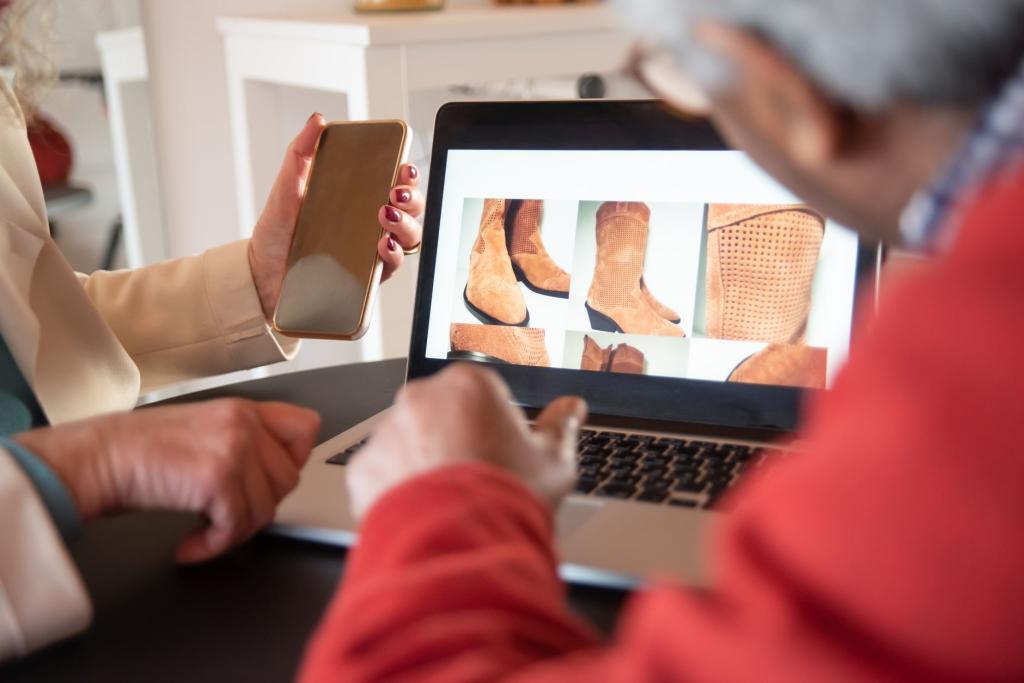
Shoppers have drawn a hard line on artificial intelligence: they are happy to let AI That Shops find them a better deal, but they do not want AI doing the selling. A new global survey of four thousand adults across the United States, Britain, and Australia found that nearly half have felt duped by products advertised with AI — and a majority no longer trust that what they see in an AI-generated ad matches what will show up at their door.
The research, commissioned by the human-insights company Auros and carried out by the polling firm Talker Research between late August and early September, paints a picture of consumers who encounter AI-made advertising constantly yet trust it less than ever. Forty-seven percent of British respondents said they had felt duped by an AI-advertised product before, alongside 43 percent of Americans and 42 percent of Australians, according to the Business Wire release on the study.
The skepticism runs deeper than a bad experience or two. In all three countries, more than half of respondents said they do not trust products advertised with AI to be described accurately — a figure that reached 59 percent in Australia, 58 percent in Britain, and 53 percent in the United States. Shoppers now question whether an online ad shows a real product or an AI-generated one about four times a week, and nearly half of Americans say they actively seek out brands that do not use AI in their advertising at all.
Some of the distrust is earned, and some of it is misfiring. When the researchers tested people's ability to tell real ads from fake ones, the results were humbling. Asked to identify genuine product photos, about half got it right — but nearly a third mistook real items for AI fabrications. Shown fully fabricated products, only 42 percent correctly spotted the fake, while a third believed the fantasy product was real. AI-enhanced versions of real products caused the most confusion of all: just one in five viewers correctly identified them, while the rest split between calling them pure AI or fully authentic.
The Divide: Persuade Versus Assist
The most revealing finding is not the distrust itself but where it stops. The same shoppers who recoil at AI-generated ads are perfectly comfortable putting AI to work for themselves. A little over half of American respondents said AI has already helped them shop — finding better prices, comparing products, cutting through the noise — and a similar share plan to use AI tools for at least part of their holiday shopping this year. The technology is welcome as an assistant and resented as a salesperson.
Bobby Meixner, the vice president of marketing at Auros, framed the split as a question of control. "Consumers are skeptical when AI is being used to persuade them, but much more receptive when they're the ones using AI to make a better decision," he said in the announcement. "People aren't necessarily rejecting AI in shopping. They're rejecting the feeling that AI is being used on them rather than for them."
That distinction is already reshaping how marketers think about disclosure. Brands can now generate a full thirty-second video spot in a single pass, and new tools arriving this month make AI-made creative accessible to ever-smaller teams, according to industry coverage of this week's launches. Yet with 44 percent of American shoppers saying they avoid brands that use AI in ads, the economics of cheap AI creative suddenly look complicated. An ad that costs almost nothing to make but drives customers away is no bargain.
Who Shoppers Think Is Faking It
The blame is not spread evenly. Clothing and beauty brands top the list of suspected offenders, each named by 16 percent of American respondents, followed by electronics at 14 percent, with luxury goods and food brands trailing at 11 percent each. When asked which companies they believe are most likely to use AI marketing on products, shoppers named Walmart first at 27 percent and Amazon at 26 percent, with social platforms — TikTok, Instagram, and Facebook — close behind at 24 percent.
Some of that suspicion reflects how these categories actually advertise. Fashion and beauty sell aspiration as much as product, and AI makes aspiration cheap to manufacture: the perfect lighting, the flawless model, the fabric that drapes just so. When the product arrives and the drape is ordinary, the gap between the generated fantasy and the delivered reality is exactly what makes shoppers feel duped. Electronics and luxury face the same problem at higher price points, where the stakes of disappointment are steeper.
The findings land in a year when Gen Z's relationship with AI has been pulling in both directions at once. A separate recent survey found that a third of young adults built something with AI in the past year — more than the share who put up a shelf — as reported here this week. Workers are simultaneously adopting AI agents at record speed and spending hours each week double-checking their output, a pattern one workplace study dubbed a distrust tax, covered in this newsroom. The Auros results fit the same pattern: enthusiasm for the tool, suspicion of the person — or company — wielding it.
There is also a warning in the data for the coming holiday season. With a majority of shoppers planning to use AI themselves to hunt for deals while distrusting AI-made ads, retailers face a lopsided arms race: consumers will use the technology to see through inflated claims while brands that lean on it to make those claims risk being punished. The smartest play, the survey suggests, is transparency — using AI to help shoppers decide, not to decide for them.
For now, the rule shoppers seem to be writing is simple. AI That Shops for you is a helper; AI that sells to you is a suspect. Brands that blur the line may find that the cheapest ads they ever made turn out to be the most expensive.
Comments 0
No comments yet. Be the first to share your thoughts!
Leave a comment
Share your thoughts. Your email will not be published.