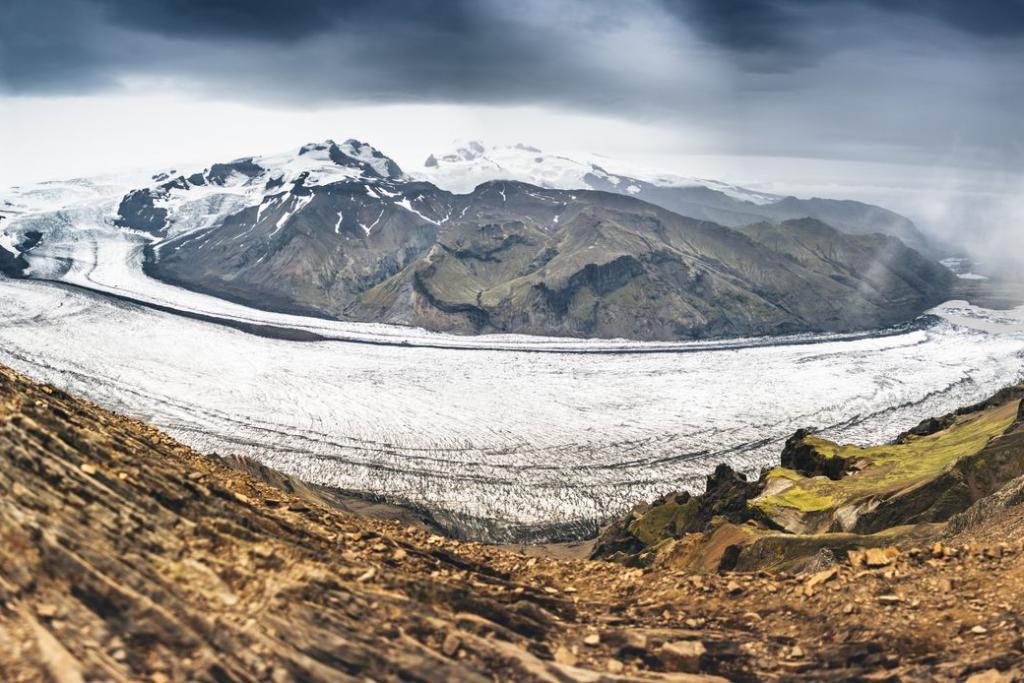
High in Norway's Jotunheimen mountains, the melting ice has begun to give up its oldest secrets. Archaeologists with the Glacial Archaeology Programme in Innlandet, better known as Secrets of the Ice, have just returned from three intensive weeks in the high mountains with 48 prehistoric arrows pulled from retreating ice. The standout find is a finely worked slate ice arrow believed to be about five thousand years old, spotted among gravel and pebbles resting on a large boulder at the Langfonne ice patch. According to HeritageDaily, two fragments of the point's original wooden shaft survived alongside it, and traces of the bindings and birch bark tar that fastened the stone to its shaft are still intact. For the researchers on the ice, this ice arrow is proof of a new pattern: the oldest ice in the mountains is now the ice that is disappearing.
The season was always going to be a big one. This year marks the twentieth anniversary of glacial archaeology in Innlandet, where archaeologists have spent two decades surveying melting ice patches for traces of ancient human life. Over that time, the team has recovered more than one hundred arrowheads and arrow shafts from a single ice patch alone. HeritageDaily reports that many of this season's finds are more than two thousand years old while the earliest date back more than six thousand years, spanning both the Stone Age and the Bronze Age. The ice works as a freezer: the preservation conditions have meant that organic material such as wood, leather and textiles have survived for millennia, which is why a single melting ice arrow can carry so much information about prehistoric hunting.
A five-thousand-year hunting kit
The slate ice arrow at Langfonne is the kind of find archaeologists wait years for. By comparing it with previously discovered arrows, the researchers estimate that it dates to between five and six thousand years ago, ScienceNorway reports. The stone is finely worked, the craftsmanship visibly careful, and the survival of the shaft fragments alongside the bindings is rare even by the standards of glacial archaeology. Espen Finstad, who leads Secrets of the Ice, put the scale of the season plainly: "This year, we found 48 prehistoric arrows. That's a lot." The programme's blog notes that reindeer can still be seen on the ice patch in the background of the field photos, which fits the picture of the place: over twenty years of work, the team has found extensive evidence of reindeer and reindeer hunting in these mountains.
The ice arrows also tell a story in materials. The oldest arrowheads in the programme's collection are made from slate, freshwater mussel shells and bone. The more recent ones are iron, and they are "only" between one thousand and fifteen hundred years old. That range is a reminder of how deep the timeline runs here. Earlier field seasons also turned up clothing, shoes, dead packhorses and a pair of skis, according to ScienceNorway, so the arrows are one thread in a much wider record of mountain life. The Debrief reports that the latest survey covered the Langfonne, Storfonne and Handklefonne ice patches in the Kvitingskjølen region, and that close to fifty ancient projectiles came out of the ice in total.
The oldest ice is melting first
What has the team talking is the shift in what the ice is giving up. When the work began in 2006, most recovered objects were less than two thousand years old, and Viking Age finds were especially common, according to Archaeology News Online Magazine. Objects older than two thousand years were much less frequent. That pattern has reversed. Researchers now see far more Stone Age and Bronze Age objects emerging from the ice, and the oldest ice is producing some of the oldest archaeological finds. The team reported that large areas of ice have disappeared, that places recently covered by ice are now completely exposed, and that the ice is disappearing much faster than expected. The landscape around the ice patches has changed dramatically.
That speed is also the worry. Once the ancient objects reach the surface, the clock starts: organic materials such as wood, hide, sinew and textiles begin to decay as soon as they leave the ice. The researchers plan detailed analysis of the new finds to determine the manufacturing techniques behind them, and the programme's blog says the team stood at the edge of the ice and watched the change happen, describing themselves as witnesses to a rapidly changing archaeological landscape. The melt is expected to keep exposing older layers, which means the next Stone Age ice arrow may already be lying on the scree, waiting for someone to spot it before the thaw claims it. Every ice arrow that melts out of the Jotunheimen ice is a small archive of a hunt that happened thousands of years ago.
Sources: Secrets of the Ice, ScienceNorway
Comments 0
No comments yet. Be the first to share your thoughts!
Leave a comment
Share your thoughts. Your email will not be published.