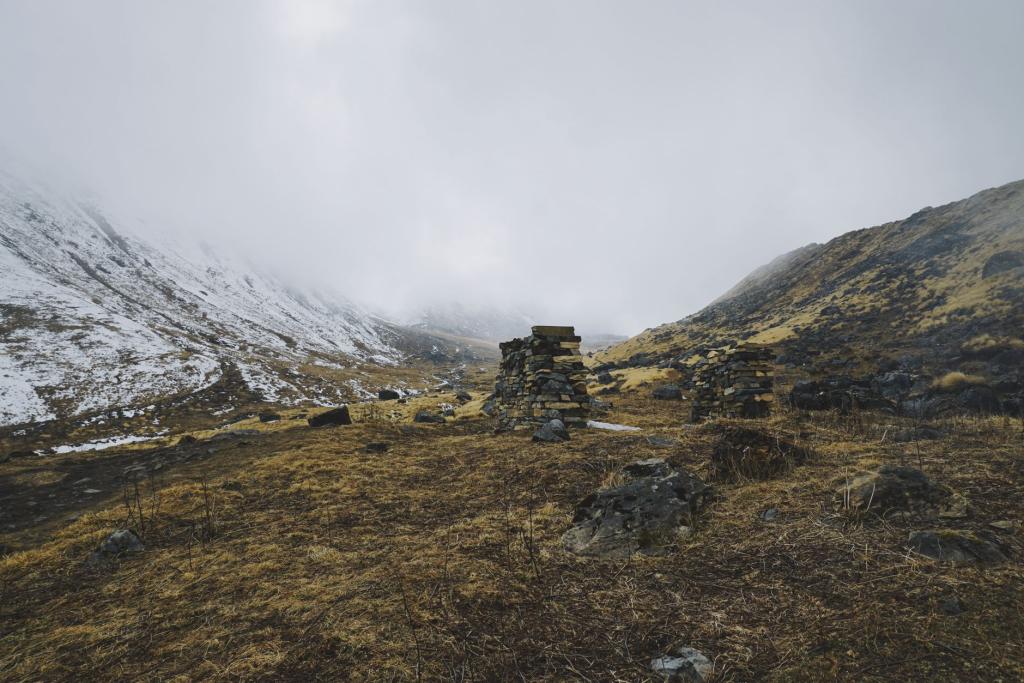
An Ancient Pagan Temple beside a river in southern Bulgaria is reshaping what researchers thought they knew about worship in the region during late antiquity, after a digging season that ended in October brought a rare carved relief and a complete temple layout into view together for the first time. The shrine stands at Balak Dere, near Ivaylovgrad, close to the Arda River, and the team behind the work believes it may be among the last places where Thracian gods were honored in Western Thrace. According to Archaeology Magazine, the season was led by Ivaylo Kanev, chief curator at the National Historical Museum, with full funding from the Ministry of Culture and active support from the local municipality.
The building itself tells much of the story. It runs about fifteen metres from end to end, following a trapezoid plan with its long axis pointing from the southeast toward the northwest. Three rooms stand in a single line and connect through doorways, and each room appears to have had a distinct job. The largest chamber held an altar, the middle room served for sacrifices, and the smallest space stored gifts brought by worshippers. Researchers say no earlier excavation has recorded all the main parts of such a shrine arranged together in a town setting from the Roman period into the following centuries, and that completeness is what gives the discovery its weight.
A marble carving found at the site offers the clearest clue about which gods were honored there. The relief shows the mother goddess Cybele together with a trio of water spirits, a combination the team says it has not seen in any other surviving scene. A water channel runs around the whole building, and the river flows close by, which leads researchers to a working idea that a shrine to the water spirits once stood on the same ground. Further study of the carving and the channel will test that idea, and the team is careful to present it as a hypothesis rather than a settled answer.
A shrine that outlasted a ban
The temple likely began operating in the third century, when the Roman world still made room for many gods side by side. That world changed sharply as Christianity gained ground through the later Roman era, and in 392 the emperor Theodosius the Great made the new faith the only official religion of the empire. Worshippers at this riverside site kept their rites in spite of the ban, according to the excavation team, and officials eventually found out. Around the middle of the following century, fire destroyed the whole complex in what researchers describe as an attempt to wipe out the memory of the great Thracian gods.
That violent ending is part of why the site matters beyond its stones. The layers of burning, the altar, and the offering room together trace a community that held on to older beliefs through years of pressure, rather than abandoning them at the first sign of an official change. Readers who picture ancient religion as a single clean break from one faith to another will find a messier and more human story here, one in which devotion continued quietly, in a particular place, beside a particular river, until it was forcibly ended.
The discovery also fills a gap in how historians picture religious buildings in this part of the ancient world. Earlier work at the site had already pointed to a major spiritual center on the river, but the latest season showed daily life organized around the whole complex, not just a single altar or a stray carving. That matters because temples were not only places of prayer; they were places where people gathered, gave gifts, shared meals, and marked the seasons. A full ground plan lets researchers reconstruct movement through the rooms, from the offering space to the place of sacrifice, in a way that a single wall or fragment never could.
Why a riverside shrine still matters
For modern visitors, the appeal is less about any single artifact than about the survival story the site preserves. Bulgaria's southern borderlands are rich in Thracian remains, from tombs to sanctuaries, yet few places show the final chapter of that tradition so plainly. The shrine at Balak Dere stands as evidence that older gods were not simply forgotten when an empire changed its mind; they were defended, hidden in plain sight, and remembered by a community until fire took the building itself.
There is also a practical lesson for archaeology. The project shows what patient, repeated digging can achieve: research at this ground has gone on for years, and each season has added a piece that earlier seasons could not explain alone. The relief gave the gods their names, the channel pointed to water rituals, and the room plan showed how the community used the space. None of those clues would carry the same weight on its own, and together they turn a scatter of stones into a place with a past.
Work at the site is not finished. The team still needs to pin down the final years of the shrine with greater precision, and further study of the relief may clarify how the mother goddess and the water spirits were worshipped side by side. What is already clear, though, is that this Ancient Pagan Temple adds a vivid chapter to the history of belief in southeastern Europe, and it gives the region one more reason for travelers and students of the ancient world to look beyond the famous cities and toward the quiet river valleys where older faiths held on longest. Related reading on other ancient finds includes a priestess statue that emerged after a long burial, a seagoing fossil that rewrote what early amphibians could do, and new work on whether comets delivered life to early Earth. The full report appears in Archaeology Magazine's account of the relief and a second overview is available from a summary of the temple discovery.
Comments 0
No comments yet. Be the first to share your thoughts!
Leave a comment
Share your thoughts. Your email will not be published.