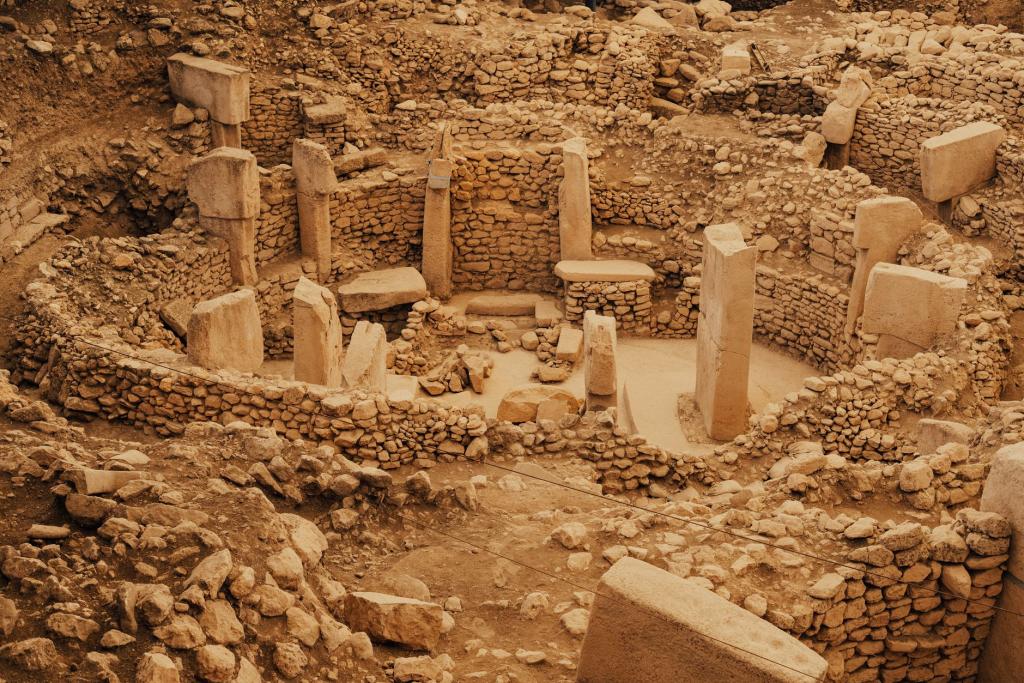
Archaeologists digging at the foot of the Temple Mount have uncovered monumental Jerusalem ritual baths that once purified crowds of pilgrims heading into the Second Temple. The Hebrew University of Jerusalem announced the discovery on September 24, after five seasons of excavation in the Ophel, the ancient slope just south of the Temple Mount in the Old City. The dig was led by professors Uzi Leibner and Orit Peleg-Barkat of the university's Institute of Archaeology, working with the Armstrong Institute of Biblical Archaeology. The team describes the complex as without known parallel.
What the diggers found
At the center sits a large plastered pool from the early first century CE, roughly 12 by 9.5 metres, with steps descending into it on every side. Northwest of the pool stands a finely built ashlar structure holding four rooms, three of them are large public ritual baths, the researchers report. One of those baths survives to its full height, vaulted stone ceiling included, a rarity in Jerusalem for a building this old. A paved plaza and an extensive water system fill out the rest of the site, which covers about 280 square metres.
The plumbing is the real tell. The dimensions indicate large volumes of water passed through the complex, and the excavators think it may have been fed by a permanent running source, possibly a branch of the aqueduct that supplied the Temple itself. The complex came to a violent end in the summer of 70 CE, when Roman forces destroyed Jerusalem and the Temple; dozens of coins from the First Revolt against Rome were found on the floors and in the destruction debris, including a silver half shekel struck in the revolt's third year. And the baths were not the first purification site here: underneath them lie the remains of an even earlier public complex with its own large ritual bath, probably from the first century BCE, showing that pilgrims were getting clean at this spot long before these Jerusalem ritual baths were built.
Built for the festival crowds
The location gives the game away. The complex sits about 50 metres from the Triple Gate, one of the main entrances to the Temple Mount, where streams of pilgrims poured in for Passover, Shavuot and Sukkot. Under Jewish law, visitors had to be in a state of ritual purity before entering the Temple, which they attained by immersing in a mikveh, a ritual bath. Leibner called the complex "a truly unparalleled phenomenon" in an interview with the Times of Israel, describing infrastructure built for mass use around 10 CE, not long after the reign of Herod the Great. Around the baths, he said, ran a whole support economy: walkways, shops, reservoirs, and dozens of smaller ritual baths serving the festival crowds.
Digging the Ophel has been slow, careful work. The excavation ran across multiple seasons inside Jerusalem Walls National Park, with the Hebrew University team working alongside the Armstrong Institute of Biblical Archaeology. The Ophel has been giving up its secrets for years: earlier digs nearby mapped the grand staircase climbing to the Triple Gate, part of the Hulda Gates that served as the main southern entrance to the Temple. This new complex, the excavators say, completes the picture of what that entrance looked like in practice. Not just a doorway, but a managed flow of people being washed, watered, and waved through toward the holiest site in Judaism.
The announcement was timed for Sukkot, one of the pilgrimage festivals the complex once served. The Jerusalem ritual baths join a run of recent discoveries mapping how the gateway to the Temple actually worked, from money-changing stalls to the tunnels and cisterns that managed the water. So far the account comes from the excavation team and the Hebrew University's press release, with the full peer-reviewed report still to come. What is already clear, according to the excavators, is that the Second Temple's holiest approach had something like a public utility for purity, built at a scale rarely seen in the ancient city.
Comments 0
No comments yet. Be the first to share your thoughts!
Leave a comment
Share your thoughts. Your email will not be published.